 |
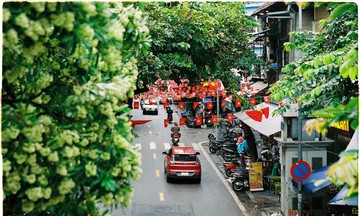
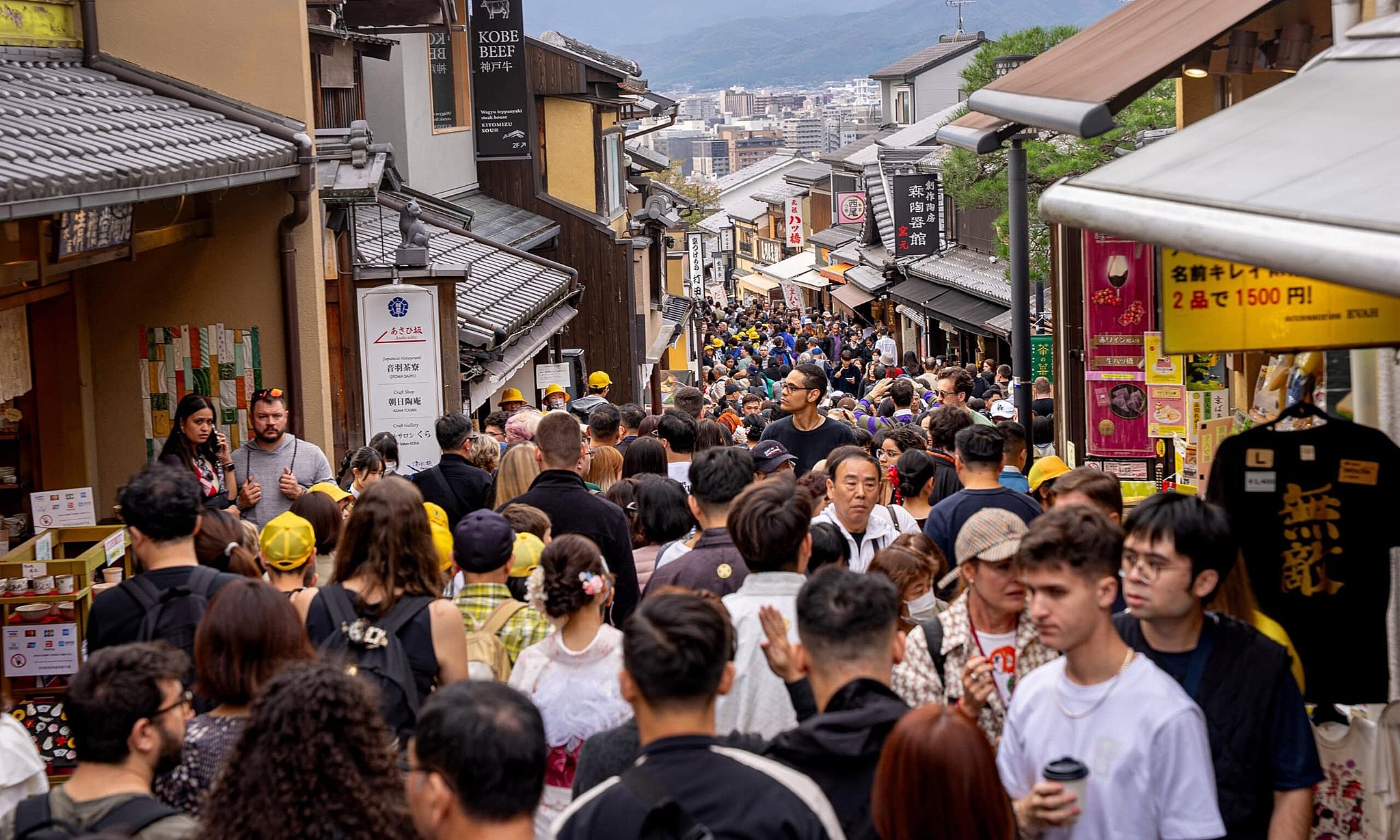
Kyoto stands as one of Japan's premier tourist destinations; however, the actual experience often disappoints visitors due to significant overcrowding. The allure of the ancient capital primarily centers on the streets of Gion, where tourists frequently flock to take photos. Geisha, an iconic symbol of Kyoto, are constantly surrounded, their daily lives impacted by camera lenses.
For a more tranquil experience, consider Kanazawa in Ishikawa prefecture. Historically, Kanazawa rivaled Kyoto and earned the nickname "little Kyoto".
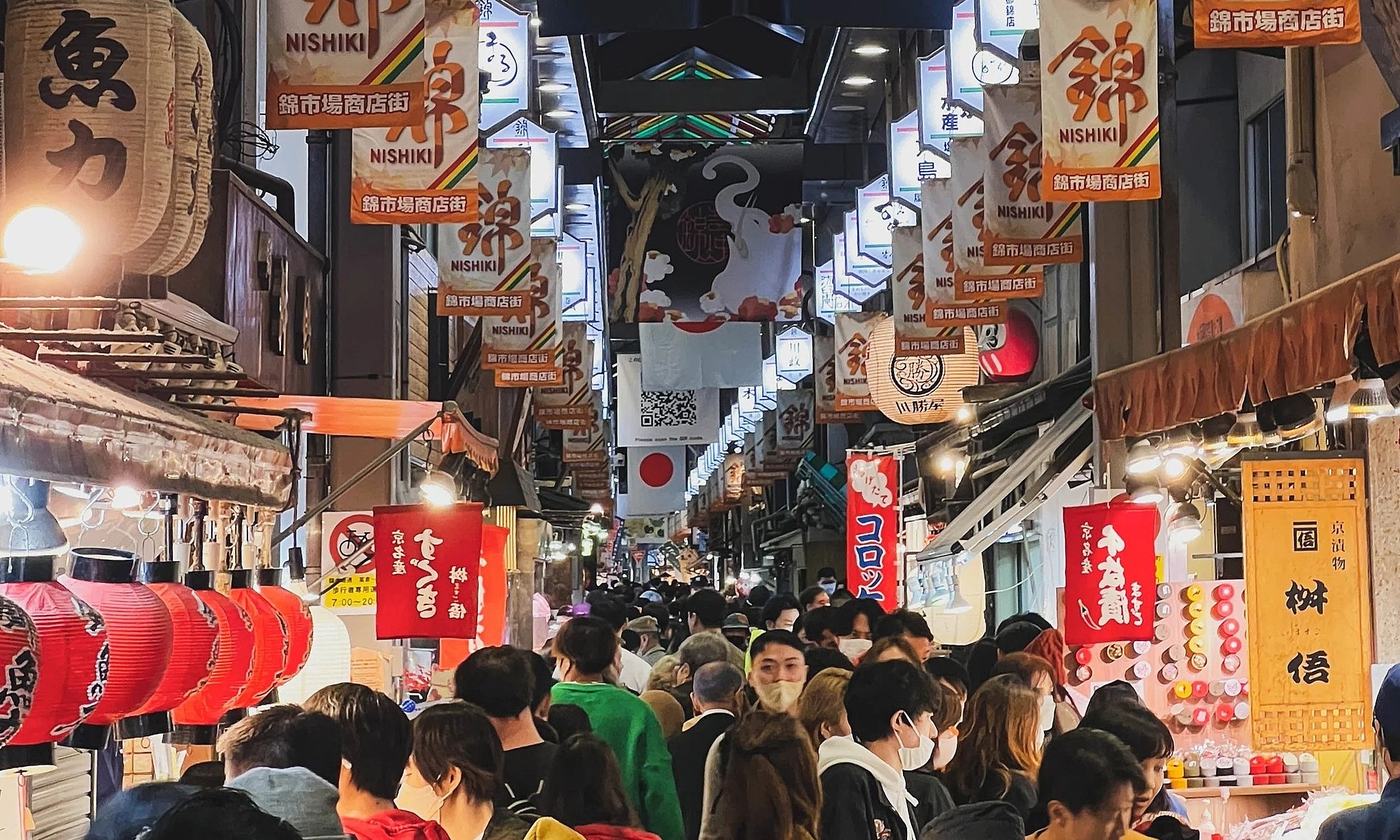 |
Nishiki Market in Kyoto, a renowned food alley, was once a daily shopping spot for locals. Today, Nishiki has transformed into an expensive souvenir market, with stalls catering almost exclusively to tourists. The market's original character is gradually being stifled by the throngs of visitors.
Instead, visitors might explore Tenjinbashisuji in Osaka, Japan's longest covered shopping street, spanning 2,6 km and featuring nearly 600 family-run shops.
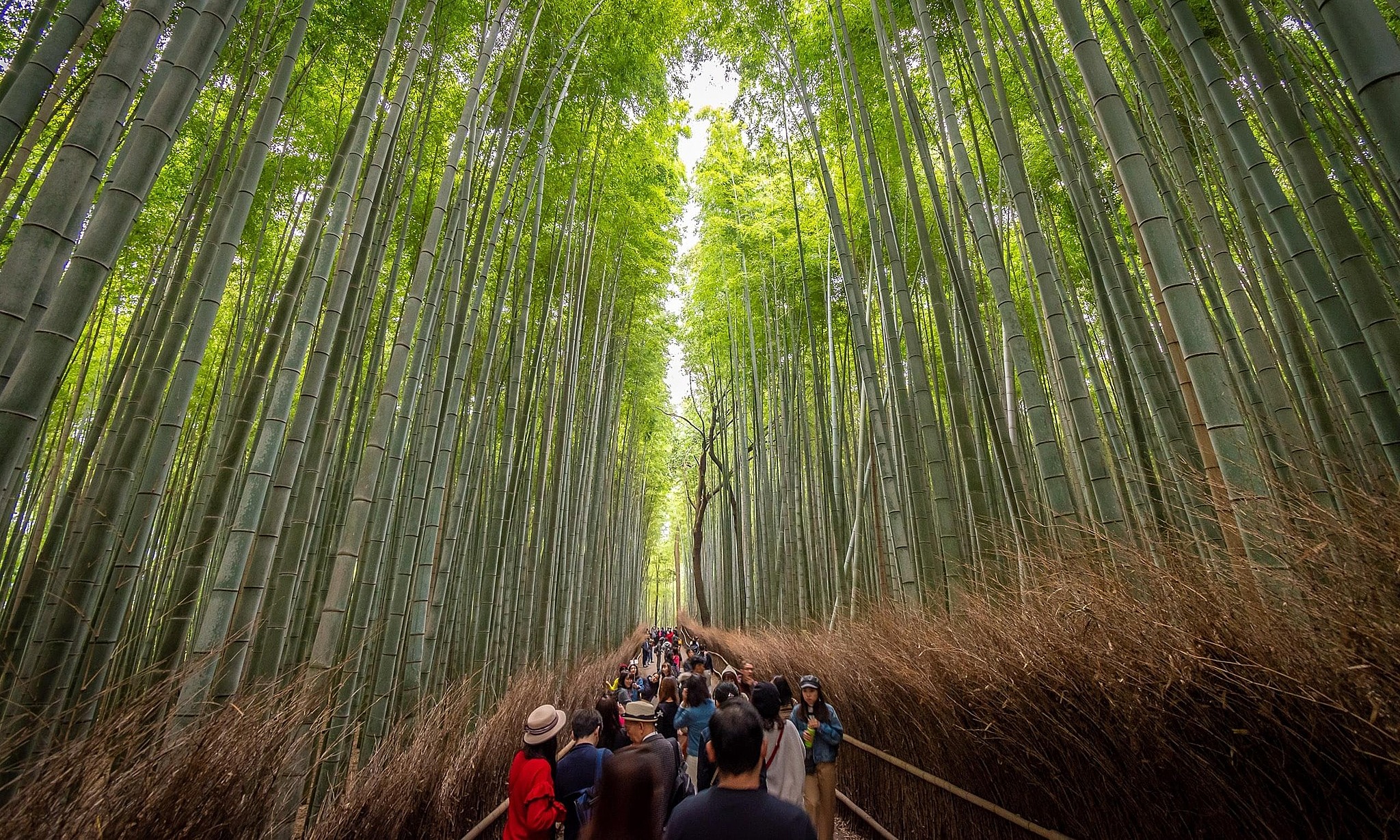 |
Kyoto's Arashiyama Bamboo Forest is famously picturesque, yet its beauty serves more as a backdrop for photos than a place for true enjoyment. Visitors queue for long stretches, jostling for an "iconic" shot. The sounds of birdsong and rustling leaves are often drowned out by camera clicks and chatter.
A serene alternative is Adashino Nenbutsu-ji Temple, just a few minutes' walk from Arashiyama station. A smaller bamboo grove here leads to thousands of stone Buddha statues. Visitors can experience tranquil rustling leaves and sunlight filtering through the bamboo, free from crowds and noise.
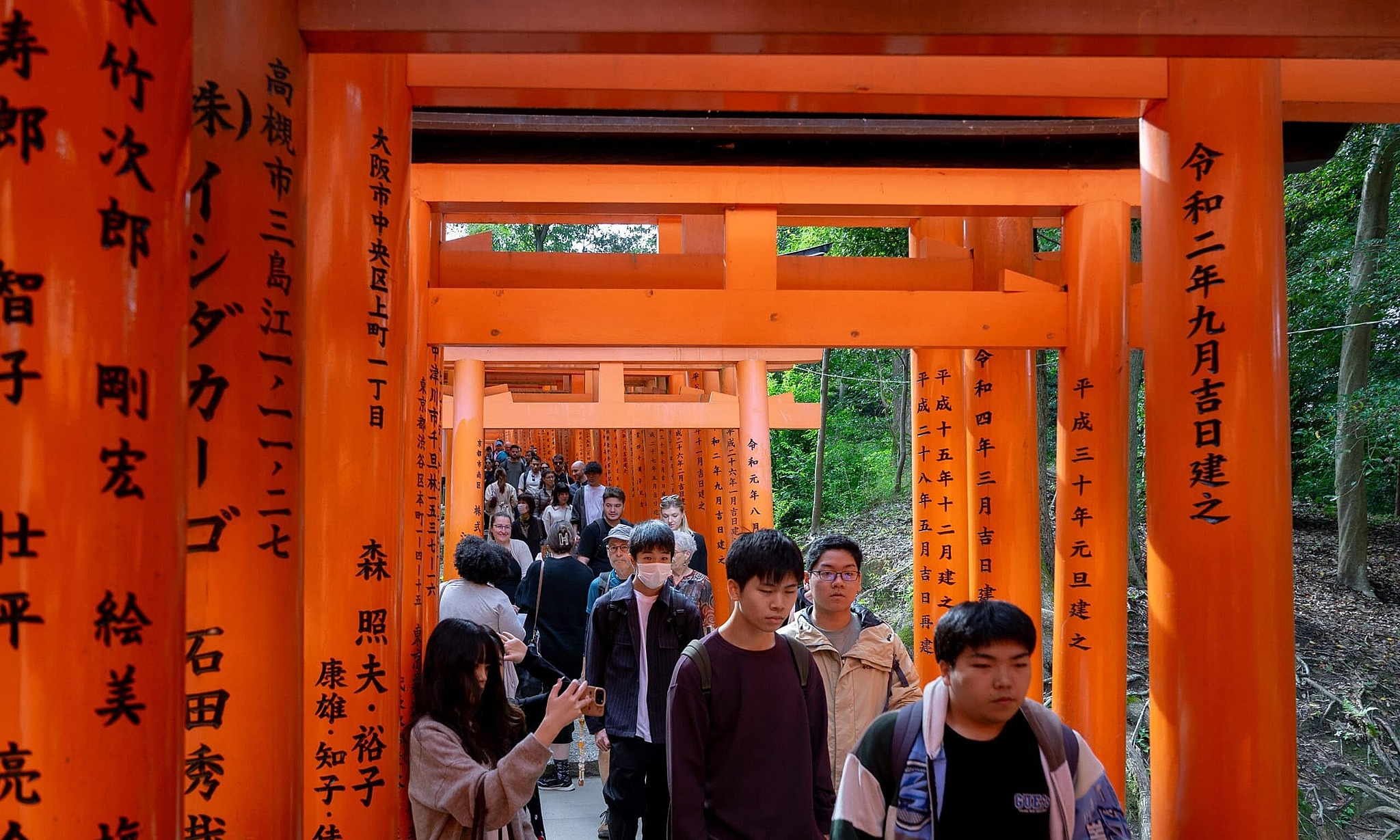 |
Fushimi Inari Shrine in Kyoto features over 10,000 vibrant red torii gates, a powerful symbol of the city. Tourists form long lines, pushing and shoving from early morning to capture photos. It is not a place for a leisurely stroll, but rather one where you are constantly propelled forward by the crowd.
Nezu Shrine in Tokyo offers a better choice for visitors. Located in the quiet Bunkyo district, Nezu Shrine boasts 200 red torii gates that wind gracefully through carp ponds and azalea gardens.
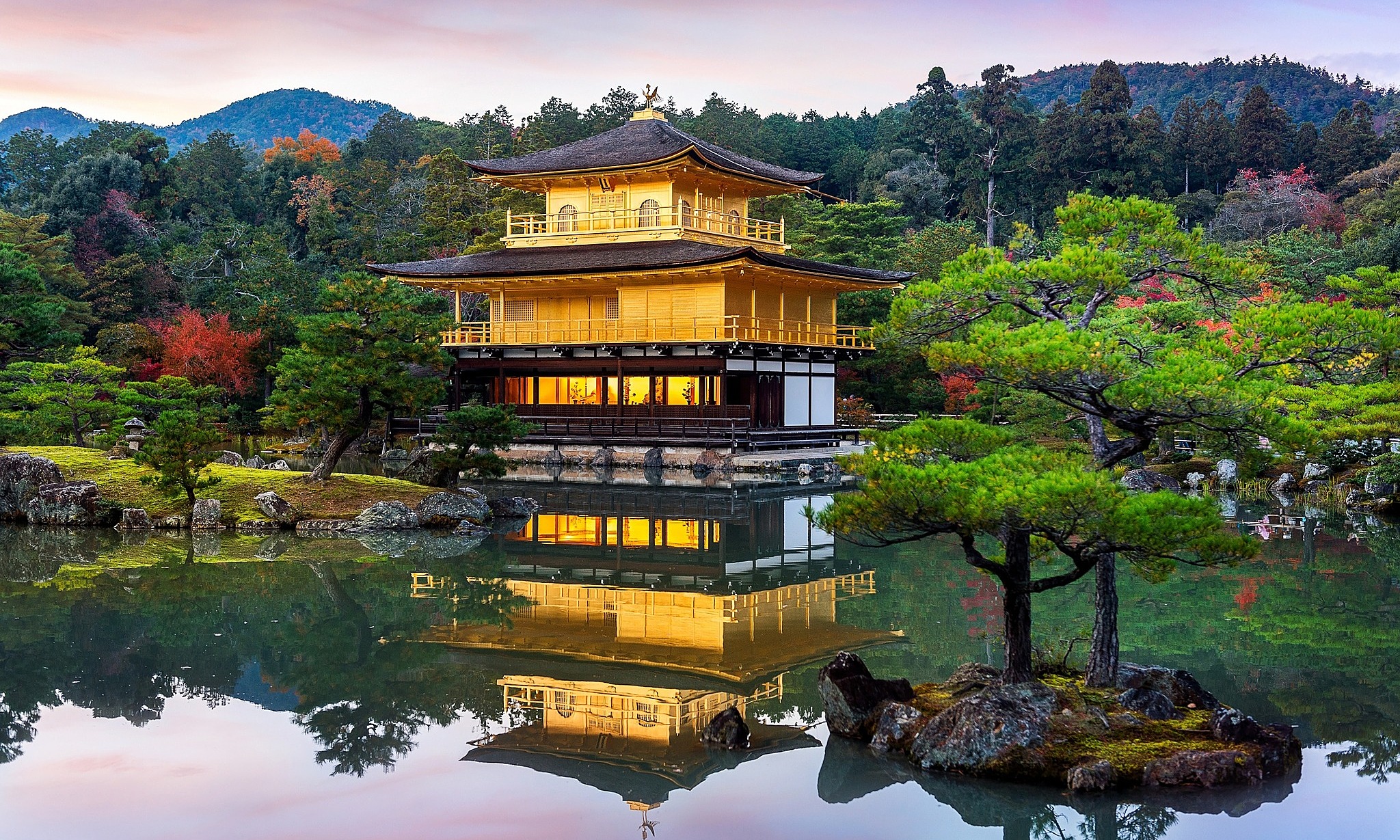 |
Kinkaku-ji, also known as the Golden Pavilion, is another Kyoto destination on this list. Upon purchasing an entrance ticket, visitors join hundreds of others in a circular path to view the golden temple situated amidst a tranquil lake. Many visitors complain about the lengthy queues and the difficulty of taking good photographs.
Visitors might consider Ginkaku-ji, the Silver Pavilion, as an alternative. While it lacks actual silver, Ginkaku-ji is more captivating due to its lush moss gardens and calm reflective ponds.
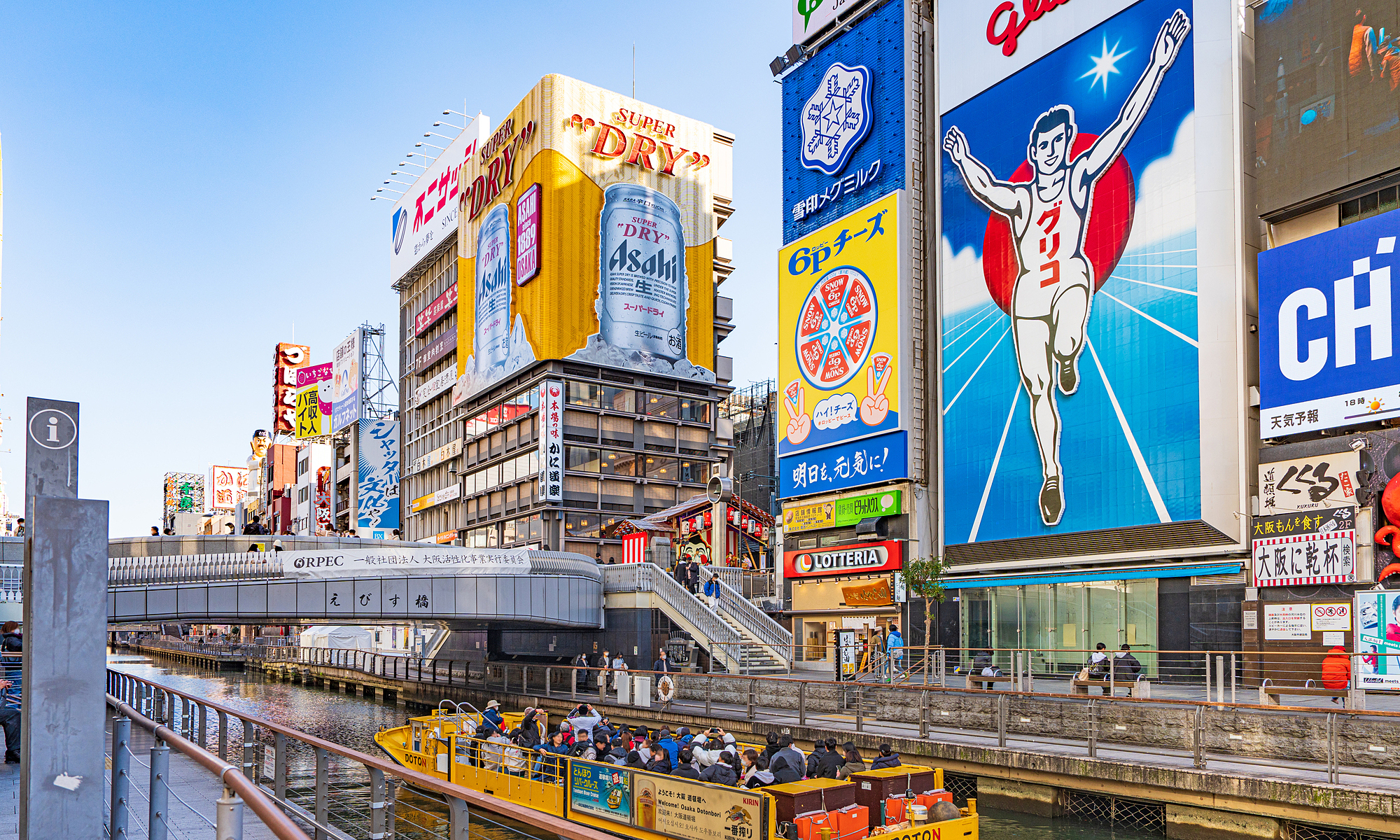 |
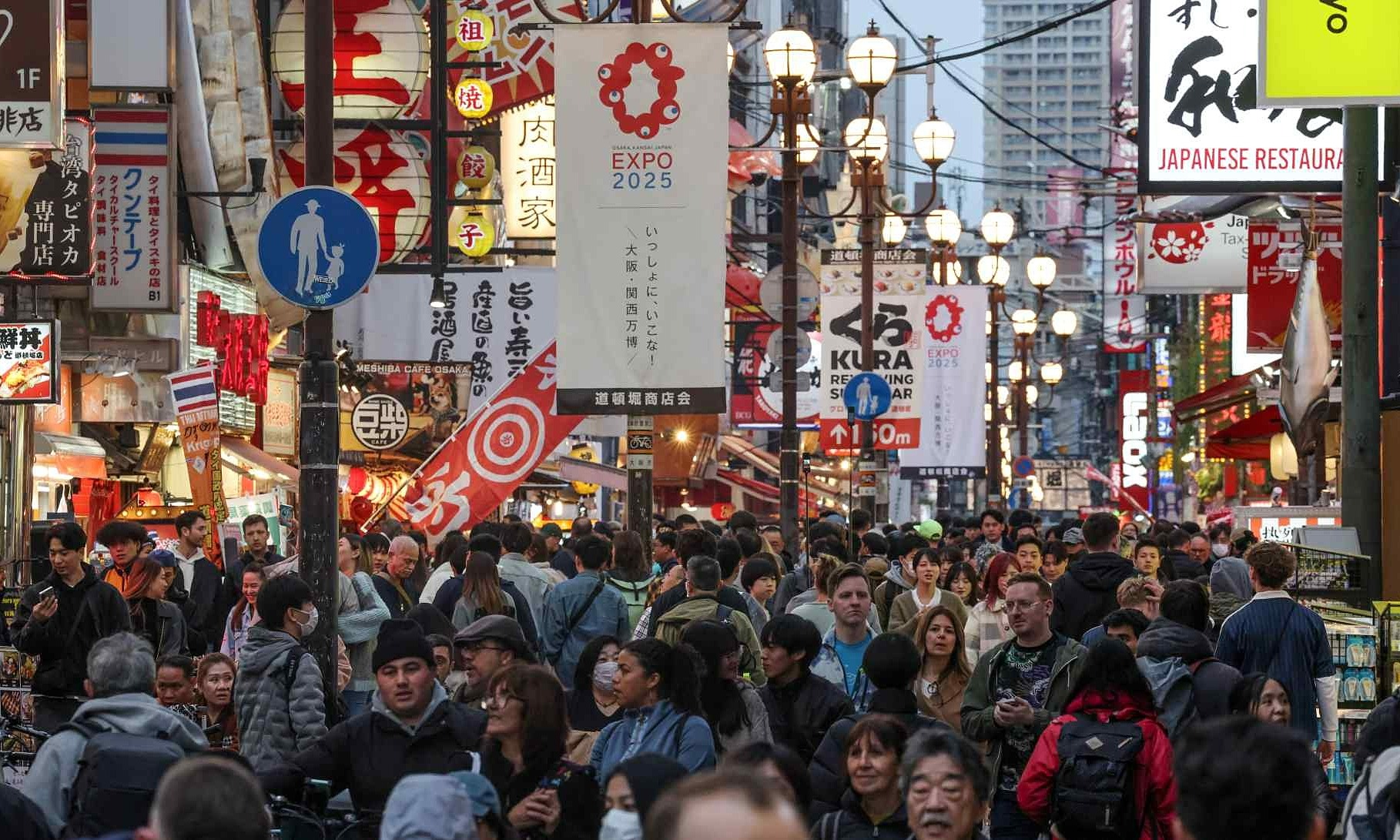
Dotonbori in Osaka is famous for its dazzling neon signs, scenic canal, and the iconic Glico Man billboard, a symbol of Osaka's nightlife. However, the dining experience here can be summarized as "expensive, bland, and tourist-oriented". Chains selling takoyaki, ramen, and sushi display English signs to attract visitors, while locals tend to avoid the area.
Instead of Dotonbori, visitors should explore Ura Namba. Just behind the bright lights of Dotonbori lies a maze of tiny izakayas, skewer shops, and yakitori joints. This is where Osaka locals truly gather after work, enjoying hot food, cold beer, and a warm atmosphere.
 |
Osaka Castle boasts a long history, but the structure visitors currently explore is a concrete reconstruction, housing a modern museum inside. Those seeking an authentic samurai atmosphere will likely be disappointed by the feeling of visiting a replica.
Instead, visitors should travel to Himeji Castle, considered Japan's most beautiful original feudal castle. It features pristine white plaster walls and ancient wooden interiors, entirely free of concrete. This magnificent structure has survived wars and earthquakes, retaining its 17th-century grandeur.
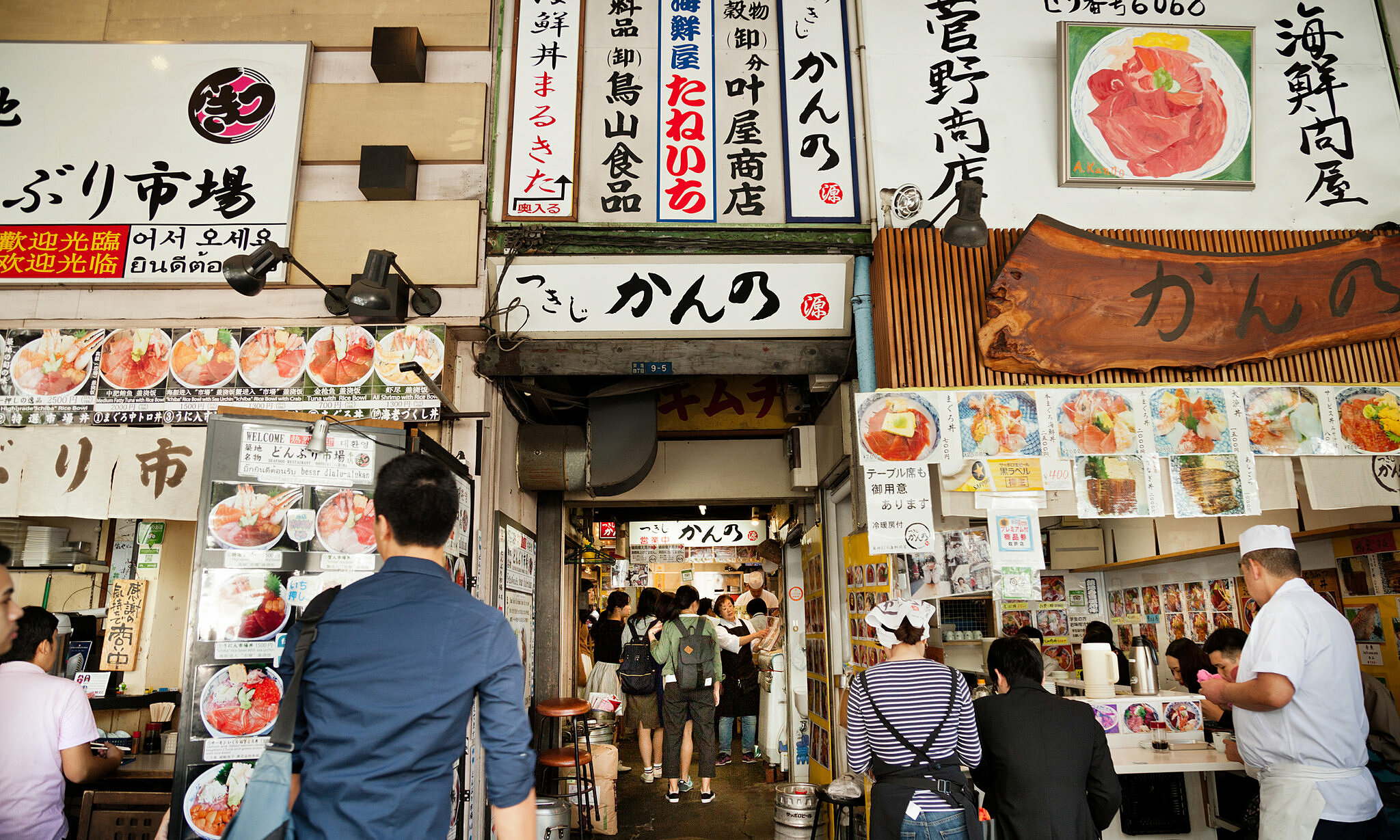 |
Tsukiji Market in Tokyo was once the world's largest fish market, renowned for its tuna auctions. However, since 2018, these auctions have relocated to Toyosu, and Tsukiji now consists primarily of souvenir stalls and snack vendors catering to tourists. Prices here are high, quality is average, and the authentic market atmosphere is gone.
Visitors should instead choose other areas such as Sunamachi Ginza, Togoshi Ginza, Jujo Ginza, or Yanaka Ginza to experience a genuine local market.
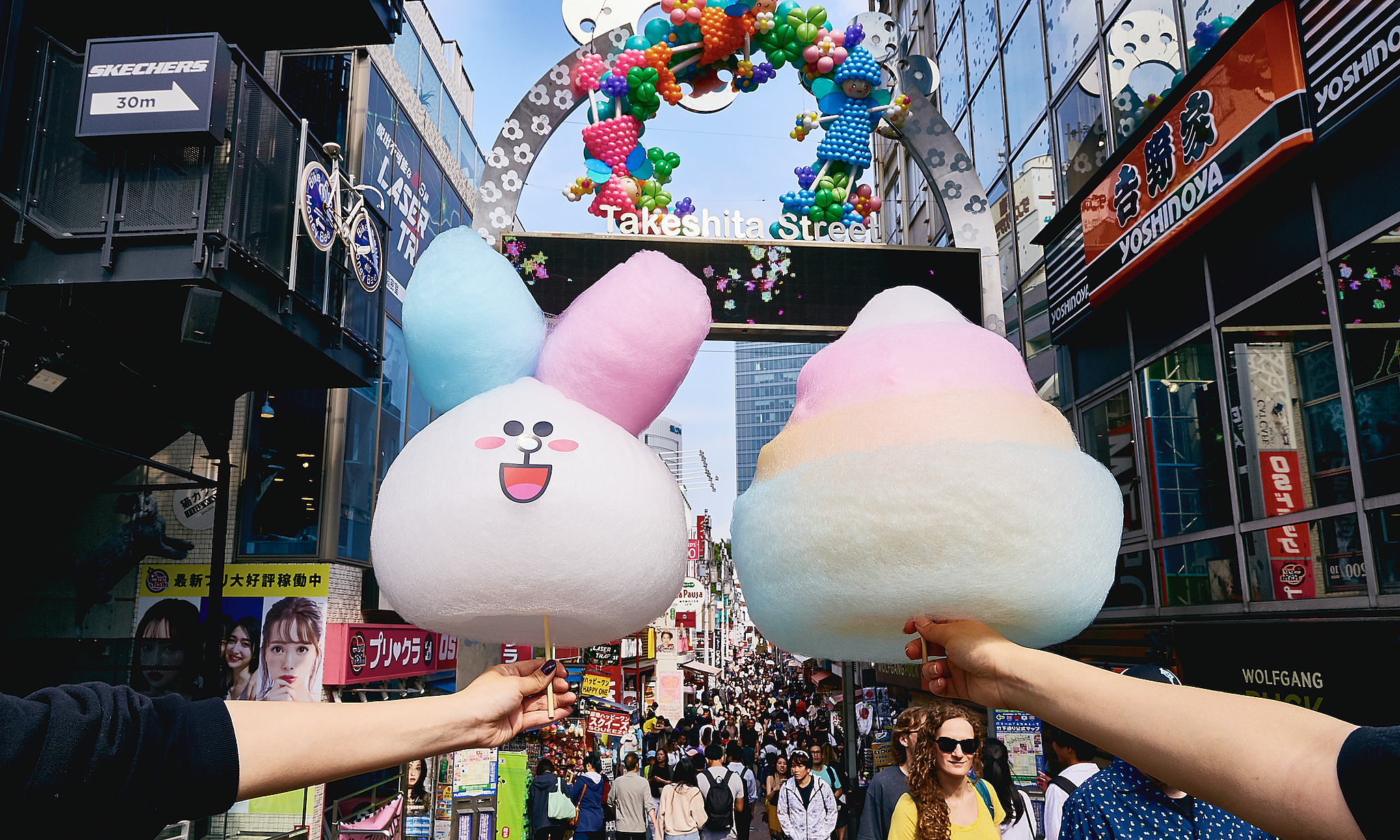 |
Takeshita Street in Harajuku is famous as a symbol of Tokyo's youth culture, known for its colorful festivals, crepes, and souvenirs. However, most items sold here are of low quality, making it a place primarily for a one-time photo opportunity.
Alternative destinations include Cat Street or Ura-Harajuku. Cat Street, the former path of the Shibuya river, is now a haven for street fashion, offering vintage items. Ura-Harajuku, located just behind Takeshita, is a gathering spot for street fashion enthusiasts, featuring many independent and creative brands.
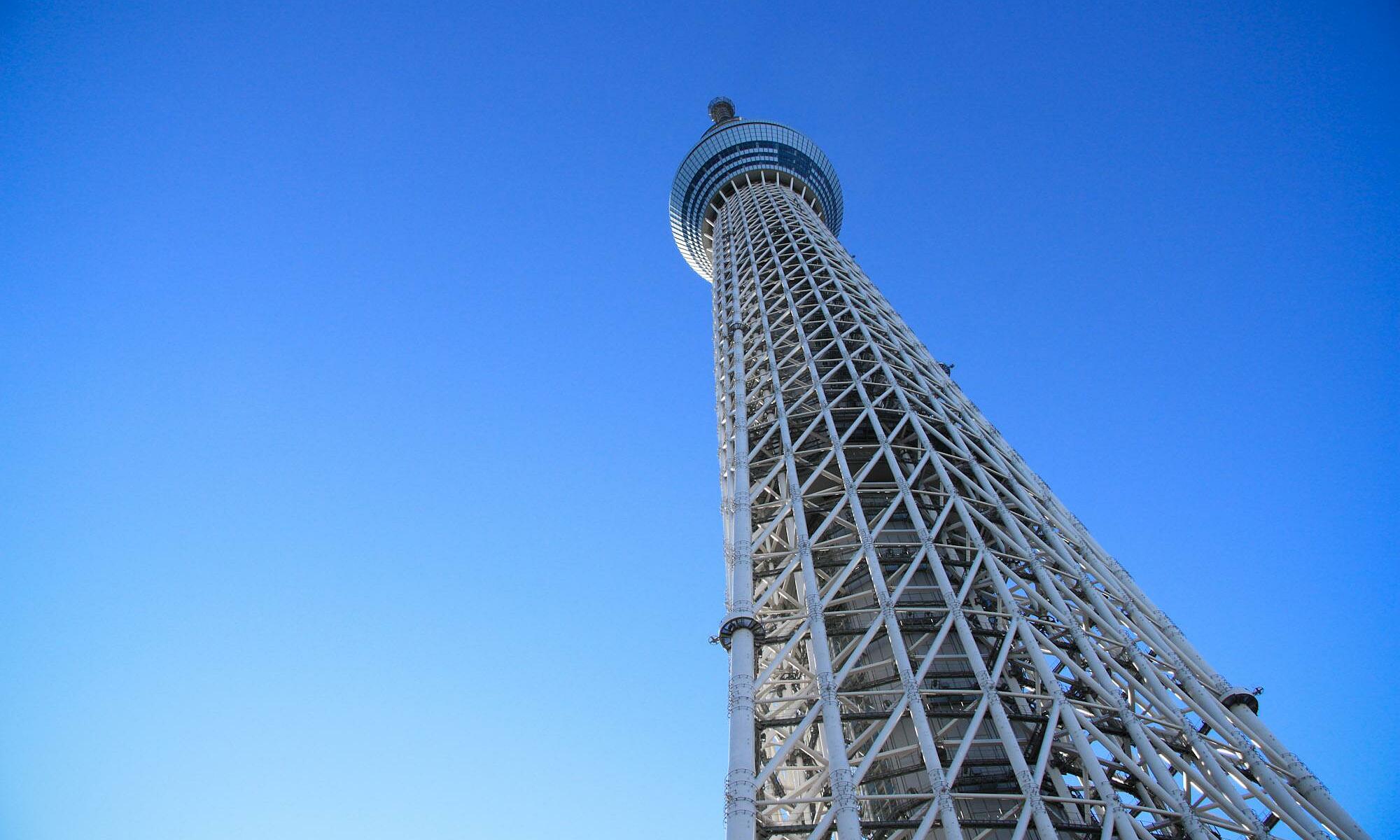 |
Tokyo Skytree and Tokyo Tower are two iconic city towers, but the visitor experience at both is similar: queuing, ascending to an observatory, taking photos, buying souvenirs, and then descending. While costs are high and views are impressive, the experience lacks distinctiveness.
Visitors should instead head to Roppongi Hills, where the Mori Tower's Tokyo City View observatory provides a 360-degree panoramic view of the entire city, encompassing Tokyo Tower below.
Hoai Anh (According to Japan Today)