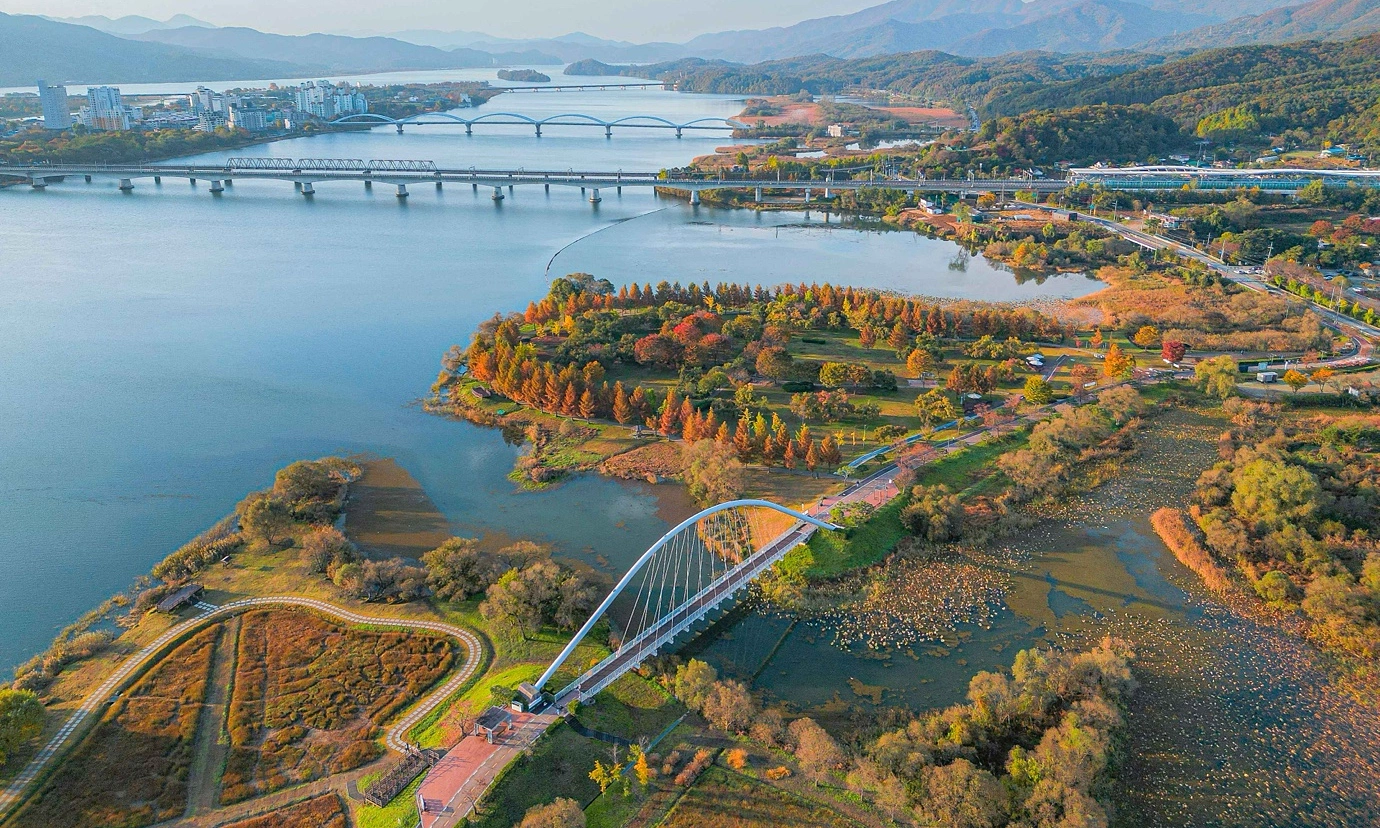
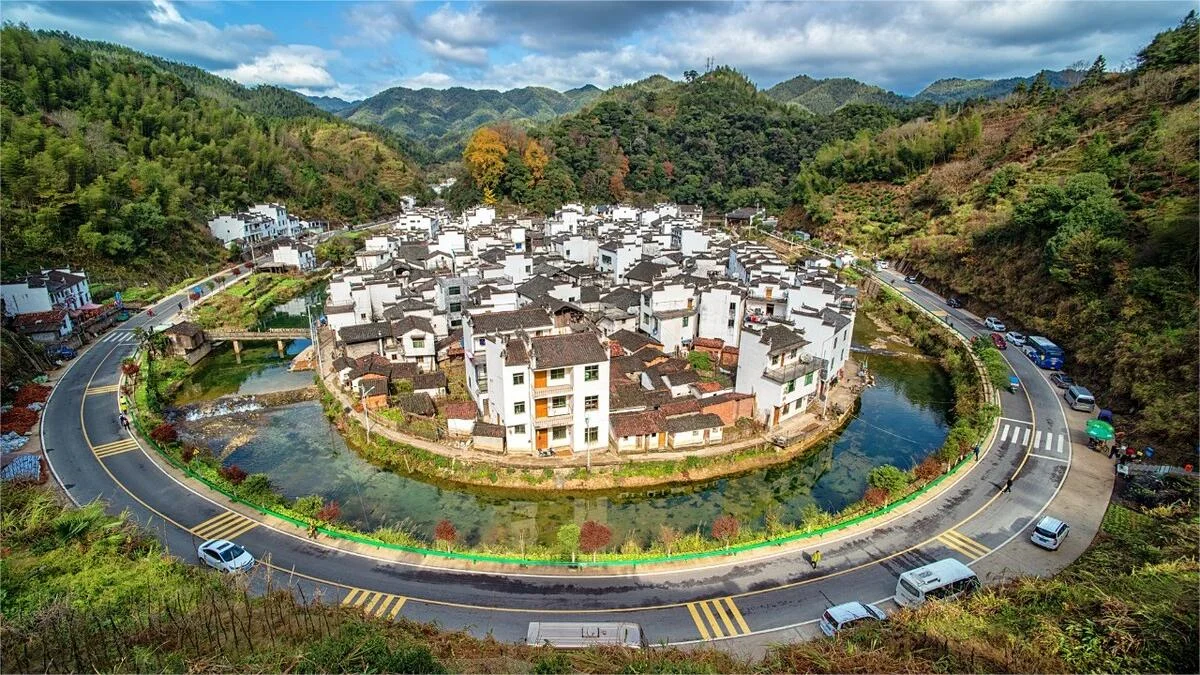
Jujing village, an 800-year-old settlement in Dashan town, Jiangxi province, is known as "the roundest village in China." When viewed from above, the village forms a nearly perfect circle. Many visitors describe its shape as "round as a washbasin" or resembling a bagua (a Taoist octagonal diagram).
Established in the early Song dynasty, Jujing village was planned by the renowned feng shui master He Pu. Its distinctive circular shape was not intentionally designed by humans. Legend has it that before the village's construction, this mountain valley was eroded into a circular form by flash floods.
 |
Jujing village seen from above. Photo: China tripedia |
Residents built the village following this natural topography, with a surrounding stream providing drinking water. Many also consider Jujing to have excellent feng shui due to its "mountain-backed, water-facing" (lung tua nui, mat huong song) layout.
Jujing village spans approximately 40,000 square meters and is home to several hundred households, predominantly bearing the He surname. It is also the birthplace of He Ruchong, a Grand Secretary and Minister of Revenue and Rites during the Ming dynasty. The He family ancestral hall still stands within the village.
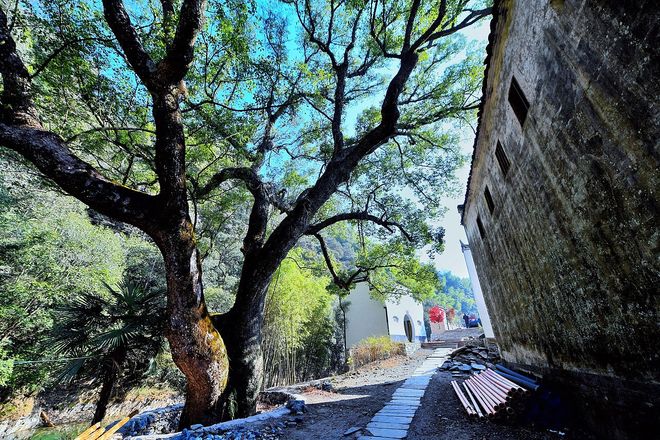
Visitors to Jujing encounter ancient stone-paved alleys, rows of white-walled houses with black tiled roofs, and the typical sights and sounds of rural life: cooking smoke, crowing roosters, and barking dogs.
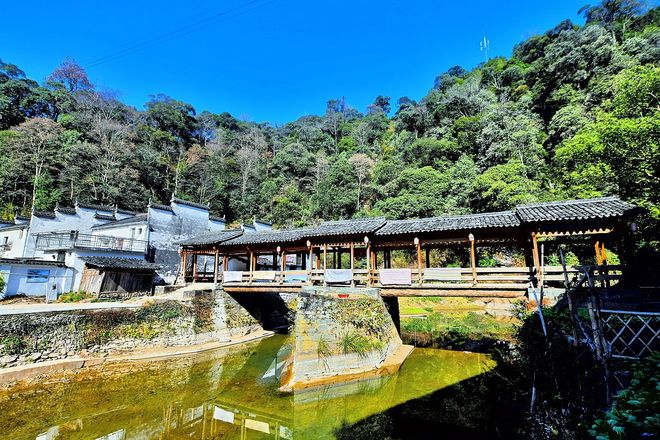
Narrow wooden bridges, less than one meter wide, connect the main road to the smaller paths within the village. While first-time visitors may feel apprehensive crossing them, residents navigate these bridges with ease, even in the dark.
Surrounded by mountains and experiencing a humid, rainy climate, the village is frequently enveloped in dense fog. Each morning, the ethereal mist cloaks the entire area, creating a magical, poetic scene reminiscent of a fairyland.
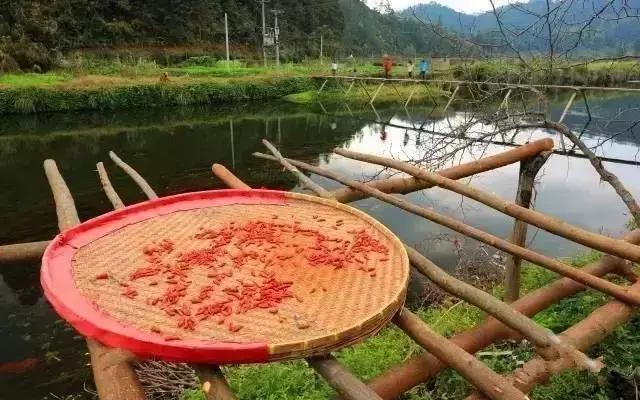
The swift-flowing river water, cascading from the mountains, serves as the primary source for daily washing, vegetable cleaning, and household needs. The mountain-fed water is remarkably clean, and residents use almost no chemicals when washing clothes. Due to the humid weather, people often pick many chilies to ward off cold; on sunny days, they dry these chilies for consumption throughout the year.
 |
The wooden bridge residents use for village travel. Photo: 163.com |
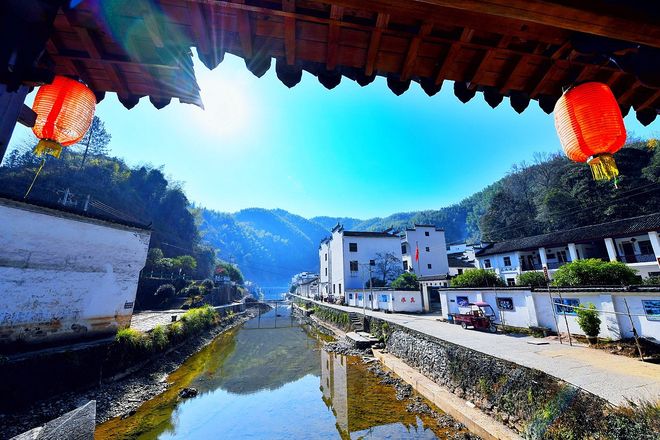 |
A village path in Jujing. Photo: 163.com |
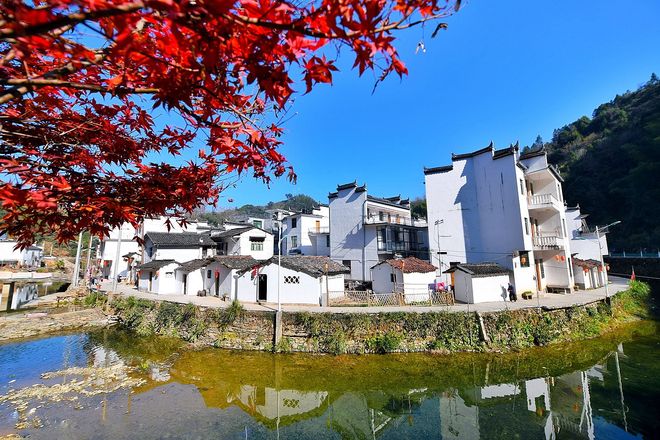 |
The water flowing around the village is always clear and free of debris. Photo: 163.com |
 |
Jujing in autumn. Photo: 163.com |
 |
Residents drying chilies for winter consumption. Photo: 163.com |
Despite attracting many tourists, the village retains its rustic charm and tranquility, often likened to a real-life "Shangri-La".
In 2019, Jujing was added to China's List of Traditional Villages. To preserve its ancient architectural cluster, authorities stipulate that residents can only construct new homes in designated areas outside the village. This measure has allowed Jujing to maintain its original ancient appearance for centuries.
By Anh Minh (Source: Trip.com, Our China Story)