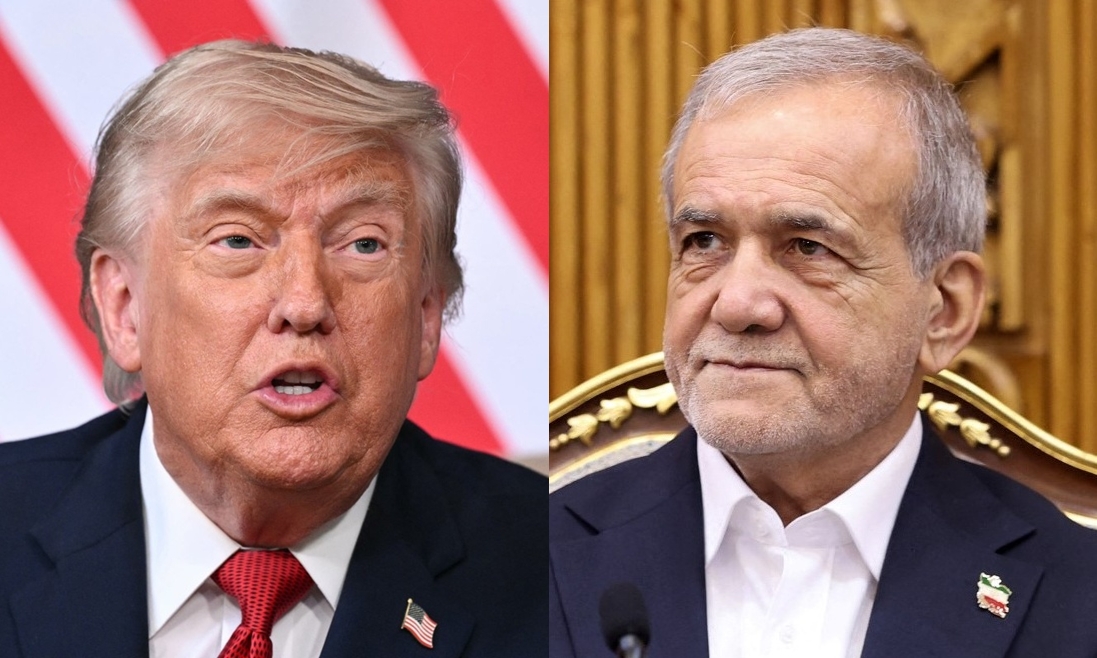
Iranian Parliament Speaker Mohammad Bagher Ghalibaf, also Tehran's chief negotiator with Washington, emphasized that diplomacy is not a sign of concession but a crucial front in warfare. In an interview broadcast by Iranian state television on 17/6, Ghalibaf asserted that Tehran has achieved significantly more through negotiation than through military action.
"When discussing negotiations, I refer to diplomacy from a position of strength," he stated. "There were things we once sought to achieve through military action, but ultimately accomplished through negotiations, with results several times greater." He added that the current round of negotiations differs from previous phases because it is backed by "the flag of victory on the battlefield," a fact both allies and adversaries acknowledge.
Ghalibaf explained that modern warfare unfolds on four simultaneous fronts: military, public sentiment, diplomacy, and ensuring normal societal function. Each front contributed to Tehran's overall achievements in its confrontation with the US and Israel over the past four months. He particularly emphasized Lebanon's critical role in the negotiation process, noting that Tehran firmly demanded any ceasefire agreement include Lebanon, where the Hezbollah movement is a significant member of the Iran-backed "Axis of Resistance."
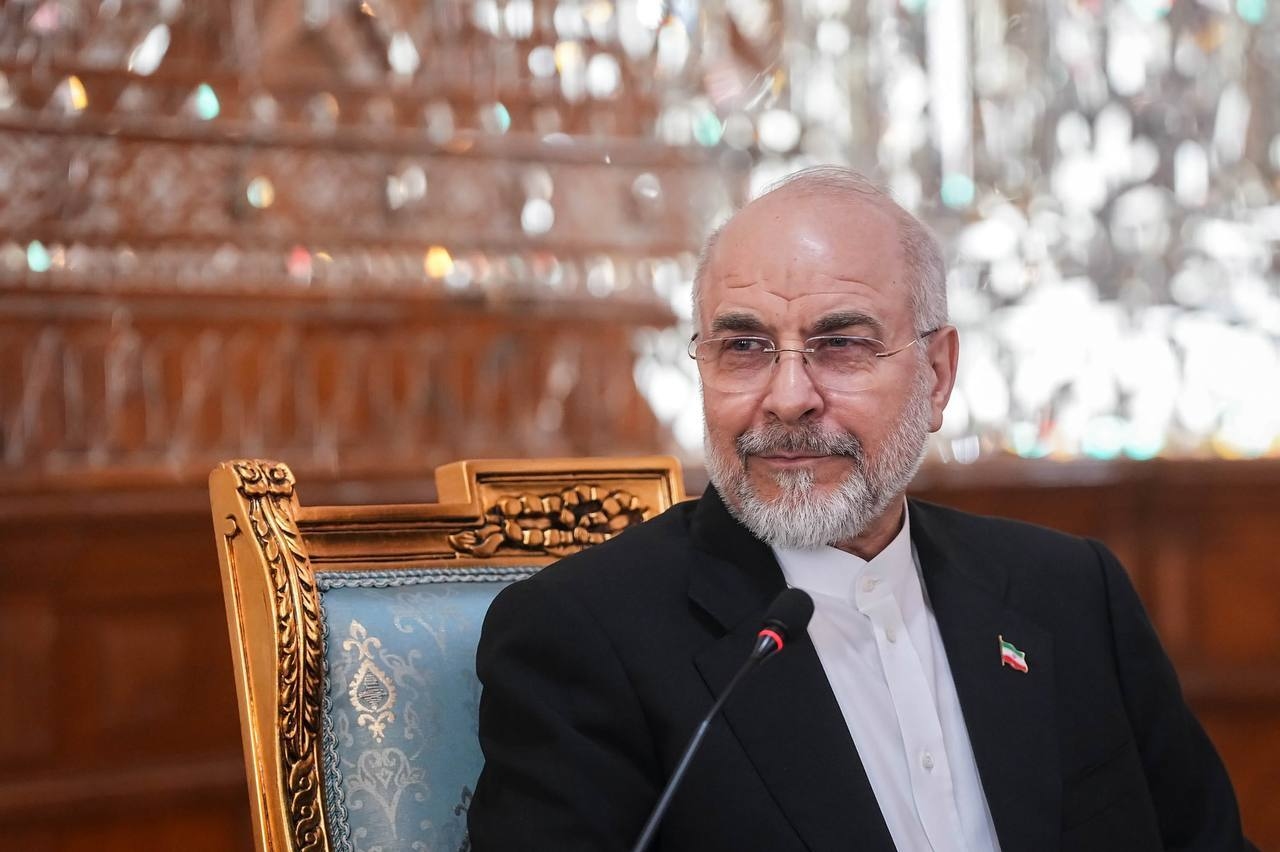 |
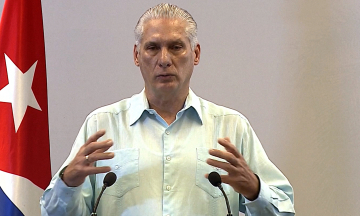
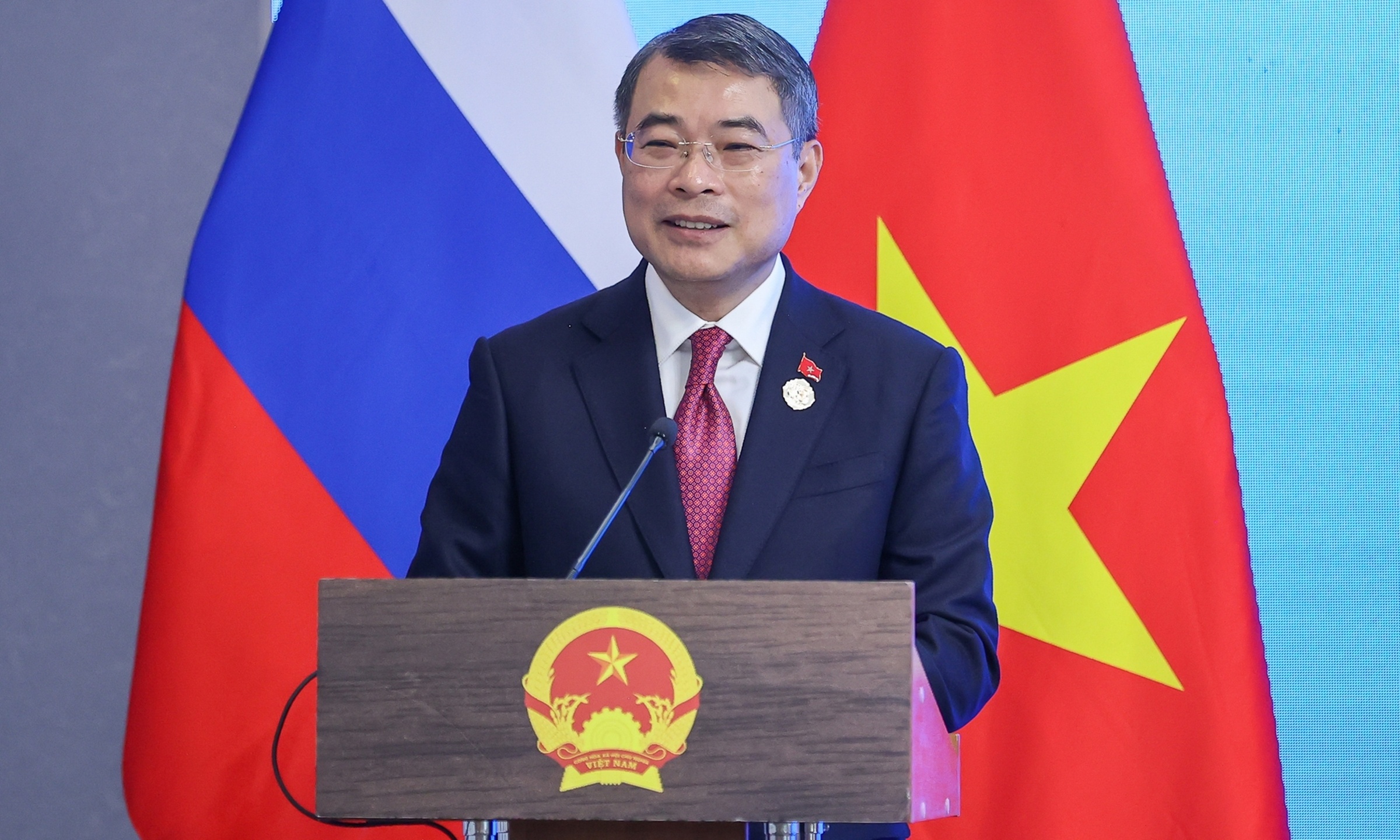
Iranian Parliament Speaker Mohammad Bagher Ghalibaf in Tehran on 16/4. *Photo: Reuters*
Ghalibaf recounted that during the most intense phase of the negotiation process, Israel conducted an airstrike targeting the Dahiyeh area in Beirut, an action Tehran believed aimed to undermine the peace process. According to Ghalibaf, negotiation efforts at that time were extremely challenging. Overnight, while awaiting a response from Washington, he contacted Iranian military commanders to confirm their readiness for action if negotiations failed.
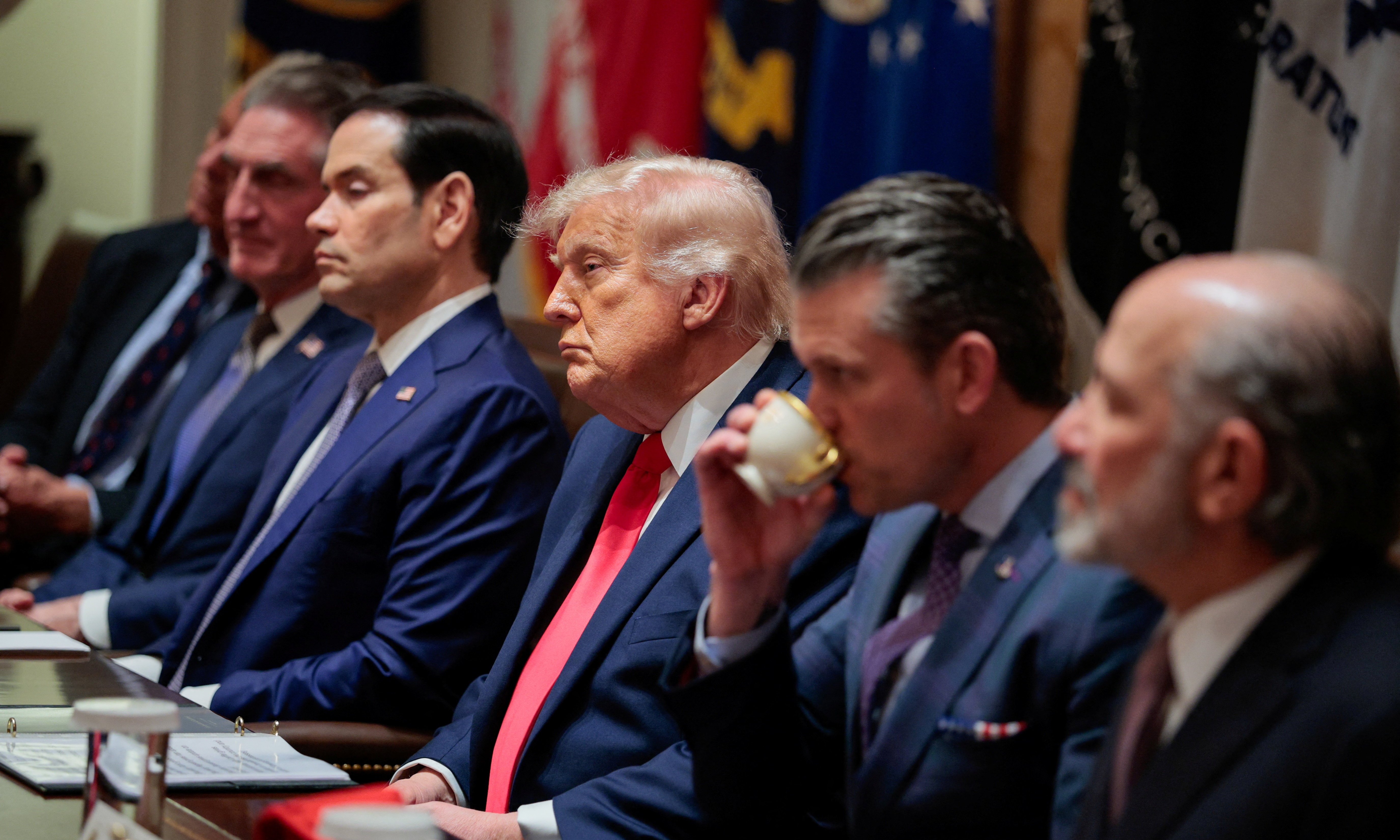
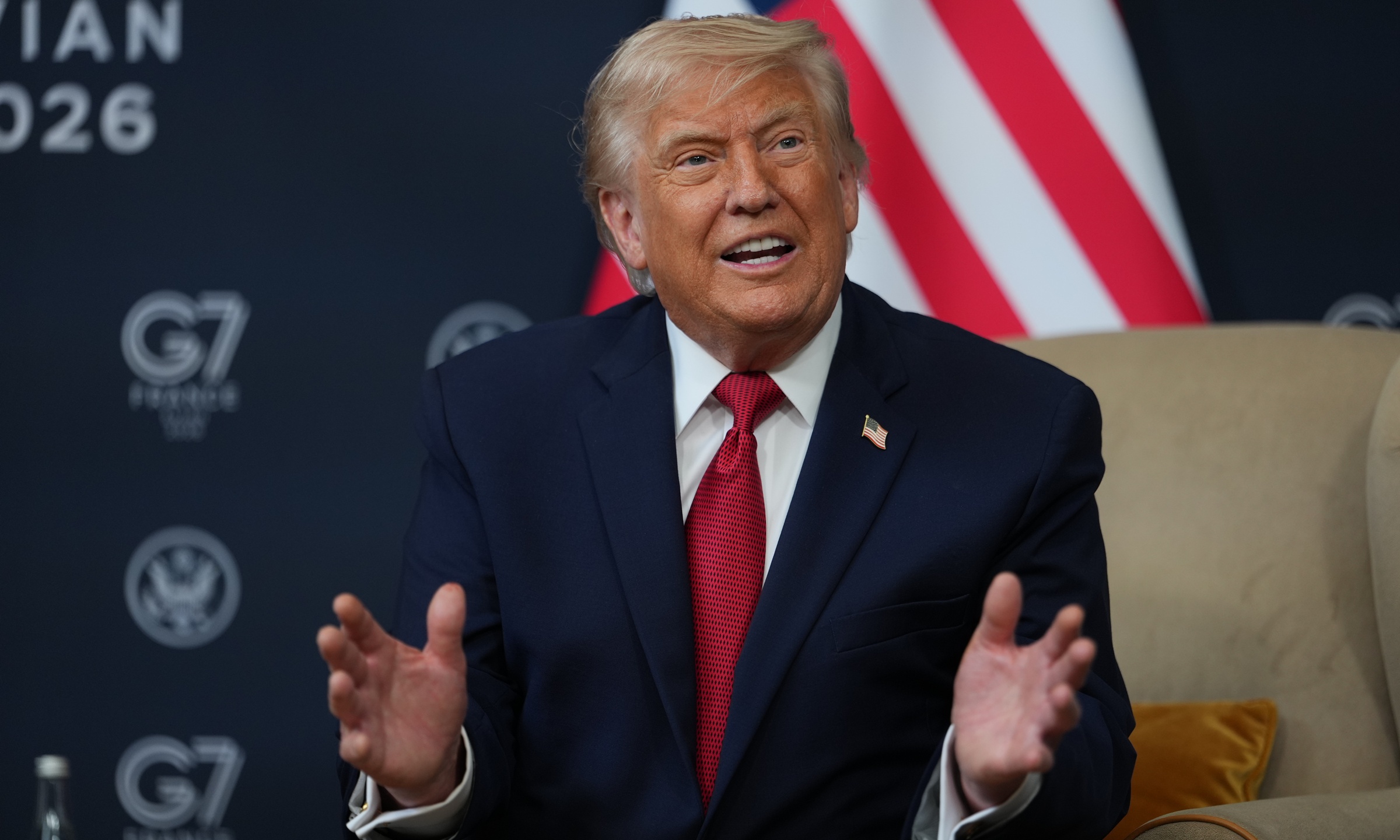
"We waited until 2 a.m. that day for US President Donald Trump to agree to a ceasefire not only in Dahiyeh but across all Lebanese territory. He did not even discuss it with the Israeli Prime Minister," he said. A significant military de-escalation followed this diplomatic success: approximately 50% of US forces previously present in the region have withdrawn since the parties reached a preliminary agreement, a development Ghalibaf cited as proof of diplomacy's effectiveness. "We could end the hostilities in Dahiyeh through negotiations. That is the power of negotiation," he stated.
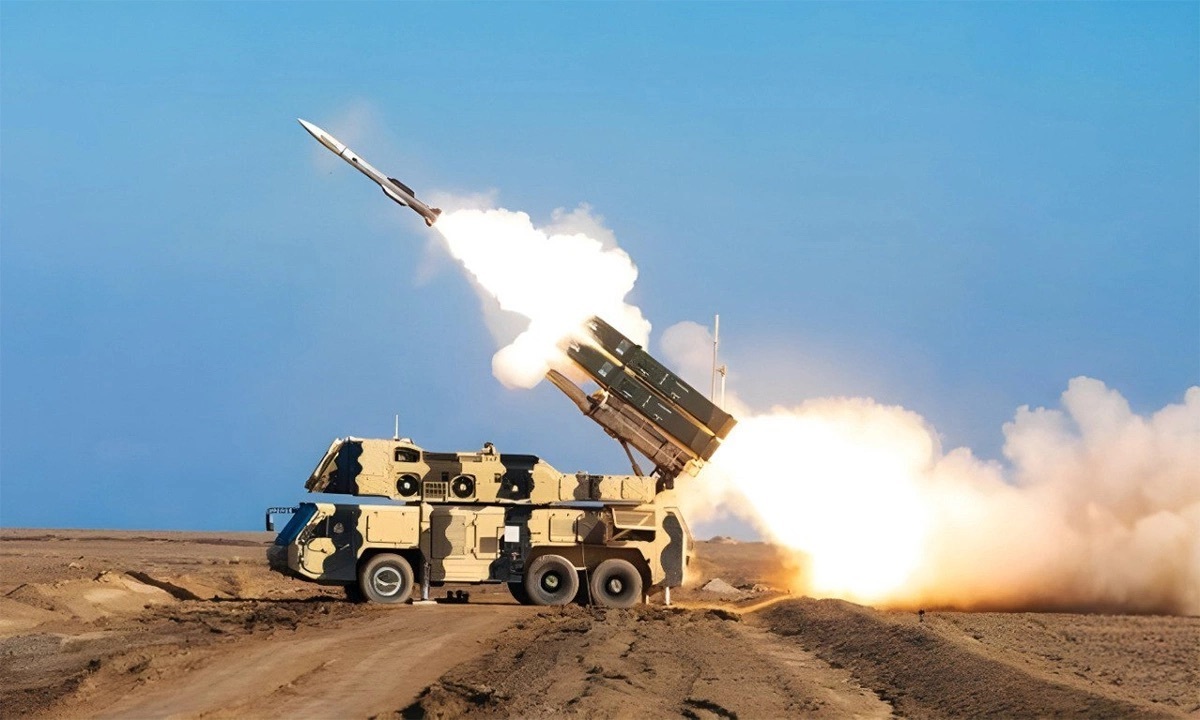 |
Iran's Sevom Khordad system fires in a photo released in 1/2025. *Photo: Tehran Times*
Ghalibaf argued that every military victory ultimately must convert into specific political and legal outcomes through diplomacy. "Any war, even if it ends in victory, if it does not lead to a legal and political document recognizing those achievements, then it brings no benefit," he emphasized.
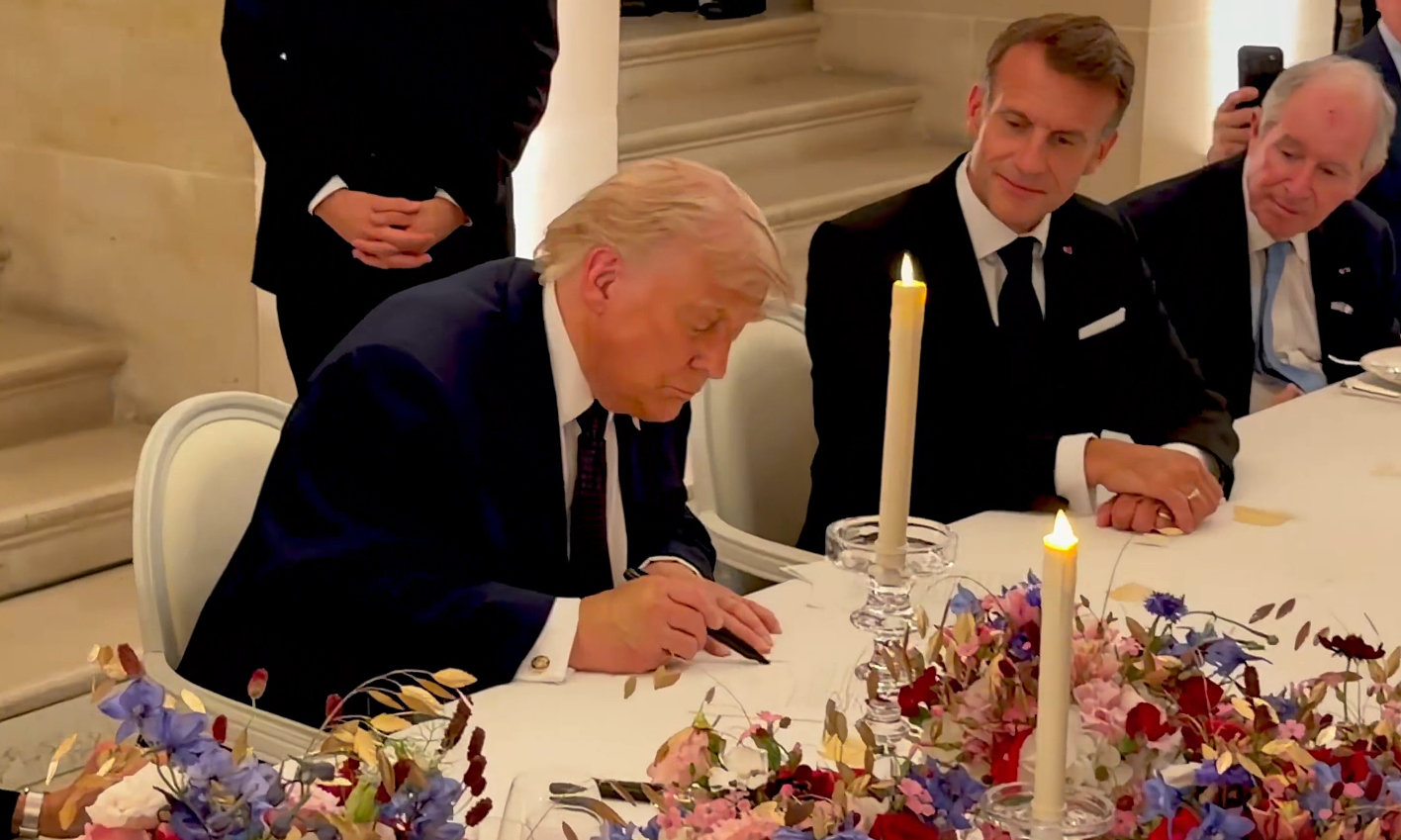
US and Iranian leaders signed a memorandum of understanding on 17/6 to end the conflict in the Middle East. Under the agreement, Iran agreed to dilute its enriched uranium in exchange for the US lifting some sanctions and blockades. The Iranian negotiator stressed that Tehran would only adhere to its commitments if the other party also fulfilled its obligations, following the "action for action" principle.
Thanh Danh (According to AFP, PressTV, Al Jazeera)