"The Iranian Navy has been completely wiped out, with 158 ships now at the bottom of the sea. What we haven't targeted is a small number of what they call 'fast-attack craft', as we don't consider them a major threat", US President Donald Trump wrote on the social media platform Truth Social on 13/4.
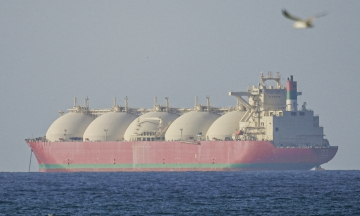
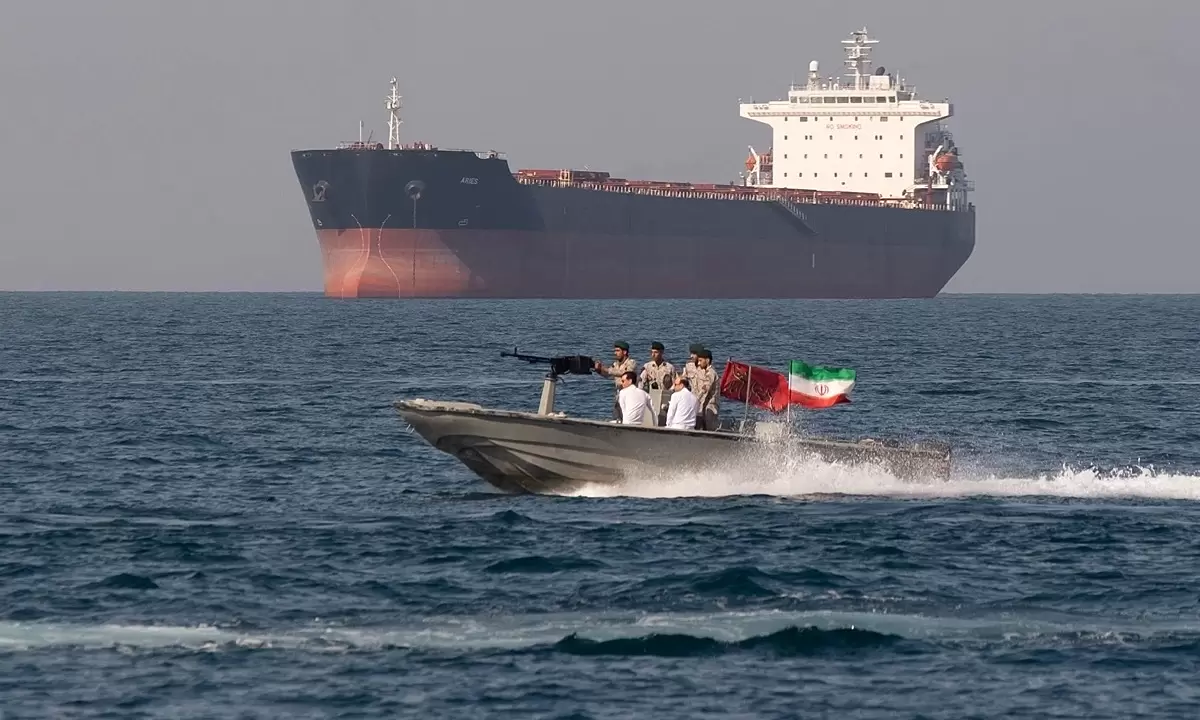
Fast-attack craft are small, high-speed vessels equipped with machine guns and some types of anti-ship missiles. These are considered the primary weapons used by the naval forces of the Islamic Revolutionary Guard Corps (IRGC) for patrolling or laying sea mines in the Strait of Hormuz, according to Chris Long, a former British naval officer who served in the Persian Gulf. Before the conflict, the IRGC was believed to possess 3,000 to 5,000 fast-attack craft.
The US newspaper WSJ cited sources indicating that over 60% of the IRGC's fast-attack craft remained intact after six weeks of conflict with the US-Israel alliance. These craft are often hidden in underground caves along the Iranian coast, utilizing their high speed and agile maneuverability to evade reconnaissance satellites.
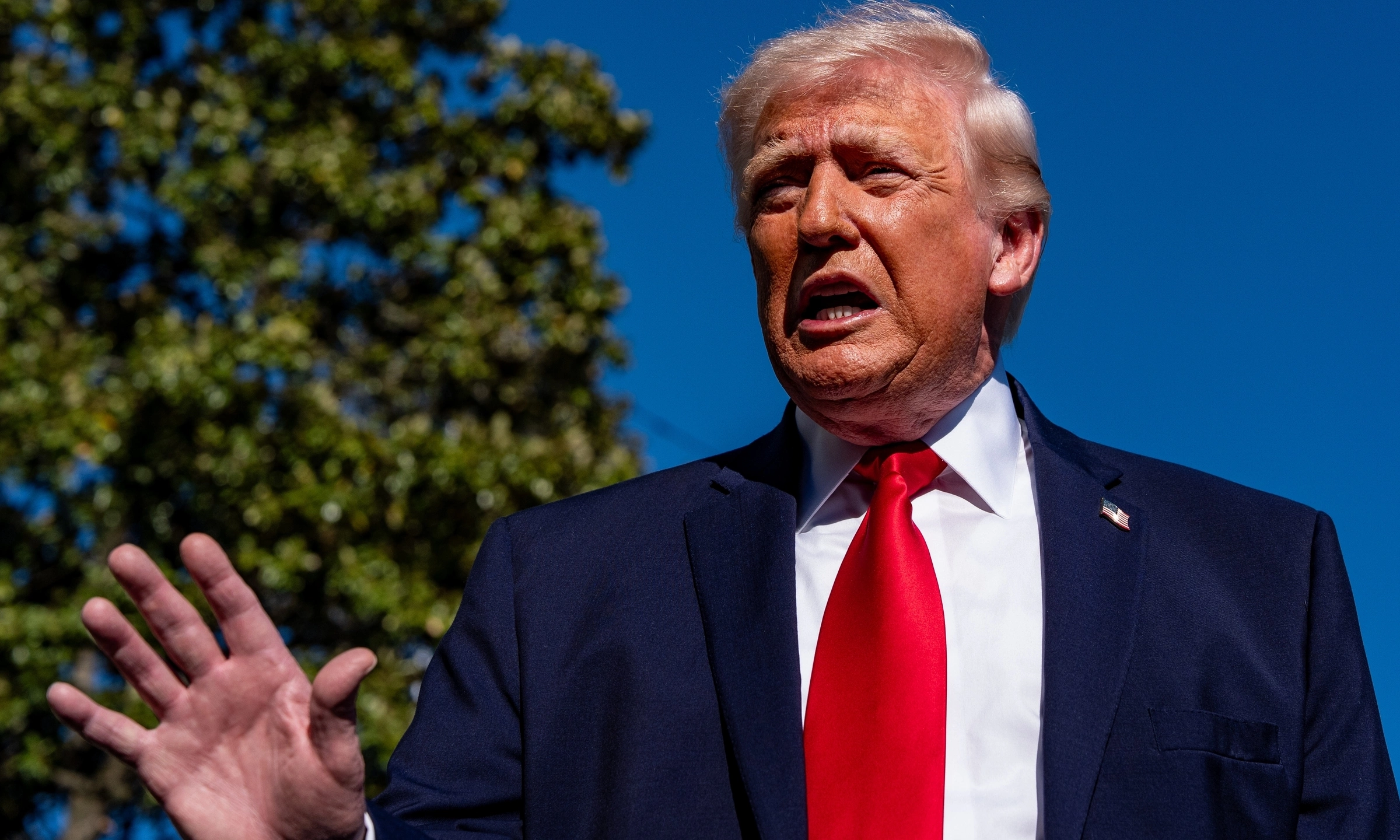 |
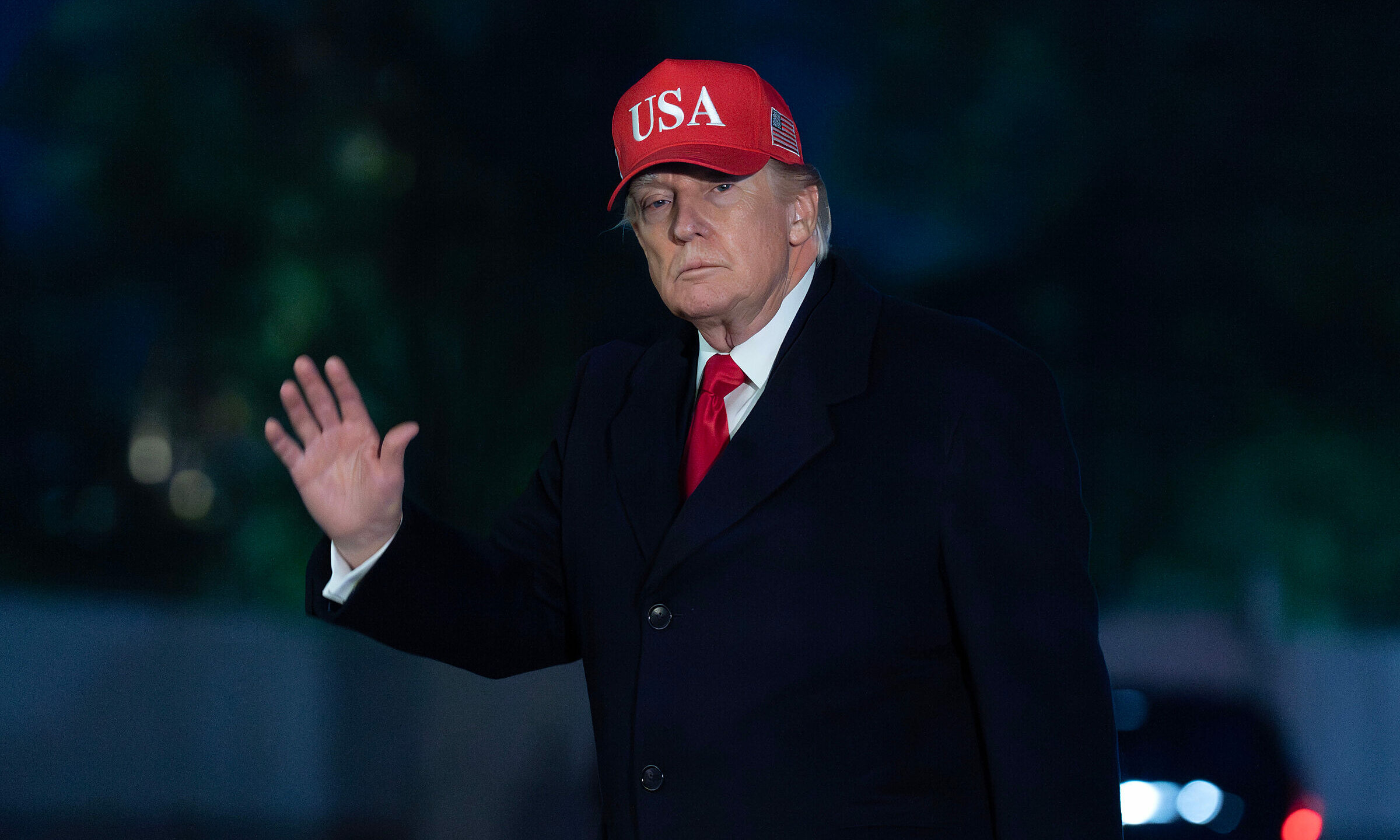
US President Donald Trump at the White House on 11/4. *Photo: AP* |
"Warning: If any of these craft approach our blockade zone, they will be immediately destroyed, using the same system we have employed against sea-based drug smugglers. This will be swift and devastating", Trump stated.
President Trump appeared to be referring to dozens of airstrikes the US has conducted against suspected drug-carrying vessels in the Caribbean and Pacific since last September, which resulted in at least 110 fatalities.
Iran has blockaded the Strait of Hormuz, cutting off a vital waterway that transports approximately 20% of global oil and liquefied natural gas supplies. This action was taken in retaliation for US and Israeli airstrikes.
President Trump's comments followed an announcement from US Central Command (CENTCOM) regarding the enforcement of a blockade in the Gulf of Oman and the Arabian Sea, east of the Strait of Hormuz. This blockade applies to all vessels, regardless of their flag, and commenced at 10:00 today (21:00 Hanoi time).
"Any vessel entering or leaving the blockaded area without authorization may be intercepted, diverted, and seized", the announcement stated. "The blockade will not impede neutral transit through the Strait of Hormuz to or from non-Iranian ports".
The blockade "encompasses the entire Iranian coastline, including but not limited to ports and oil depots", the announcement specified, adding that humanitarian shipments, including food, medical supplies, and other essential goods, would be permitted to pass but would be subject to inspection.
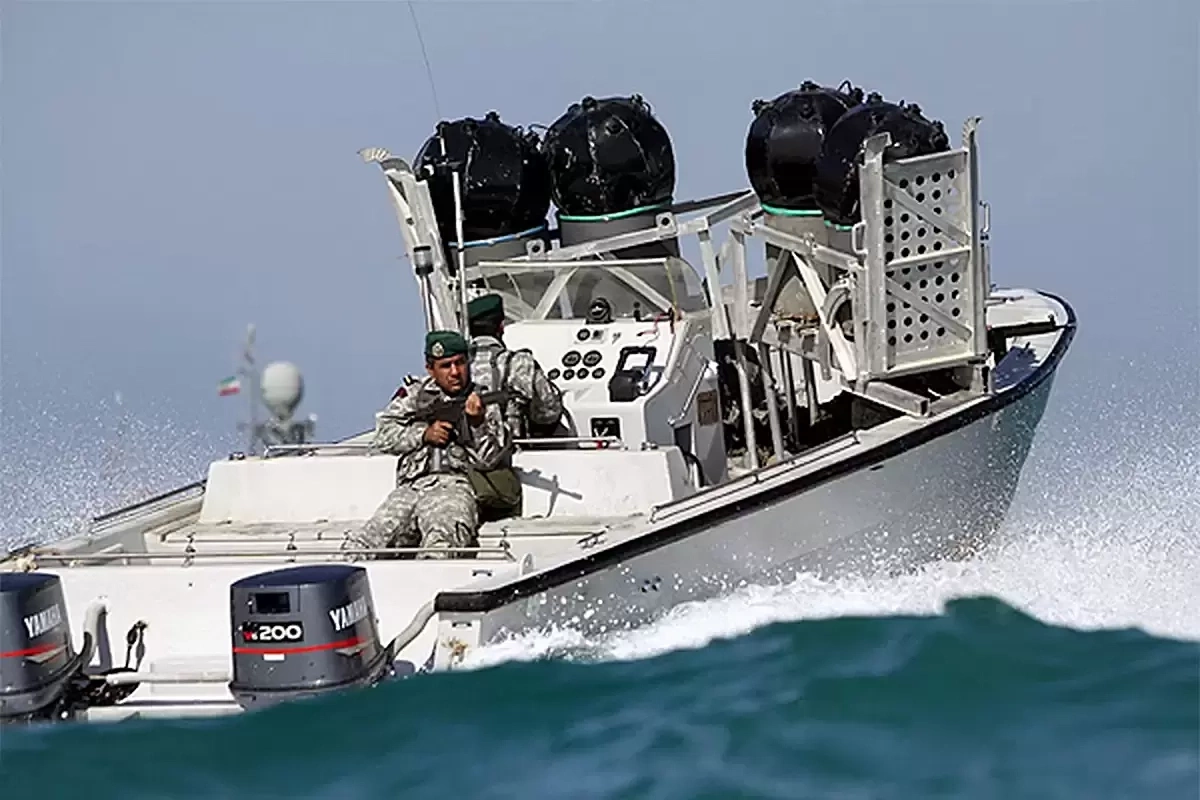 |
IRGC speedboats carrying 4 sea mines during an exercise in the Strait of Hormuz before the Middle East conflict erupted. *Photo: IRGC* |
Shipping industry sources reported on the same day that the US blockade presents another obstacle for vessels currently stranded in the Gulf.
"The US announcement of a plan to blockade the Strait of Hormuz introduces further instability. Shipping activity through the Strait of Hormuz has increased in recent days, but it remains significantly below pre-crisis levels", noted the ship brokerage firm Clarksons.
Iran has threatened retaliation against the ports of neighboring Gulf countries after last weekend's negotiations failed to reach a conflict-ending agreement, leaving the ceasefire in a fragile state.
Two Iranian-linked oil tankers departed the Gulf via the Strait of Hormuz on 13/4, before the US blockade took effect, according to data from the shipping analytics company Kpler.
Reuters news agency quoted diplomatic sources revealing that NATO Secretary General Mark Rutte informed European governments that President Trump sought specific commitments from them in the near future to help ensure security in the Strait of Hormuz.
However, some NATO members today declared they would not participate in President Trump's plan to blockade the Strait of Hormuz, instead proposing intervention only after the conflict concludes.
"We do not support the blockade", UK Prime Minister Keir Starmer told the BBC. "My decision is clear, no matter the pressure, and there has been significant pressure, we will not allow ourselves to be drawn into the war".
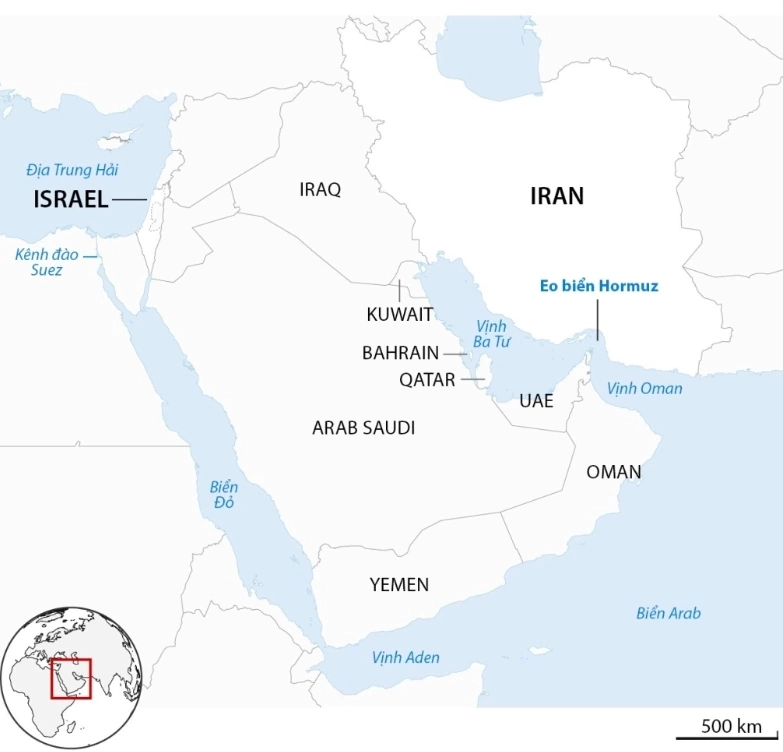 |
Location of the Strait of Hormuz. *Graphic: Guardian* |
President Emmanuel Macron announced that France would organize a conference with the UK and other nations to establish a multinational force aimed at restoring maritime activity in the Strait.
"This purely defensive force, separate from the belligerents, will be deployed as soon as the situation allows", Macron wrote on X.
A French diplomatic source indicated that a planning meeting for the delegation could take place as early as 16/4 in Paris or London. Under this initiative, the delegation would comprise approximately 30 participating countries, including Gulf states, India, Greece, Spain, Italy, the Netherlands, and Sweden, with the goal of establishing safe transit rules and coordinating with military vessels to escort oil tankers.
The IRGC stated today that its forces maintain full control of the Strait of Hormuz, warning that "the enemy will be caught in a death spiral if any miscalculation is made".
Vu Hoang (According to Reuters, AFP, AP)