As of 1/6, Vietnam transitioned to nationwide sales of E10 bio-gasoline, largely replacing traditional mineral gasoline. This development has led to concerns among many users about having mineral gasoline remaining in their tanks but needing to refuel with E10. However, car manufacturers, fuel companies, and technical experts confirm that mixing these two types of fuel in the same tank is generally not an issue for modern vehicles.
E10 is a fuel type containing a maximum of 10% ethanol and approximately 90% regular mineral gasoline. This means E10 is inherently a fuel mixture, rather than a substance completely separate from conventional gasoline.
When E10 gasoline is added to a tank that still contains mineral gasoline, the two fuel types will naturally blend during vehicle operation. According to the US Department of Energy, E10 is currently approved for most conventional gasoline vehicles and is a common fuel type in many countries.
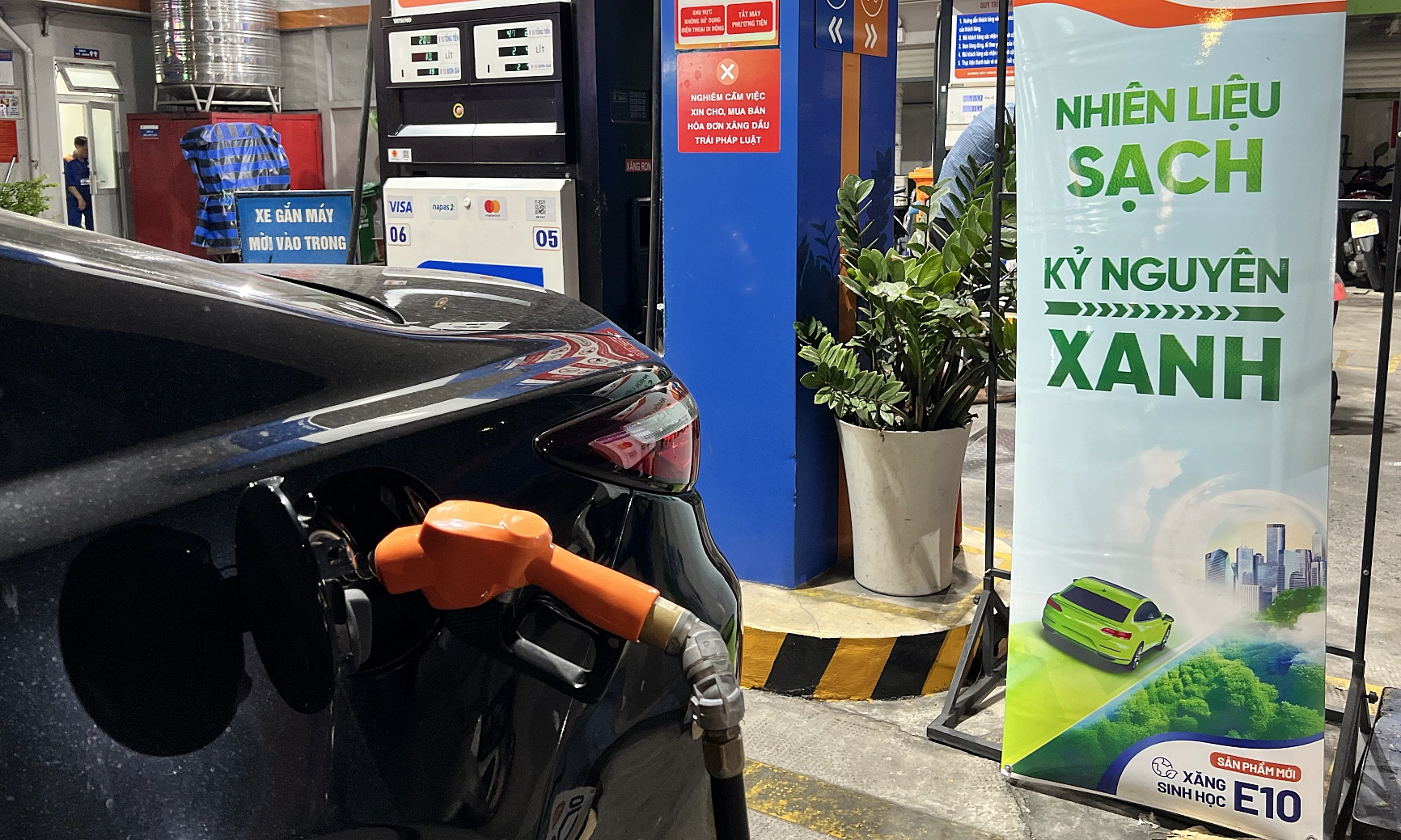 |
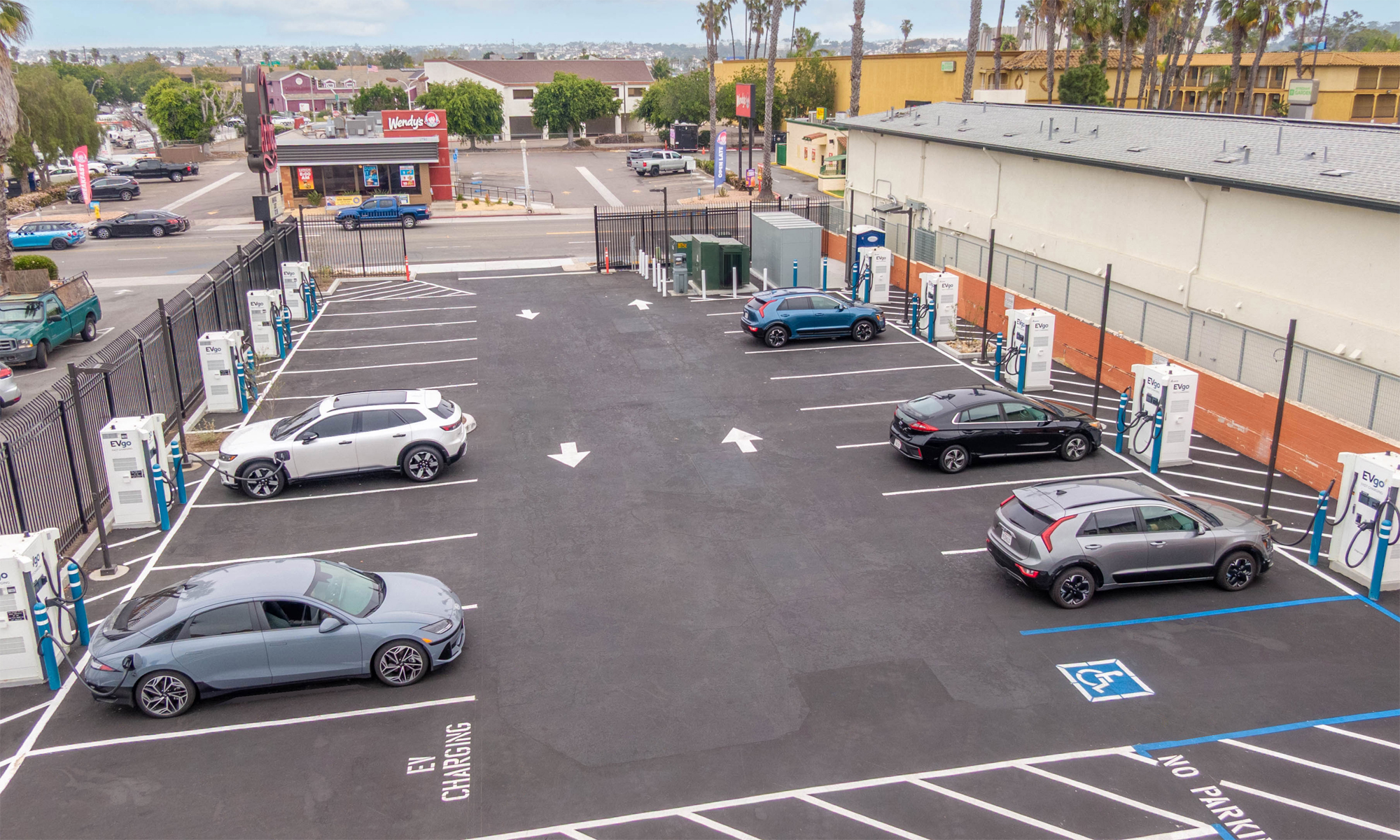
A vehicle fueling with E10 at a gas station in TP HCM. Photo: Ho Tan
Manufacturers state that as long as a vehicle model is designed to use E10 gasoline, as specified in its owner's manual, mixing mineral gasoline with E10 is not a problem. This is because, when mixed, the E10 concentration is actually diluted compared to a full tank of E10.
Experts indicate that vehicle-compatible fuels can be used interchangeably or mixed. When different types of gasoline are combined, the final result is simply an intermediate fuel mixture with an octane rating and ethanol percentage between the two original types.
For instance, if a 60-liter fuel tank contains one-half mineral gasoline (30 liters) and then 30 liters of E10 are added, the resulting fuel mixture will actually contain only about 5% ethanol, which is equivalent to E5 gasoline. If a vehicle can use E10 gasoline, it means mixtures with lower ethanol percentages, such as E5, will still allow the vehicle to run well. Some fuel companies, like BP, also state that mixing different types of gasoline in the same tank is relatively safe because they all have similar chemical structures.
In many markets, such as the US, Europe, and Australia, E10 has been a common fuel type for many years. Therefore, most modern cars and motorbikes are designed to be compatible with ethanol-containing fuels up to E10. When a vehicle uses ethanol gasoline, the engine control unit (ECU) and oxygen sensor can automatically adjust the air-fuel ratio when the ethanol percentage changes slightly. This also explains why, in practice, users frequently alternate between mineral gasoline, E5, or E10 without needing to drain the fuel tank.
Considerations when using E10 gasoline
Ethanol still possesses some properties that differ from regular gasoline. For older vehicles, rubber gaskets or the fuel system may not be designed to operate with ethanol gasoline. Consequently, long-term use of E10 could lead to faster material degradation. Vehicle owners can consult their owner's manual for information on compatible fuel types or inquire at a dealership.
In Vietnam, most motorbikes and cars can run on E10, with the exception of some very old models (approximately pre-2000s) that require more attention. Additionally, a small number of newer vehicle models are advised to use E10, but Vietnam is not listed among the compatible markets (because the manufacturer has not tested it in Vietnam), also require more caution during use. In reality, the proportion of vehicles incompatible with E10 gasoline is very low.
Furthermore, ethanol is an alcohol and tends to absorb moisture more readily than mineral gasoline. Therefore, for vehicles left unused for many months, it is advisable to limit ethanol fuel from remaining in the tank for too long.
For vehicle owners who drive infrequently or whose vehicles do not have clear recommendations for E10 use, they can purchase water-separating additives to mix when fueling. Additionally, before using E10, it is possible to drain the old tank and replace fuel filters.
Ho Tan