The reason for the extended travel time is a limitation Tesla has not yet resolved: its robotaxis cannot operate on highways. Consequently, the self-driving system is forced to navigate narrow, congested inner-city streets, rather than taking the quickest route along main thoroughfares as human drivers would.
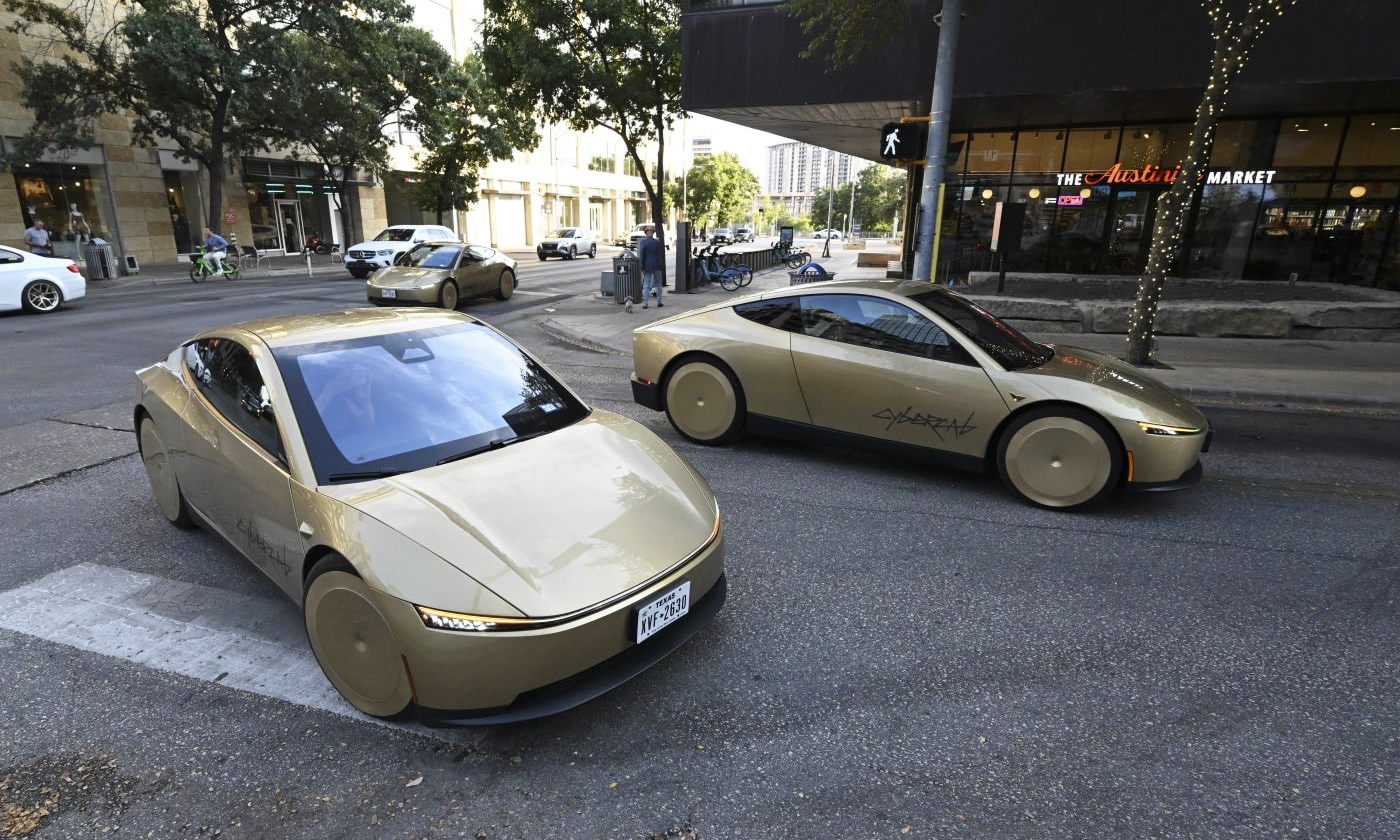
A user recounted the incident on Reddit, stating they booked a ride from the 99 Ranch Market supermarket to The Domain complex in north Austin. Typically, this journey takes around 10 minutes directly on the highway. However, the Cybercab detoured south, traversing East Austin before arriving at its destination, stretching the total travel time to over an hour.
The passenger titled their post "I was held hostage by a Cybercab for an hour," though this was a jest. Other users noted that passengers can cancel a robotaxi ride at any time to opt for alternative transport. The fare for the trip was about 20 USD, comparable to market rates. However, the Tesla app only provides an estimated cost during booking, without a time projection, so passengers only become aware of the "detour" once they are already in the vehicle.
Why the vehicle chose a detour
Tesla's robotaxis are currently unable to operate on Austin highways such as MoPac or US-183, and are also configured to avoid at-grade railway crossings. These combined restrictions compelled the vehicle to travel significantly south via inner-city roads, running parallel to Capital Metro's Red Line railway until it located an overpass in East Austin. "The car essentially ran parallel to the Red Line the entire way," the user recounted.
Though a minor incident, it clearly illustrates the inconvenience caused by the inability to use highways in an urban area structured around major transportation arteries.
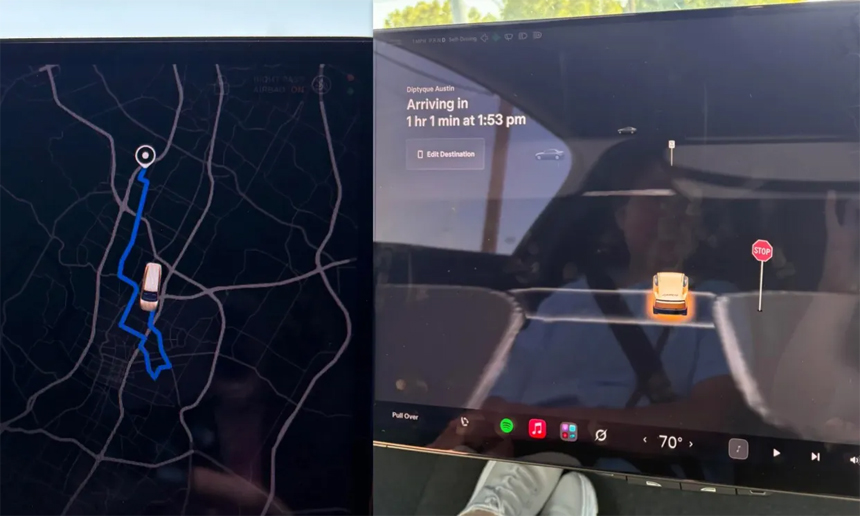 |
Passenger's route and time displayed in the car. Photo: TyGuy539 |
Waymo, a leader in this service, already operates fully self-driving vehicles on highways. Tesla's camera-only system, however, remains confined to low-speed inner-city routes within a restricted geographical area. In such environments, the risk of an incident at 55 km/h is considerably lower than at 105 km/h.
A vehicle that must avoid railway tracks and cannot merge onto highways cannot be considered a fully autonomous vehicle. It is merely a commercial trial, albeit one that charges 20 USD.
Cybercab's bumpy start
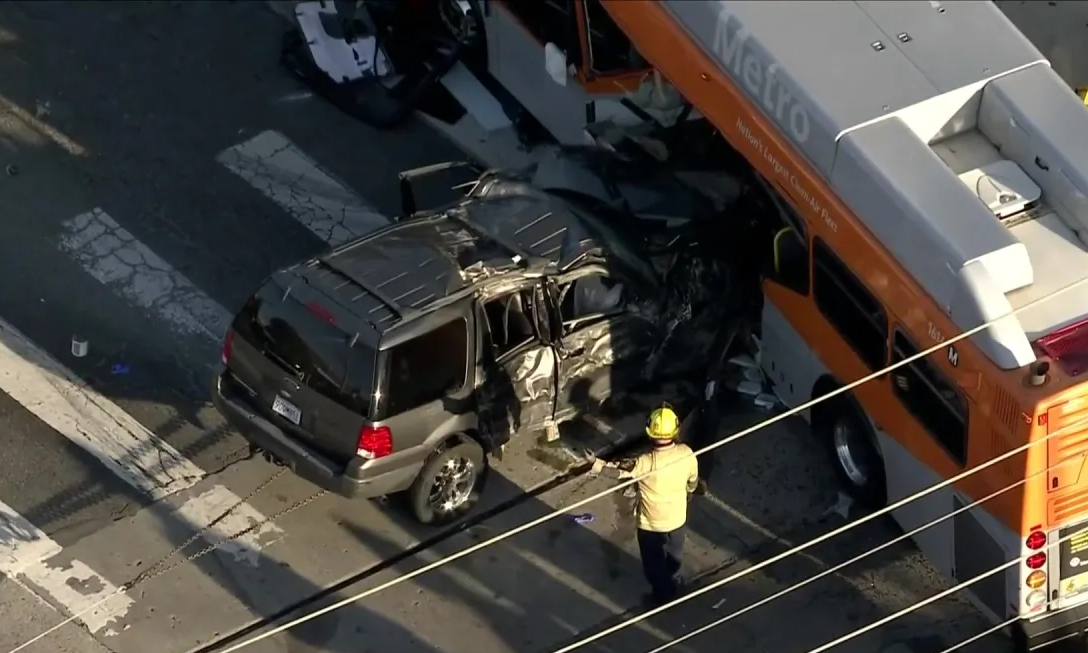
This incident occurred at a sensitive time for Tesla. The Cybercab model, which lacks a steering wheel, only commenced public passenger service in Austin on 3/9. On the same day, the National Highway Traffic Safety Administration (NHTSA) initiated an investigation into Tesla's safety self-certification process for this two-seater vehicle, which is not equipped with a steering wheel or pedals. Just days earlier, another of the company's robotaxis in Austin also garnered attention after colliding with a lane divider bollard.
The 70-minute detour scenario applies to the entire fleet, not exclusively the new model. Tesla utilizes the same internal road-restricted software for both its Model Y robotaxis and the Cybercab, implying any Austin passenger could face a similar experience.
According to Electrek, the "held hostage" comment was merely a humorous quip. However, beyond the humor, this incident provides tangible evidence of the significant disparity between Tesla's current self-driving technology and CEO Elon Musk's commercial assertions over recent years.
My Anh