This move follows the enactment of regulations concerning connected vehicles in 2025. Consequently, automakers are rushing to secure permission from the US government to continue selling models that have been available in US showrooms for years.
Ford has requested the US Department of Commerce to allow the continued import of its Lincoln Nautilus SUV, which is manufactured in China, according to Reuters. This model is among the few vehicles imported from China that were sold in the US before government restrictions were put in place.
The Nautilus's software is developed in the US but installed in China, necessitating government approval for its continued sale in the US, Ford stated.
Ford is one of several automakers navigating a complex and opaque licensing process, which highlights the extent to which the US automotive industry has intertwined its supply chains with China.
The regulations include a ban on most software developed and maintained in China, and they encompass companies with significant Chinese ownership. Lawmakers proposed tightening these regulations, which were passed in 1/2025 under former President Joe Biden, based on national security concerns regarding the potential collection of sensitive data from American owners by these vehicles. These regulations have been maintained under President Donald Trump's administration.
 |
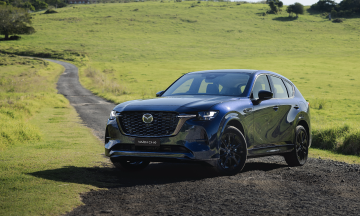
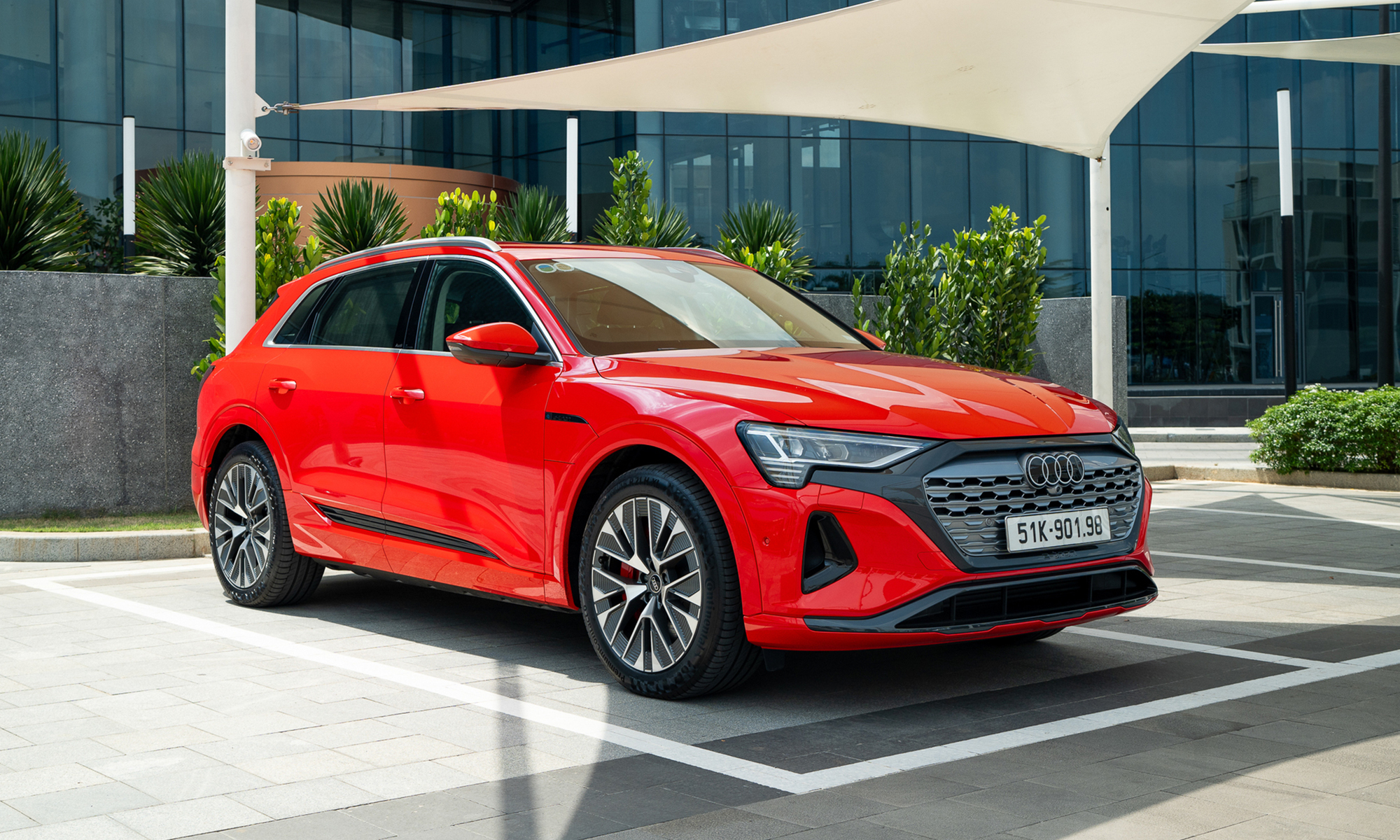
Lincoln Nautilus model in the US. Photo: monetharr
The software bans apply to 2027 models, while separate hardware restrictions will take effect for 2030 models. Ford anticipates it will begin importing 2027 Nautilus models by 1/2027, giving the company several months to secure the necessary authorization.
While the software ban has become a thorny issue for some automakers regarding certain models, it presents the industry with the much more difficult task of decoupling US automotive hardware supply chains from China.
"Hardware restrictions will likely be more complex and require more time for automakers to adapt," researchers at Rhodium Group noted in a study.
Some manufacturers are already making costly efforts to restructure supply chains away from China. General Motors (GM) has set a 2027 deadline for some suppliers to remove Chinese components from their supply chains.
In May, Volvo announced it had received a license, although it must still meet specified technical parameters across its entire product line sold in the US. The company confirmed that it required a specific license due to its ownership structure.
The US Department of Commerce does not publicize specific license applications or decisions, making it unclear how many automakers have sought similar support.
Other automakers that may need to seek licenses include Polestar, which is majority-owned by Geely, and GM, which produces the Buick Envision in China. Earlier this year, GM stated it would shift production of the aforementioned model to a plant in Kansas starting in 2028.
The regulation also impacts parts suppliers. A group representing suppliers previously stated that it could be difficult to separate aspects of software and hardware developed by global teams.
Tire manufacturer Pirelli warned that one of its products was at risk of being banned due to a major Chinese shareholder. The Italian government responded by imposing restrictions to limit the number of board members that shareholder could appoint. In May, Pirelli announced it would begin producing this product at a plant in the US.
My Anh