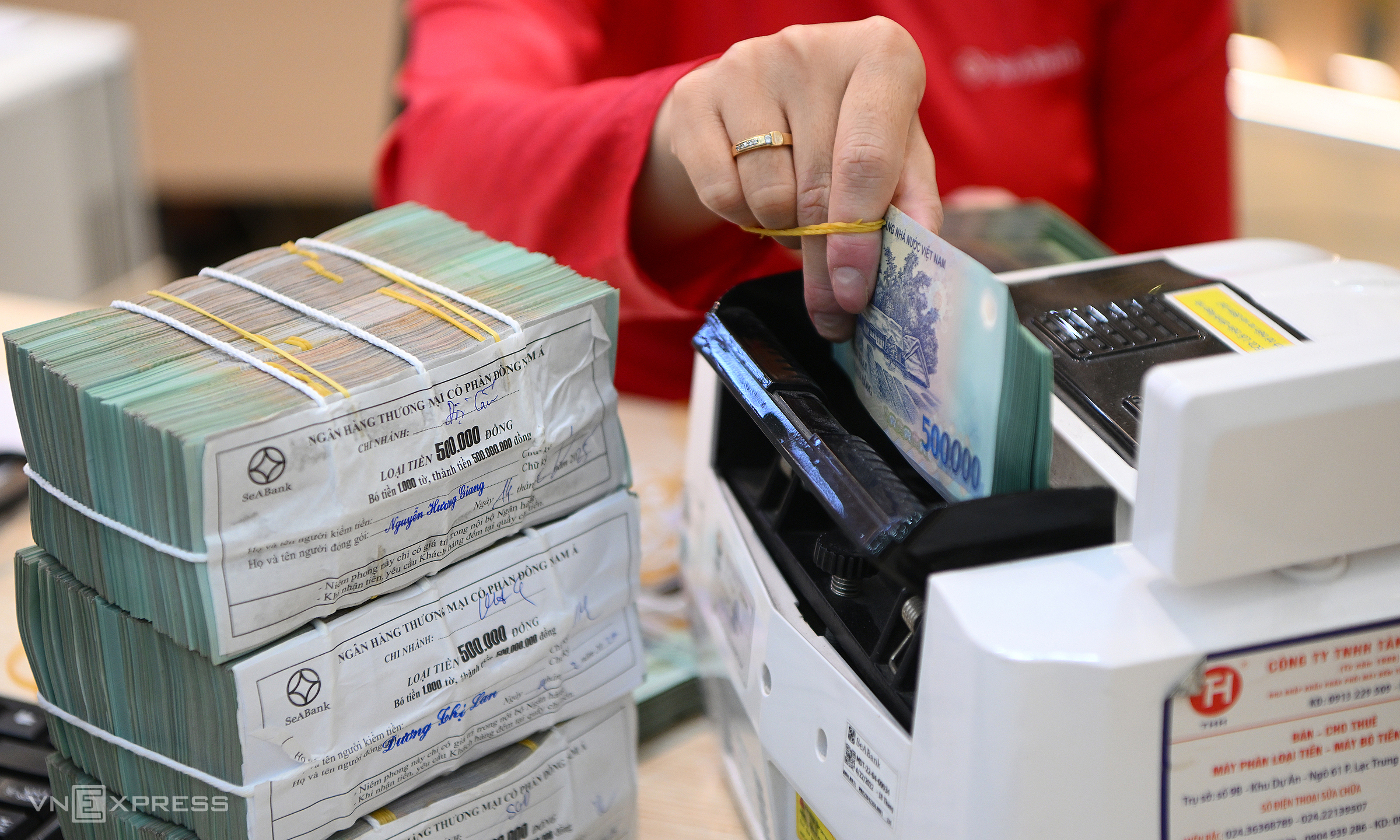
The Ministry of Industry and Trade (MOIT) is pushing for immediate adoption of revised peak (5:30 p.m. to 10:30 p.m., daily except Sunday) and off-peak (12:00 a.m. to 6:00 a.m.) electricity hours for business and production customers. This aims to take effect this hot season, primarily to reflect electricity supply and demand more accurately and encourage consumers to shift usage away from peak times, thereby reducing strain on the national grid.
This proposal suggests bypassing a current regulation in Circular 60/2025, which states that such hour changes can only occur when average electricity prices are adjusted. The MOIT's draft amendment to Circular 60/2025 seeks to remove this transitional provision.
Currently, about 1,25 million electricity meters for manufacturing and business enterprises operate under a time-of-use mechanism, directly impacting billing and payment. Households are unaffected by these proposed changes, continuing to use the existing tiered retail price structure.
The proposed schedule, outlined in MOIT's Decision 963 on 22/4, consolidates peak hours into a single evening block and extends off-peak hours. However, this revised schedule has not yet been implemented. The existing peak hours remain split into two periods (9:30 a.0m. to 11:30 a.m. and 5:00 p.m. to 10:00 p.m. daily, excluding Sunday), with off-peak hours from 10:00 p.m. to 4:00 a.m.
Other key players also advocate for immediate changes. Last week, the National System Operation and Electricity Market Company (NSMO) proposed implementing the new peak and off-peak hours in June. Similarly, Vietnam Electricity (EVN) recommended immediate application of the new electricity hours during this year's dry season to mitigate the risk of electricity supply-demand imbalance, especially during evening peak hours.
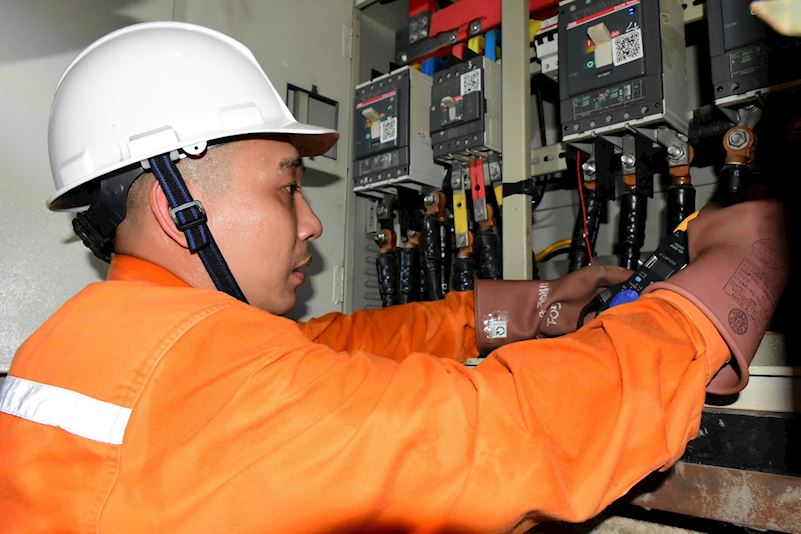 |
Electricity workers inspecting equipment. Photo: EVNHANOI |
The urgency stems from a forecasted risk of electricity shortages during peak dry season heatwaves this year. Surging demand, coupled with geopolitical conflicts, fluctuating fuel prices, and extreme weather, contributes to this risk. According to MOIT data, industrial electricity consumption has significantly increased since 2019, rising from 30% to over 50% of total electricity output as solar power developed. Conversely, household electricity consumption decreased from about 50% to nearly 30%.
Recent data underscores the demand surge. On 26/5, the national power system's highest electricity consumption reached 57,590 MW, an increase of about 470 MW from the previous day. The North saw consumption rise by nearly 900 MW, reaching 29,385 MW. NSMO forecasts national consumption will continue to increase today, with peak evening consumption (5:00 p.m. to 8:00 p.m.) in the North potentially reaching 31,000-31,500 MW, an increase of over 6,500-7,000 MW compared to before the heatwave.
At a meeting on 26/5, Deputy Minister of Industry and Trade Nguyen Sinh Nhat Tan highlighted that record high temperatures across a wide area since early April have led to a sharp increase in electricity consumption, particularly from 23-27/5. Domestic and international meteorological agencies predict an 80% chance of a "super El Nino" from July, which could bring droughts, reduce water levels in hydropower reservoirs, and further boost electricity demand.
While MOIT's electricity operation scenarios for 2026 account for a demand increase of 8,5% to 14,2%, a GDP growth target above 10% could lead to even higher actual electricity demand. This creates significant pressure on power source development, transmission grids, and system dispatching capacity.