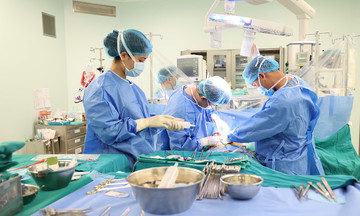
Master, Doctor Nguyen Le Thuy, from the Center for Reproductive Support at Tam Anh General Hospital Hanoi, stated that fertility is influenced by many factors such as age, health, and living environment, with daily habits and lifestyle playing a significant role. During the Tet holiday, changes in daily routines, diet, and rest can affect hormonal balance, egg and sperm quality, thereby impacting the ability to conceive.
Staying up late
Late nights and insufficient sleep directly affect the endocrine system, increasing cortisol levels and inhibiting the activity of the hypothalamus-pituitary-gonadal axis.
For women, endocrine disruption due to lack of sleep can lead to irregular menstrual cycles, affect ovulation, and reduce ovarian response during assisted reproductive interventions. For men, prolonged sleep deprivation also impacts libido and sexual function, reduces testosterone levels, and leads to decreased sperm count, quality, and motility. This prolonged condition can increase stress and raise the risk of metabolic diseases such as obesity and diabetes, which are detrimental to reproductive health.
Excessive sugar and fat consumption
Tet holiday foods, such as banh chung, banh tet, thit dong (jellied pork), sweets, jams, and soft drinks, contain high levels of saturated fats, sugar, and refined starches. Consuming too much of these in a short period can easily lead to weight gain, metabolic disorders, and insulin resistance.
For women, this condition can increase estrogen levels, raise the risk of gynecological infections, affect ovarian function, and disrupt ovulation, particularly in those with polycystic ovary syndrome.
For men, obesity and metabolic disorders reduce testosterone, negatively impacting spermatogenesis. A diet high in fatty foods, especially saturated fats and processed foods, also increases chronic inflammation in the body, negatively affecting endocrine activity, egg, and sperm quality.
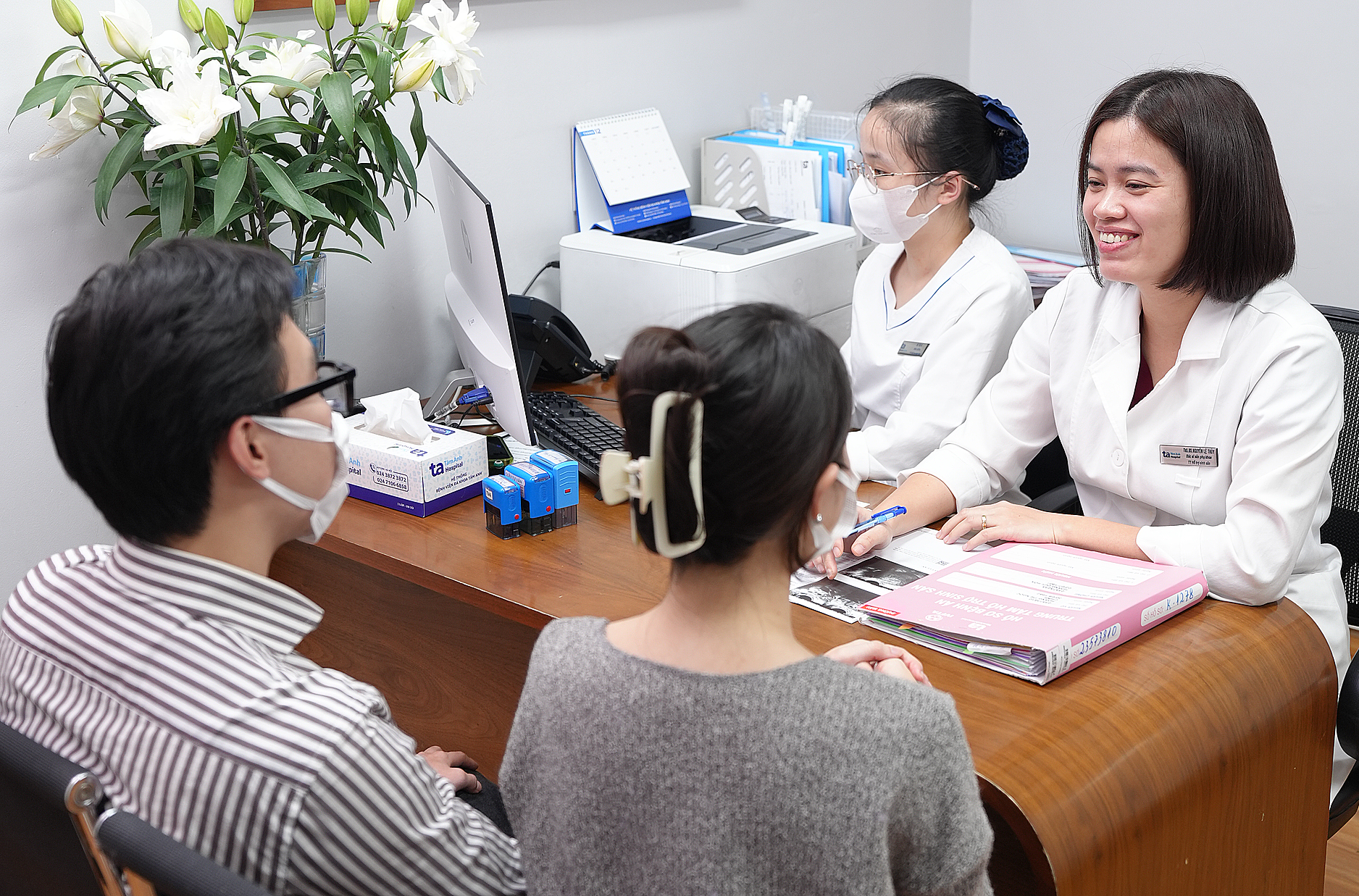 |
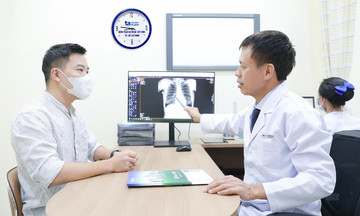
Doctor Le Thuy advises a couple. Photo: IVF Tam Anh |
Excessive alcohol and coffee consumption
Women who drink excessive alcohol may experience changes in reproductive hormone levels, such as estrogen, testosterone, follicle-stimulating hormone (FSH), and luteinizing hormone (LH), while progesterone decreases. This imbalance disrupts the menstrual cycle, affects ovulation, reduces ovarian reserve, and impairs the embryo's ability to implant in the uterus.
For men, alcohol reduces sperm quality, increases the rate of abnormalities, and can cause sperm DNA damage. Prolonged alcohol use also decreases gonadotropin secretion, leads to testicular atrophy, reduces testosterone and sperm production, and increases the risk of erectile dysfunction and premature ejaculation.
Consuming excessive coffee, strong tea, or energy drinks to combat sleepiness during Tet is also not beneficial for fertility. Research shows that consuming over 300 mg of caffeine per day can affect ovulation and reduce the chance of conception. Additionally, caffeine can decrease the contractile activity of the fallopian tubes, hindering the movement of sperm, eggs, and embryos, thereby reducing the chances of fertilization and implantation.
Limited physical activity
Many people spend most of their Tet holiday passively resting, such as watching tivi, using phones, and sitting with guests, while their food intake increases significantly. Continuous eating with limited physical activity easily leads to weight gain, inefficient blood circulation, and hormonal imbalance. This habit also increases scrotal temperature, affecting sperm production in men. For women, lack of exercise reduces insulin sensitivity, which can affect ovarian function and ovulation. A prolonged sedentary lifestyle during Tet also increases the risk of obesity and metabolic diseases like diabetes and hypertension.
Smoking
Nicotine and toxins in cigarette smoke damage reproductive cells, reduce ovarian reserve, and increase the risk of early miscarriage in women. Exposure to cigarette smoke also lowers testosterone levels, impacts testicular function, and increases oxidative stress, leading to reduced sperm motility, increased abnormalities, and DNA fragmentation.
According to Doctor Thuy, to increase the chance of conception during Tet, couples should maintain a moderate lifestyle, limit alcohol, avoid smoking, eat a balanced diet, and keep a relaxed mind. Sleeping 7-8 hours per day helps stabilize hormones and improve egg and sperm quality. Light exercise such as walking or yoga contributes to increased blood circulation, hormonal balance, and overall physical health, creating favorable conditions for conception.
Trinh Mai
| Readers can submit questions about infertility here for doctors to answer. |