According to nutritionist Hoang Dao Ngoc Lan of the Endocrinology - Diabetes Unit at Tam Anh General Clinic District 7, adopting certain morning habits can benefit overall health and aid weight loss.
Drink one to two glasses of water in the morning
Drinking water in the morning can boost alertness and support post-sleep metabolism. It helps flush out toxins accumulated overnight and stimulates kidney function to eliminate waste.
Warm water is recommended to naturally dilate blood vessels, improving blood flow to organs and cells throughout the body. For weight loss, consuming a glass of water before breakfast can create a feeling of fullness, reducing food intake, boosting metabolism, and burning calories.
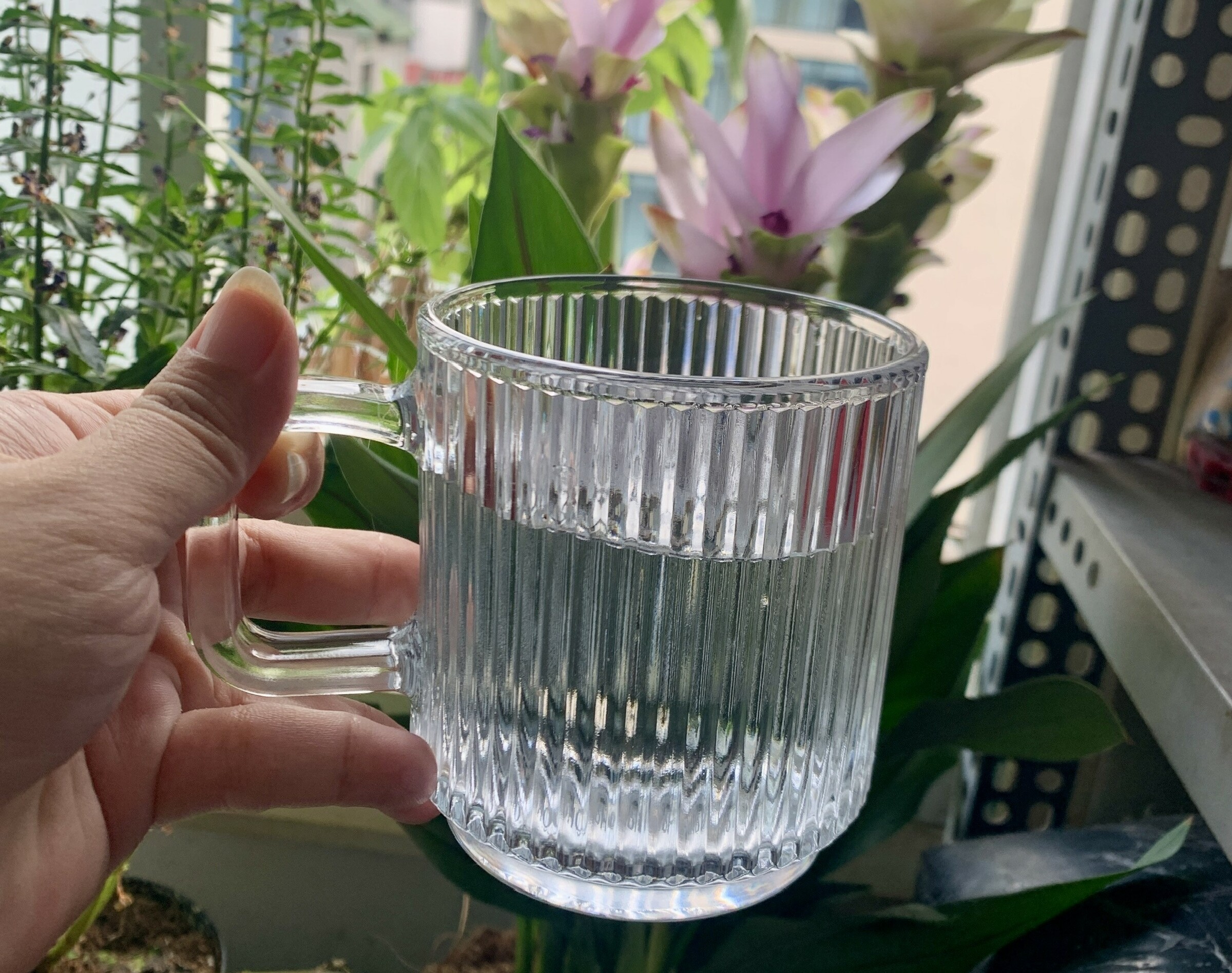 |
Morning water intake benefits health and aids weight loss. *Duc Hanh* |
Engage in light exercise before breakfast
Exercising on an empty stomach in the morning prompts the body to utilize stored energy, particularly fat. This process leads to greater fat burning compared to exercising after breakfast.
Pre-breakfast exercise can also help control blood sugar and enhance fat burning. However, individuals aiming for weight loss should opt for light activities such as brisk walking, yoga, or gentle jogging, avoiding strenuous workouts before consuming any energy.
Eat a healthy breakfast
A nutritious breakfast, comprising protein, fiber, and healthy fats, helps maintain stable energy levels and control cravings throughout the day. Skipping breakfast or consuming unhealthy foods often results in overeating at later meals, diminishing weight loss efforts.
Eat slowly and chew thoroughly
Eating quickly prevents the body from receiving satiety signals from the brain in time, often leading to overeating. Conversely, eating slowly and chewing food thoroughly promotes a lasting feeling of fullness, which reduces overall calorie intake. This practice also improves digestion and nutrient absorption, helping the body burn energy and support weight loss more effectively.
Duc Hanh
| Readers can submit questions about endocrine diseases here for doctors to answer. |