Many people skip breakfast, opting for a cup of pure black coffee to cut calories, believing that a sugar-free drink will not affect blood sugar. However, Doctor Kainuma Meng from Japan warns that drinking coffee on an empty stomach can still cause significant blood sugar fluctuations, especially in those under pressure, lacking sleep, or with poor metabolic function.
A common misconception is that blood sugar only rises with carbohydrate or sugar intake. In reality, endogenous hormones directly influence this metric. Upon waking, the body naturally releases cortisol and adrenaline to promote alertness, simultaneously increasing blood pressure and blood sugar. Consuming caffeine at this moment stimulates the sympathetic nervous system, synergizing with cortisol to prompt the liver to release more glucose into the bloodstream. Consequently, even without eating, blood sugar levels can still surge.
The degree of blood sugar fluctuation varies among individuals, depending on their constitution and metabolic capacity.
Doctor Kainuma Meng cites the case of a man over 40 years old who regularly drank black coffee instead of breakfast. By late morning, he often felt intensely hungry, irritable, and experienced severe post-lunch drowsiness. His fasting blood sugar levels during routine check-ups were normal, but a continuous glucose monitor (CGM) revealed his blood sugar spiked after his morning coffee before plummeting abruptly. The cause was identified as work-related stress, sleep deprivation, and poor insulin secretion, making his body overly sensitive to caffeine.
Another case involved a woman over 50 years old who fasted for long periods to lose weight, consuming only black coffee. She frequently experienced trembling hands, cold sweats, and intense cravings for sweets. This was not merely hypoglycemia due to hunger, but stemmed from a blood sugar spike after drinking coffee, forcing her body to release a large amount of insulin to process it, causing the levels to drop sharply.
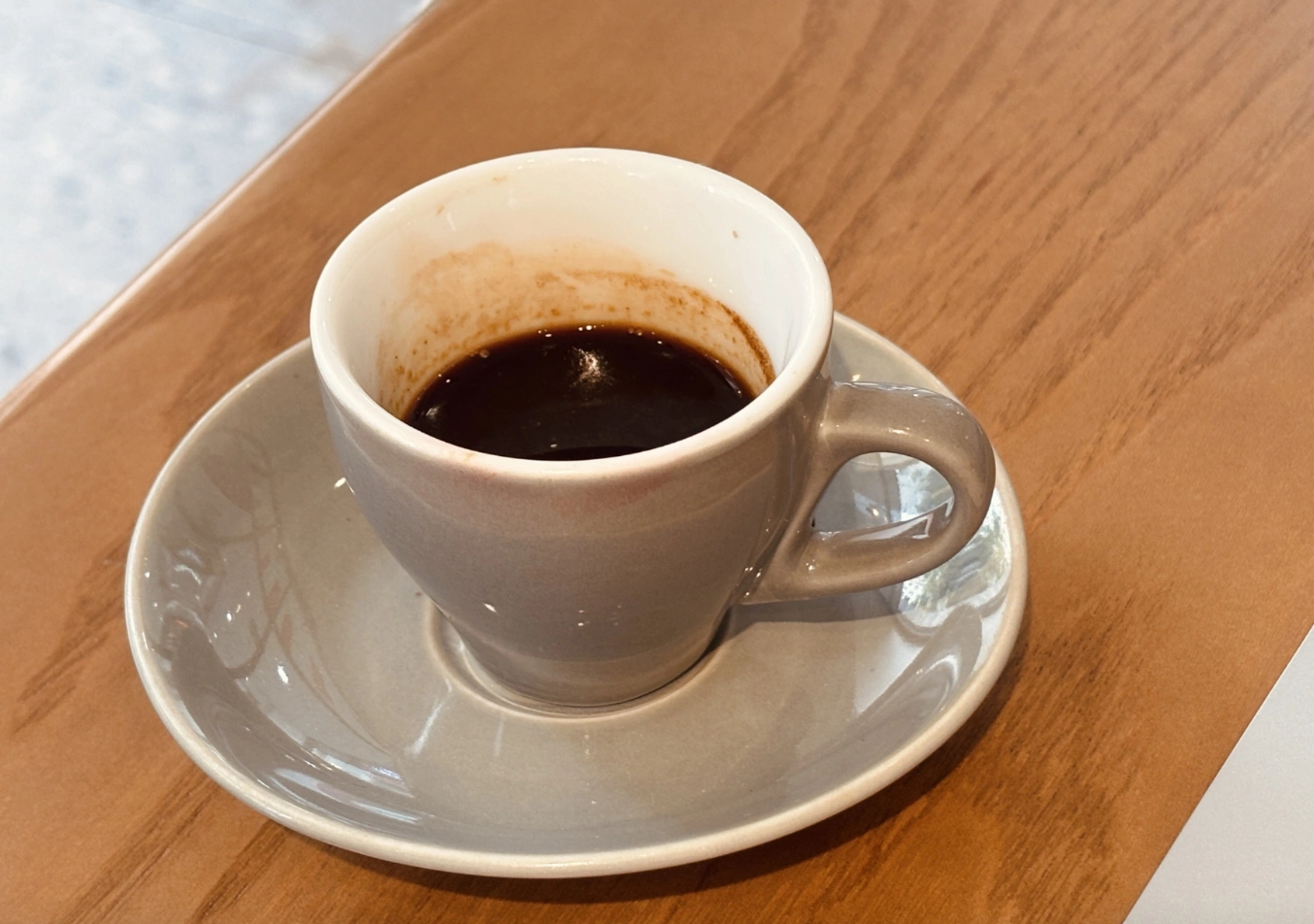 |
Drinking black coffee on an empty stomach can stimulate hormones that cause blood sugar to surge, particularly in individuals experiencing stress, sleep deprivation, or poor metabolism. Photo: Bao Bao |
Four groups most susceptible to impact:
Individuals experiencing prolonged pressure and stress.
Those with chronic sleep deprivation or poor sleep quality.
People with a family history of diabetes.
Individuals with poor insulin secretion or extended fasting periods.
According to experts, coffee is not inherently harmful; the key lies in each body's tolerance threshold. People who get enough sleep, experience less stress, and have good metabolism often suffer fewer negative effects. Conversely, when the body's self-regulation is impaired, drinking coffee on an empty stomach will cause erratic blood sugar fluctuations.
Three principles for drinking coffee to minimize blood sugar fluctuations:
Do not drink immediately after waking: Wait at least 30-60 minutes after waking before having your first cup of coffee.
Eat a snack beforehand: Consume a small amount of food such as nuts, yogurt, or half a boiled egg to reduce metabolic stimulation when hungry.
Listen to your body: If you experience symptoms like palpitations, rapid heartbeat, anxiety, or fatigue, stop drinking coffee and switch to warm water.
Drinking black coffee on an empty stomach is not a safe choice for everyone. If you frequently feel exhausted, have a racing heart, trembling hands, or mood swings in the morning, even with normal routine test results, you should adjust this habit and consult a specialist.
My Y (According to Yahoo TW)