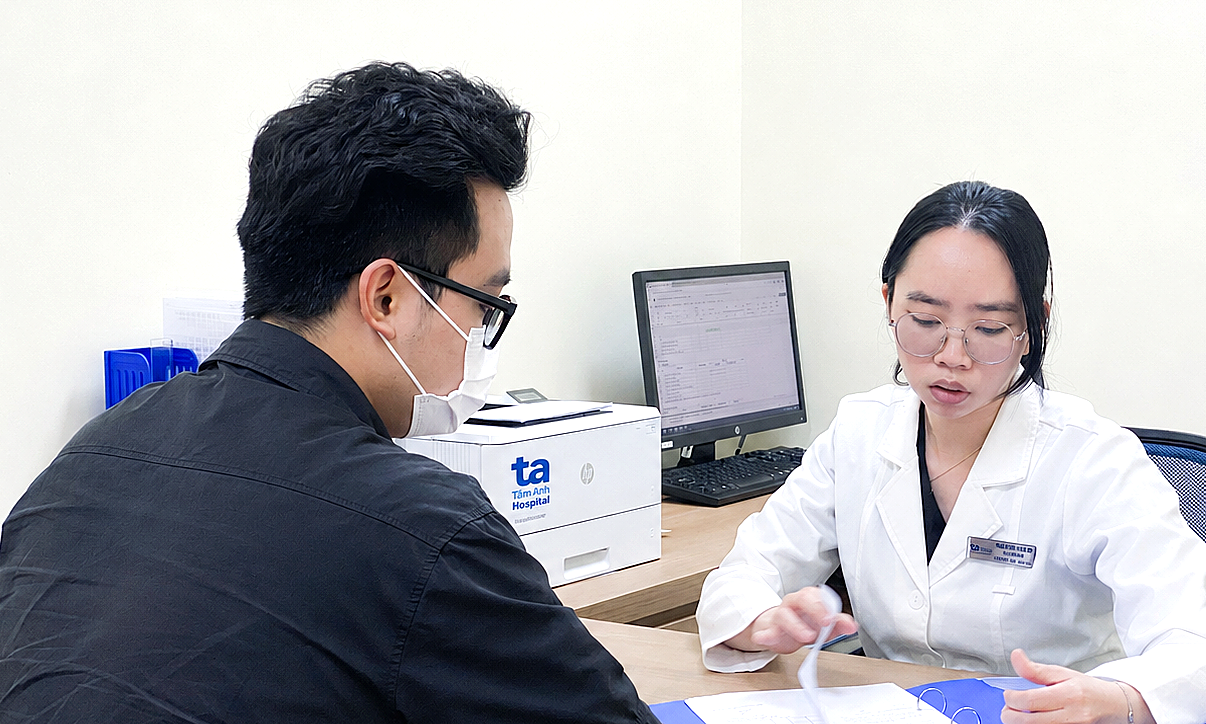
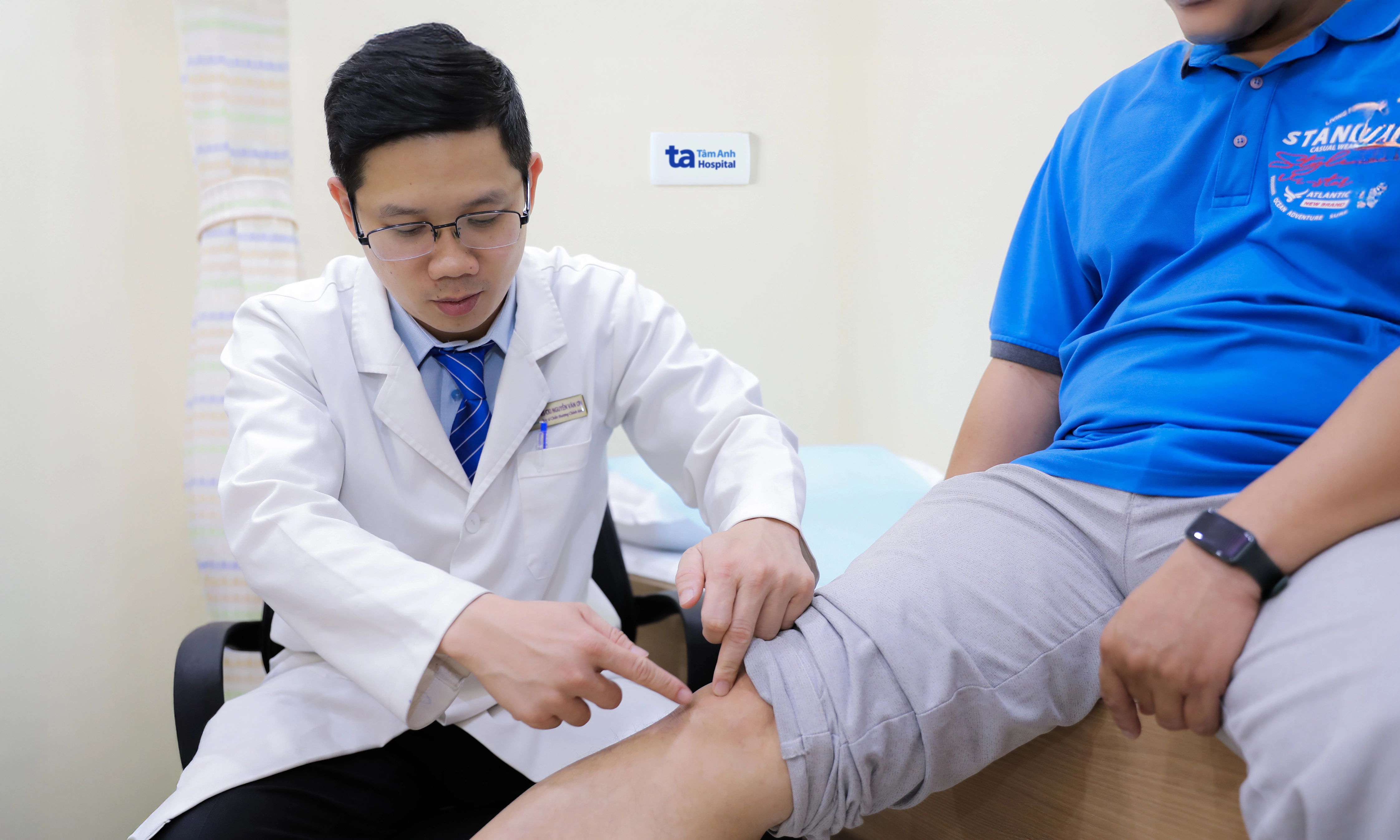
Truong's blood test results showed liver enzymes 5 times higher than normal (typically below 40 U/L). Ultrasound and liver elastography revealed grade three fatty liver, the most severe degree, and liver fibrosis (F2). Dr. Vu Phuong Thy, Department of General Internal Medicine, Tam Anh District 7 Polyclinic, diagnosed Truong with metabolic-associated fatty liver disease.
Fatty liver disease is a leading cause of liver-related illness and death. An estimated 30 million people in Vietnam suffer from fatty liver disease. High liver enzymes, fatty liver, and liver dysfunction often progress silently. By the time symptoms appear, the disease is usually in a late stage, and the liver has lost its ability to recover.
At the stage of significant fibrosis (F2), scar tissue begins to form distinctly, but the healthy liver parenchyma is still capable of maintaining liver functions well. If left uncontrolled, the disease will progress to decompensated cirrhosis (end-stage liver disease). At this point, liver function severely declines, and the widespread fibrotic structure becomes irreversible, increasing the risk of complications such as ascites and gastrointestinal bleeding due to ruptured varicose veins.
Truong frequently consumed sugary drinks, energy drinks, and coffee with excessive sugar or milk, and often stayed up late. Dr. Phuong believes these factors contributed to increased insulin resistance, lipid metabolism disorder, and fat accumulation in the liver, accelerating the damage and fibrosis of healthy liver cells.
The patient was prescribed treatment to control dyslipidemia, fatty liver, and metabolic risk factors. Simultaneously, the patient needed to adopt lifestyle changes, including reducing sugary drink consumption, limiting ultra-processed foods, increasing vegetables and fiber, maintaining at least 150 minutes of physical activity per week, getting adequate sleep, and managing weight.
After more than 6 months of treatment, his liver enzyme and blood lipid levels stabilized. Ultrasound and liver elastography results recorded a reduction in liver fat from grade three to grade one, and liver fibrosis indices improved from F2 to F1.
 |
The patient revisited after over 6 months of treatment. *Photo: Tam Anh General Hospital* |
Doctors recommend that everyone undergo 1-2 routine health check-ups annually to detect the disease early, before symptoms appear. Individuals at high risk, such as those who are overweight, diabetic, or have dyslipidemia, must adhere to their doctor's treatment regimen. Maintaining a healthy lifestyle, from nutrition to exercise habits, helps reduce the burden on the liver.
| At 8 PM on 11/6, Tam Anh General Hospital will host an online consultation program titled "High liver enzymes, fatty liver, liver dysfunction: which high-tech screening package for early detection of liver damage?". The program will feature Dr. Pham Huyen Thu, Dr. Nguyen Thi Hong Khang, and Dr. Vu Phuong Thy from the Department of General Internal Medicine. Readers can submit questions here for consultation. |
Thao Vy
*Character's name has been changed