Longan is rich in potassium, iron, and vitamin C, all beneficial for the immune system. However, Specialist Nguyen Trung Hieu from the Department of Nutrition at Tam Anh General Hospital Hanoi, highlights common mistakes in eating longan that can diminish its nutritional value and pose various health risks.
Not washing the fruit and biting the skin directly
Many people often assume that since only the pulp inside the longan is consumed, there is no need to clean the skin. However, longan skin can harbor dirt, mold, insects (such as mealybugs), and pesticide residues. Failing to wash the fruit thoroughly or biting directly into the skin can expose the oral mucosa to toxins, or transfer bacteria from hands and the skin to the longan pulp, potentially leading to allergies or intestinal infections.
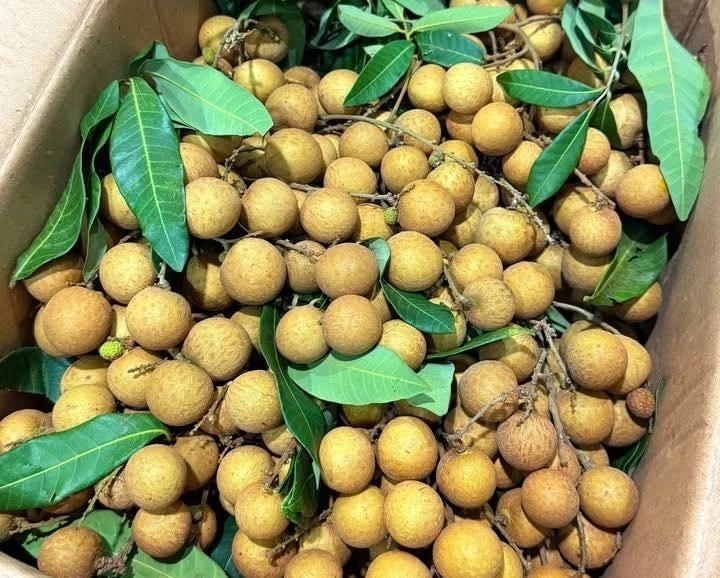 |
Longan is a sweet fruit loved by both adults and children. Photo: Thu Huong
You should wash longan under clean running water to remove most dust and microorganisms. Soaking the fruit in diluted saltwater for about 10 minutes can provide additional cleaning. Always peel longan using your hands or a tool, and avoid biting the skin with your teeth.
Eating too much at once
Consuming excessive amounts of longan forces the body to expend significant energy to metabolize the large sugar load, generating surplus heat. This can lead to issues like acne, canker sores, and bloating.
The sugar in longan is fructose, which is metabolized exclusively in the liver. Eating too much longan overloads the liver, causing it to convert excess sugar into fat that accumulates in cells. If not fully absorbed in the small intestine, some fructose from longan moves to the colon, where intestinal bacteria ferment it, producing gas. This can result in bloating, distension, and nausea.
A 100-gram serving of fresh longan pulp contains about 12 grams of carbohydrates but only about 1 gram of fiber. This composition causes blood sugar to rise rapidly after consumption. Consequently, the pancreas must continuously secrete large amounts of insulin, increasing the risk of insulin resistance.
On average, a healthy individual can consume 150-200 grams of longan per day. It is advisable to eat longan only two to three times a week, avoiding consecutive daily consumption. To manage blood sugar or weight, pay close attention to the carbohydrate content per serving. Prioritize fresh longan over canned (sugar-soaked) or dried varieties.
Eating when hungry or close to bedtime
Eating longan on an empty stomach causes sugar to be absorbed too quickly, leading to a sensation of "longan intoxication" and stomach discomfort. Consuming it close to bedtime can result in indigestion and bloating due to reduced physical activity, and excess energy is easily converted into fat. The most ideal time to eat longan is approximately one to two hours after a main meal.
Allowing young children to eat longan by themselves
Longan seeds are round, smooth, and precisely sized to fit a child's airway, posing a significant choking hazard. Children who choke on longan seeds face risks of death or a vegetative state. Parents should always peel and de-seed the fruit, and ensure children do not run, play, or lie down while eating longan.
Specialist Hieu advises individuals with gout or elevated uric acid levels to exercise caution when eating longan. Fructose in longan is a carbohydrate that stimulates the liver to produce uric acid within minutes of consumption; this effect is more pronounced in those with already high uric acid levels. Combining longan with purine-rich seafood in the same meal can easily trigger an acute gout attack.
Pregnant women, individuals with diabetes, obesity, high blood pressure, or those prone to acne also need to moderate their intake. Excessive consumption can elevate blood sugar, stimulate the body to generate heat, and worsen inflammatory conditions. For people with fatty liver disease, fructose in longan converts into fat that accumulates in liver cells, increasing the risk of progression to hepatitis and cirrhosis.
Thu Huong
| Readers can submit nutrition questions here for doctors to answer |