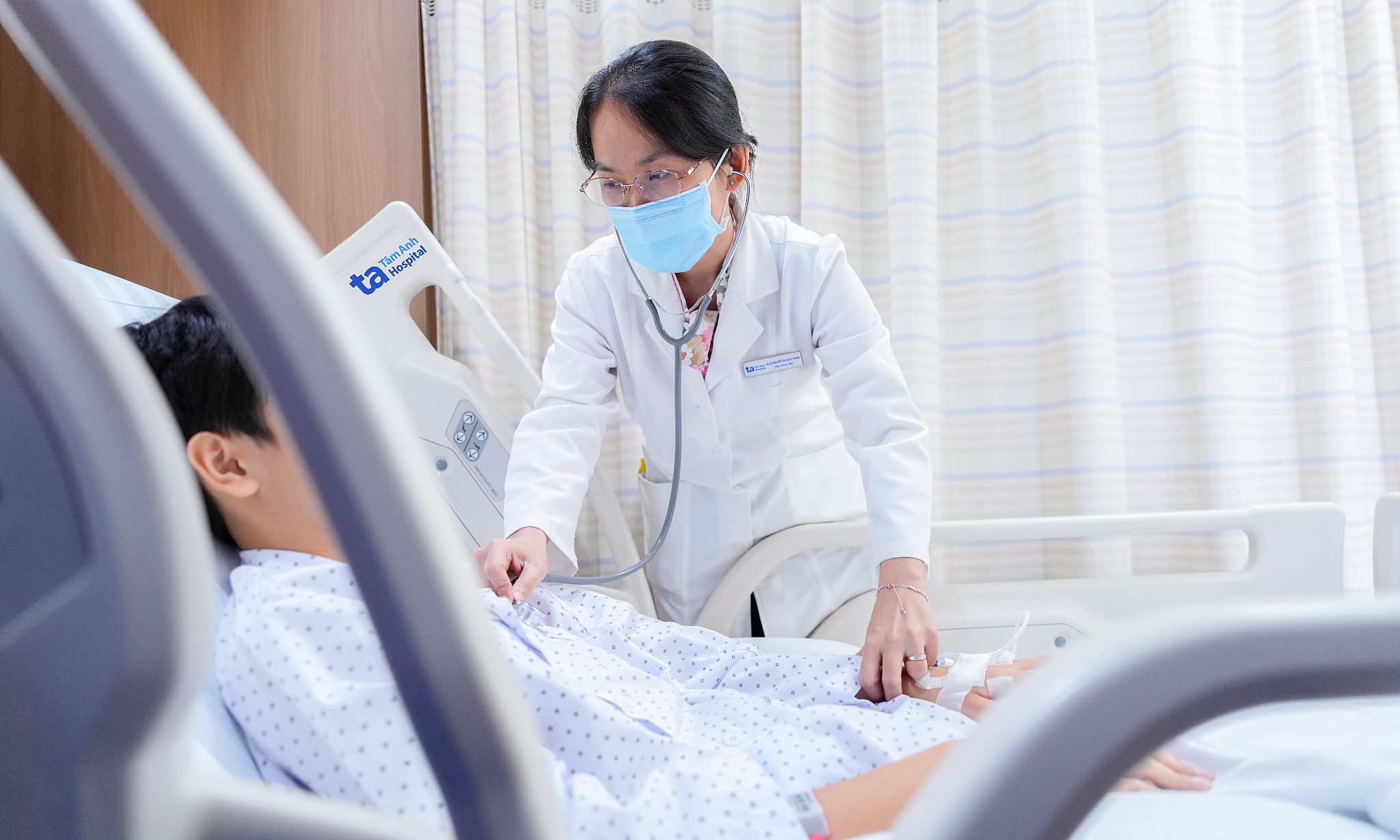
According to Nutrition Specialist Nguyen Thi Quynh from the Department of Nutrition at Tam Anh General Hospital Hanoi, anemia in pregnant women often stems from deficiencies in iron, folic acid, or vitamin B12, or from the increased demand for blood production as the fetus develops. Pregnant women with anemia frequently experience fatigue, dizziness, lightheadedness, reduced concentration, and face a higher risk of preterm birth and low birth weight infants. The following dietary strategies can help improve this condition.
Prioritize easily absorbable iron-rich foods
Iron is present in both animal and plant-based foods. Pregnant women with anemia should prioritize dishes containing beef, lean meat, eggs, fish, shrimp, liver, heart, clams, oysters. These foods contain heme iron, which the body absorbs more efficiently than iron from plant sources.
Red meat and liver, in particular, are high in iron. However, animal liver is also rich in vitamin A, so pregnant women should consume it no more than one time per week, with each serving not exceeding 85 g.
Increase dark green vegetables, beans, and nuts
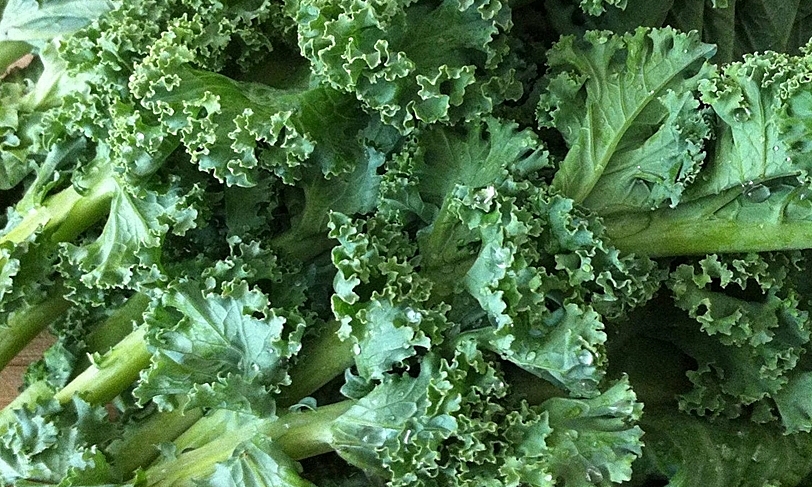
In addition to animal-based iron sources, pregnant women should incorporate dark green vegetables such as amaranth, spinach, broccoli, as well as beans, sesame, oats, pumpkin seeds, and cashews into their diet. These foods provide additional iron, folate, and various micronutrients essential for blood production.
Consume with vitamin C-rich foods
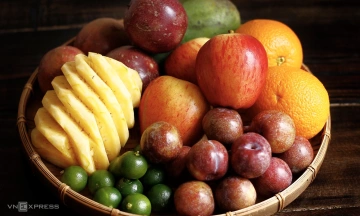
Vitamin C significantly improves the body's absorption of iron, especially plant-based iron. Therefore, pregnant women should eat fruits or vegetables rich in vitamin C during meals, including oranges, tangerines, grapefruit, guava, strawberries, kiwi, tomatoes, and bell peppers. A meal that includes meat, green vegetables, and fresh fruit supports iron absorption more effectively than consuming iron-rich foods in isolation.
Avoid taking iron with tea, coffee, or milk
Tannins found in tea and coffee, along with calcium in milk, can impede the body's ability to absorb iron. Pregnant women should not take iron supplements simultaneously or too closely with tea, coffee, milk, or calcium tablets. If supplementing with iron, follow prescribed instructions, typically separating it from milk and calcium supplements by at least two hours to minimize interaction.
Nutrition Specialist Quynh advises that not all cases of anemia during pregnancy can be resolved solely through diet or self-supplementation. Pregnant women experiencing severe fatigue, dizziness, rapid heartbeat, shortness of breath, pale skin or mucous membranes, or those whose anemia does not improve despite iron supplementation, should seek medical examination at a hospital to determine the underlying cause and receive appropriate treatment.
Van Anh
| Readers can submit nutrition questions here for a doctor's response |