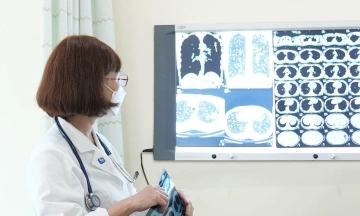
Excess body fat impairs organ function, increasing the risk of diabetes, high blood pressure, respiratory diseases, musculoskeletal conditions, and even stroke complications.
Master of Science, Doctor Nguyen Anh Duy Tung, a specialist in nutrition and dietetics at Tam Anh General Clinic District 7, states that for healthy weight and fat reduction, a diet needs good calorie control, complete nutrition, limited fried foods and fast food, and increased vegetables and fruit. Below are five common types of fruit the doctor recommends.
Watermelon
Watermelon has a sweet and refreshing taste, contains up to 90% water, and is rich in the amino acid arginine, which helps the body stay hydrated, supports enhanced insulin sensitivity, and contributes to accelerating fat burning. On average, 100 g of watermelon contains only 30 calories, making it suitable for individuals who are overweight, obese, or on a diet aiming to control cravings. Avoid making juice or smoothies to prevent fiber loss.
Guava
The abundant fiber content in guava helps regulate digestive system activity, creating a prolonged feeling of fullness. Compared to apples, oranges, or grapes, guava has a lower glycemic index (GI), which helps stabilize blood sugar levels and limits excess insulin that leads to visceral fat accumulation.
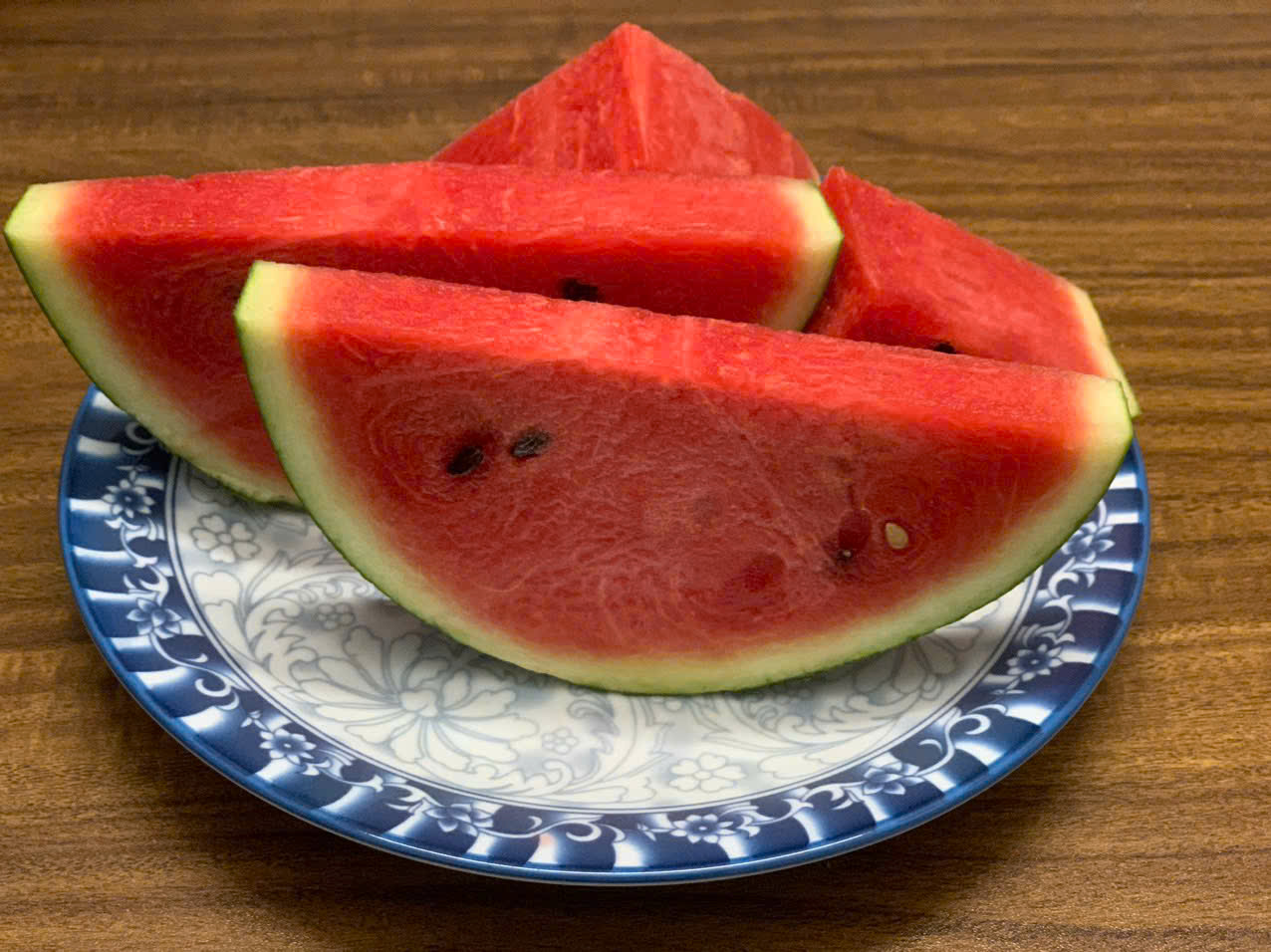 |
Eating watermelon promotes the body's fat elimination. Photo: Le Nguyen. |
Grapefruit
Grapefruit is rich in vitamin A, C, folic acid, potassium, and the antioxidant lycopene, which can improve insulin resistance, thereby helping the body metabolize energy efficiently, limiting weight gain and visceral fat accumulation. In the long term, this contributes to preventing chronic diseases, neurodegeneration, and cardiovascular conditions. Incorporating grapefruit into a balanced, healthy diet helps stabilize metabolic indicators and maintain a balanced physique by improving high-density lipoprotein (HDL) cholesterol levels, reducing triglyceride levels, and C-reactive protein.
Banana
Bananas provide fiber, potassium, and vitamins, supporting digestion. On average, one banana contains about 105 calories, 3 g of fiber, and 27 g of carbohydrates. However, individuals should only consume one to two bananas per day to control calorie intake.
Tomato
Tomatoes are low in calories but rich in fiber, vitamins A, E, K, and antioxidants, which help reduce water retention in the body and combat bloating. The doctor encourages individuals aiming for weight loss to include tomatoes in their daily diet to help reduce leptin resistance – a hormone that signals to the brain that the body is full. This allows those seeking weight loss to better control their cravings.
Doctor Duy Tung encourages individuals aiming for weight loss to combine a healthy lifestyle for effective fat reduction. Physical activity (walking, jogging, jumping rope, swimming, resistance training, soccer, etc.) for about 30-60 minutes daily can burn excess calories, increase metabolism, and build muscle.
Individuals following intermittent fasting regimens, such as the 16/8 diet (restricting calorie intake for 16 hours, eating within an 8-hour window), should consult a doctor before adopting them.
Overweight individuals should undergo a nutritional examination. Body composition analysis methods using an InBody 770 machine and micronutrient testing with ultra-performance liquid chromatography (UPLC) technology help identify nutrient deficiencies or excesses. From this, doctors can advise on appropriate treatment, potentially guiding the supplementation of natural ingredients like GDL-5 (Policosanol), extracted from South American sugarcane wax, to help regulate blood lipids.
Quoc An
| Readers can send their nutrition questions here for the doctor to answer. |