Pulmonary tuberculosis is an infectious disease caused by Mycobacterium tuberculosis bacteria. The bacteria spread through the air when an infected person coughs, spits, sneezes, talks, or laughs loudly, releasing bacteria-containing particles into the environment. Individuals living in the same household, or having close contact in enclosed, poorly ventilated spaces, are at high risk of inhaling the bacteria and becoming infected.
However, living with an infected person does not guarantee tuberculosis infection. The risk of transmission depends on factors such as the bacterial load in the sputum, duration of contact, household ventilation, the patient's treatment process, and the immune resistance of those in contact. Families can significantly reduce this risk if your father follows the correct treatment regimen and everyone implements preventive measures at home.
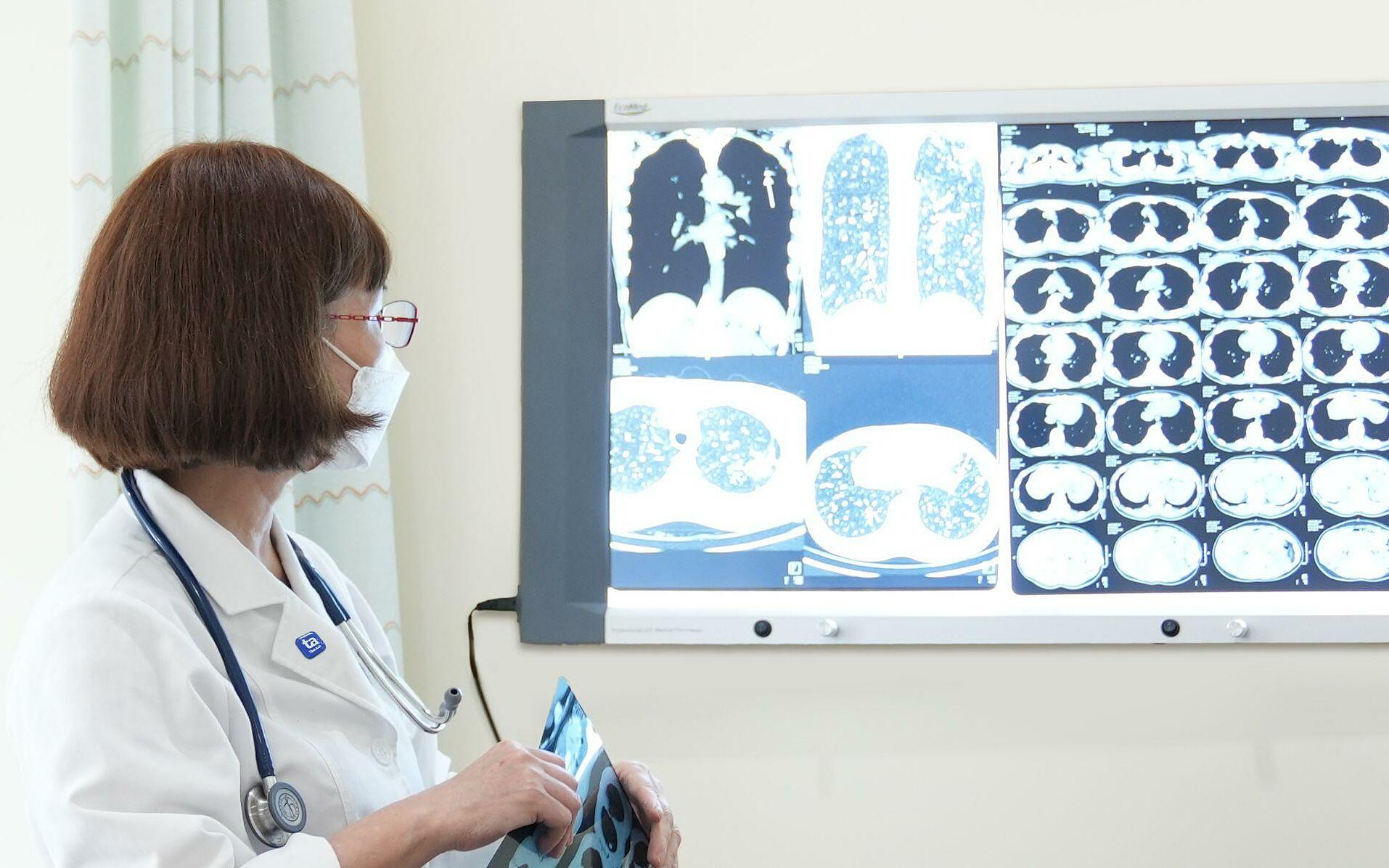 |
A doctor examines a lung X-ray of a tuberculosis patient. Illustration: Tam Anh Cau Giay General Clinic
First, your father needs to take tuberculosis medication exactly as prescribed: the correct regimen, sufficient dosage, and on time according to the doctor's instructions. Do not stop medication prematurely when cough symptoms improve or when feeling better, as this can prolong the illness and increase the risk of transmission. The likelihood of transmission typically decreases significantly after effective treatment; a doctor should assess this based on symptoms and sputum tests.
During the infectious stage, the family should arrange for the patient to stay in a separate room if conditions permit. This room needs open windows, natural light, and good ventilation; avoid continuous use of sealed air conditioning. The patient needs to wear a mask when interacting with others, cover their mouth when coughing, spit sputum into tissue paper or a lidded container, dispose of it properly, wash hands frequently, and avoid indiscriminate spitting.
Household members living with a pulmonary tuberculosis patient should undergo screening, especially if they experience symptoms such as a cough lasting over two weeks, low-grade fever in the afternoon, night sweats, fatigue, weight loss, chest pain, or coughing up blood. A doctor may order a chest X-ray, sputum tests, or latent tuberculosis infection checks depending on the individual case. Children and immunocompromised individuals require early assessment even without symptoms.
Your family should speak directly with your father's treating doctor to understand the patient's current stage, the extent of infectivity, and the required duration of home isolation. Preventing tuberculosis transmission helps protect family members, allows the patient to undergo treatment with peace of mind, and avoids feelings of stigma.
Master of Science, Doctor Dao Phuong Thuy
Respiratory Unit
Tam Anh Cau Giay General Clinic
| Readers can submit questions about respiratory illnesses here for a doctor's response |