Blood cancer is a group of malignant diseases. Vietnam records about 10,000 new cases annually, accounting for 6% of all cancer cases, with an increasing trend in recent years.
While no direct cause for blood cancer has been definitively identified, several factors can increase the risk of developing the disease. These include exposure to radiation, repeated exposure to certain chemicals (such as benzene), infection with virus HTLV1 or HTLV2, and genetic conditions like Down syndrome.
Furthermore, a diet high in fatty foods and processed meats, a sedentary lifestyle, and frequent late nights can weaken the immune system. This reduces the body's ability to detect and eliminate abnormal cells, increasing the frequency of mutations and creating conditions conducive to the formation and progression of blood cancer.
 |
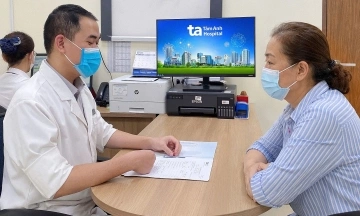
Doctor Thanh advises a patient. Illustration: Tam Anh General Hospital
Sedentary habits, a high-fat diet, and smoking also contribute to increased bad cholesterol and high blood pressure, raising the risk of stroke and myocardial infarction (heart attack). Hasty eating, skipping meals, late-night eating, irregular meal times, or excessive consumption of milk tea, soft drinks, and alcohol can damage the stomach lining, leading to gastritis, peptic ulcers, and digestive disorders. These conditions further increase the frequency of mutations and weaken the immune system, fostering the development and progression of various cancers, including blood cancer.
To maintain good health and reduce cancer risk, adopting a scientific lifestyle is crucial. Key recommendations include:
- Prioritize sleep: Go to bed early and get seven to eight hours of sleep each night, avoiding late nights past 23h. Turn off phones, computers, and tablets 30 minutes before bed for easier and deeper sleep.
- Embrace a balanced diet: Consume a variety of vegetables, tubers, and fruits. Reduce sugar intake by limiting milk tea, soft drinks, alcohol, fast food, refined carbohydrates, and fried dishes. Drink two liters of water daily.
- Engage in regular physical activity: Exercise for at least 30-45 minutes every day and avoid prolonged sitting.
- Manage stress and foster social connections: Actively manage stress and enhance social engagement by meeting friends in person rather than relying solely on online interactions.
- Undergo annual health check-ups: Regular check-ups, at least once a year, help detect any abnormalities early, allowing for timely treatment.
Doctor Nguyen Quoc Thanh
Deputy Head of Hematology and Blood Transfusion Unit
Tam Anh General Hospital System