Joint injection is a medical technique used to deliver medication directly into a joint to treat various conditions and alleviate symptoms. The term "bone rot" is a common folk expression for osteoporosis. Patients face an increased risk of osteoporosis with long-term oral or intravenous use of potent anti-inflammatory corticosteroids. Moreover, the prolonged misuse of local corticosteroid injections or incorrect injection procedures can lead to complications such as joint cartilage damage, tendon rupture, infection, subcutaneous fat atrophy, and skin discoloration at the injection site.
Corticosteroid preparations for joint or tendon sheath injections typically involve a moderate dosage and should not exceed three injections per year at a single site. Therefore, corticosteroid injections must be strictly administered under a doctor's guidance to ensure treatment efficacy and prevent potential complications.
 |
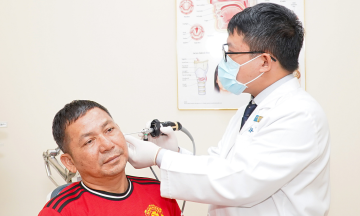
Doctor Phuong assesses the joint function of a patient. Illustration: Tam Anh General Clinic District 7
Many types of joint injection medications and preparations are available, each with varying dosages, mechanisms of action, indications, and contraindications. Doctors determine the appropriate medication and dosage based on the specific condition and patient profile. Beyond corticosteroids, common injectable treatments include: hyaluronic acid, platelet-rich plasma (PRP), and stem cells.
When injected into joints, hyaluronic acid reduces friction, provides mechanical cushioning, and lessens pressure on cartilage. It also offers anti-inflammatory and antioxidant benefits, protecting cartilage cells and supporting the restoration of endogenous hyaluronic acid synthesis.
Platelet-rich plasma (PRP) therapy involves drawing venous blood, processing it with anticoagulants, and centrifuging to isolate platelet-rich plasma for injection into tendons and joints. The growth factors within PRP, along with stem cell injection therapy, can stimulate tissue healing, reduce pain, and restore tendon and joint function. This approach is frequently employed for musculoskeletal tendon and ligament conditions, osteoarthritis, and sports injuries.
To effectively manage pain and protect joint health, it is advisable to consult a doctor for a direct assessment and a tailored treatment plan, thereby preventing adverse health effects.
Dr. CKI Nguyen Thi Bich Phuong
Specialist in Internal Musculoskeletal
Tam Anh General Clinic District 7
| Readers can submit questions about musculoskeletal conditions here for a doctor's response. |