A late dinner after a long workday or a few snacks before bed might feel comforting. However, the timing, amount, and type of food chosen can significantly affect sleep quality throughout the night.
Research highlights the connection between daily diet and sleep quality. A study titled "Impact of daily diet on sleep quality", published in Nature Health in August, indicated that food consumption and eating times are linked to measurable changes in sleep on the same night. Specifically, high-energy meals consumed around 6 hours before bedtime were associated with shorter sleep durations and poorer sleep quality.
Another study, published in the Journal of Health, Population and Nutrition in 2024, also noted that late and frequent eating throughout the day correlated with lower sleep quality. It is important to remember that these are primarily observed correlations, meaning a single food item does not necessarily cause insomnia for everyone.
Here are dinner habits that can disrupt sleep:
Eating too much close to bedtime
After a large meal, the digestive system intensifies its activity just as the body prepares for rest. Feelings of fullness, indigestion, or heartburn can make it difficult to lie comfortably, prolong the time it takes to fall asleep, or cause awakenings during the night.
Eating a heavy meal and lying down immediately can also exacerbate reflux symptoms in individuals already prone to the condition. Symptoms such as heartburn, coughing, hoarseness, or a sour taste in the mouth may appear or worsen when lying down.
The US Centers for Disease Control and Prevention (CDC) advises avoiding large meals before sleep. Individuals should aim to finish dinner approximately two to three hours before bedtime, adjusting this timing based on their digestive health and daily schedule.
If returning home late, it is better to eat a moderate portion rather than consuming all daily energy at the end of the day. Those who frequently eat dinner after 9 pm might prepare a small snack in the late afternoon to prevent excessive hunger and uncontrolled eating at night.
Consuming many spicy, fatty, or hard-to-digest foods
Fried and greasy foods tend to remain in the stomach longer, increasing feelings of heaviness. Spicy foods can cause burning sensations, discomfort, or worsen reflux symptoms in some individuals.
It is not necessary to completely avoid these foods. However, if you frequently experience difficulty sleeping after consuming spicy, fried, or high-fat meats, reduce your portion size at dinner and shift your favorite dishes to lunchtime.
Preparation methods also make a difference. Steamed, boiled, or pan-fried fish, meat, or vegetables with less oil are generally lighter on the stomach than deep-fried dishes. Dinner should include appropriate amounts of vegetables, carbohydrates, and protein, avoiding large plates of only meat or high-fat foods.
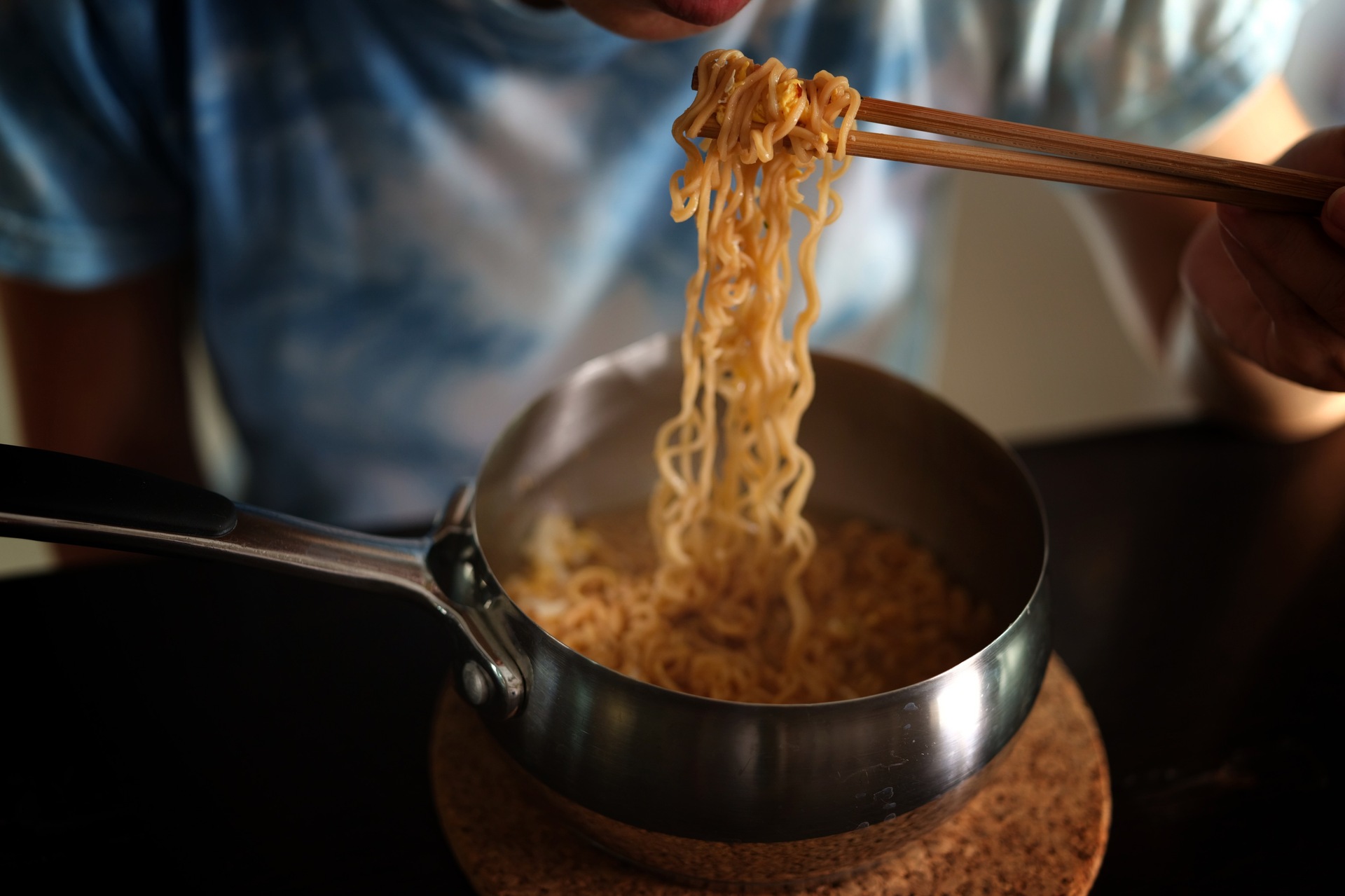 |
Late-night eating habits can cause bloating and reduce sleep quality. Illustrative photo: Vecteezy |
Eating many sweets and refined carbohydrates
Pastries, milk tea, ice cream, soft drinks, or large amounts of white rice and noodles can cause blood sugar to rise rapidly. In some individuals, subsequent blood sugar fluctuations can lead to feelings of hunger, restlessness, or waking up during the night.
Sweets also increase total daily energy intake without providing lasting satiety. If consumed regularly in the evening, this habit can contribute to weight gain and affect metabolic health – factors also linked to sleep quality.
When desiring a snack, choose a small portion of plain yogurt, milk, low-sugar fruit, or a few nuts. However, no food guarantees immediate sleep; moderate portions and individual reactions are more important than searching for a "sleep-inducing food".
Drinking coffee, strong tea, or energy drinks in the late afternoon or evening
Caffeine stimulates the nervous system, enhancing alertness but potentially prolonging the time it takes to fall asleep and reducing sleep depth. The body typically takes about five to six hours to eliminate half the amount of caffeine, and even longer in sensitive individuals.
Caffeine is found not only in coffee but also in tea, chocolate, energy drinks, some soft drinks, and pre-workout supplements. Therefore, a cup of milk tea or chocolate in the evening can also affect sleep.
Individuals who frequently experience difficulty sleeping should try stopping caffeine intake from early afternoon and monitor their sleep for one to two weeks. Do not compensate for sleep deprivation by continuously drinking coffee, as this habit can easily create a cycle: using caffeine to stay awake during the day, then struggling to sleep at night.
Drinking alcohol to aid sleep
Alcohol can induce drowsiness and help people fall asleep faster. However, as the body metabolizes alcohol, sleep can be disrupted, leading to early awakenings, thirst, headaches, or fatigue the next day.
Alcohol can also worsen snoring and sleep apnea, especially in overweight or obese individuals or those with pre-existing respiratory issues during sleep. Drinking excessive water to "detox" before bed can also cause frequent nighttime urination.
Therefore, alcohol should not be used as a sleep aid. Individuals taking sedatives, medication for chronic illnesses, or those with liver disease should discuss interaction risks and the need for alcohol avoidance with their doctor.
Drinking too much water before bed
Staying adequately hydrated throughout the day benefits health, but drinking large amounts right before bedtime can lead to frequent nighttime trips to the bathroom. This situation is often more pronounced in older adults, pregnant women, individuals with urinary tract conditions, or those taking diuretics.
Distribute water intake evenly from morning to afternoon, gradually reducing it in the evening instead of trying to catch up at the end of the day. Individuals who frequently experience nocturia, excessive thirst, swollen feet, or frequent awakenings should seek medical advice to identify the underlying cause, rather than merely reducing water intake.
Skipping dinner or going to bed overly hungry
While overeating can cause sleep problems, going to bed hungry is not a solution. Hunger pangs, low blood sugar, or food cravings can make it difficult to relax, potentially leading to waking up in the middle of the night to find food.
Even those aiming for weight loss should maintain a moderate dinner that includes sufficient vegetables, protein, and appropriate carbohydrates. If hungry before bed, a small snack can be consumed, but avoid turning it into a second full meal.
To identify which eating habits affect them, individuals can record their dinner time, meals, caffeine and alcohol intake, bedtime, and number of awakenings. A two-week log is often more useful than simultaneously eliminating multiple food groups.
Beyond dinner, it is important to maintain a relatively consistent sleep-wake schedule, limit electronic devices before bed, engage in regular physical activity, and keep the bedroom quiet and cool. If insomnia is persistent, accompanied by loud snoring, occasional breathing pauses, frequent morning headaches, or daytime sleepiness, seeking medical consultation is advisable rather than solely adjusting diet.
Factors that help protect sleep
Sleep can also be disrupted when the body is ill. Fever, aches, coughing, nasal congestion, or difficulty breathing due to infectious diseases make it hard for patients to sleep deeply; after a severe illness, fatigue and sleep disturbances can persist.
In addition to a balanced diet, regular exercise, and adequate sleep, adults should review their vaccination schedule to reduce the risk and severity of certain preventable diseases. Depending on age, underlying conditions, occupation, vaccination history, and exposure risk, individuals may need to receive or get booster shots for influenza, Covid-19, pneumococcal disease, shingles, diphtheria-pertussis-tetanus, or RSV.
Influenza vaccine, in particular, is recommended for annual booster shots. Middle-aged and older adults, or those with cardiovascular, respiratory, diabetes, kidney disease, and immunocompromised conditions, should consult their doctor about appropriate vaccines rather than following a general schedule.
A sensible dinner cannot resolve all causes of insomnia, just as vaccines do not directly guarantee good sleep. These are different components of health care: proper eating helps the body transition more smoothly into sleep, while vaccination contributes to reducing the risk of infectious diseases that disrupt health and daily life.