 |
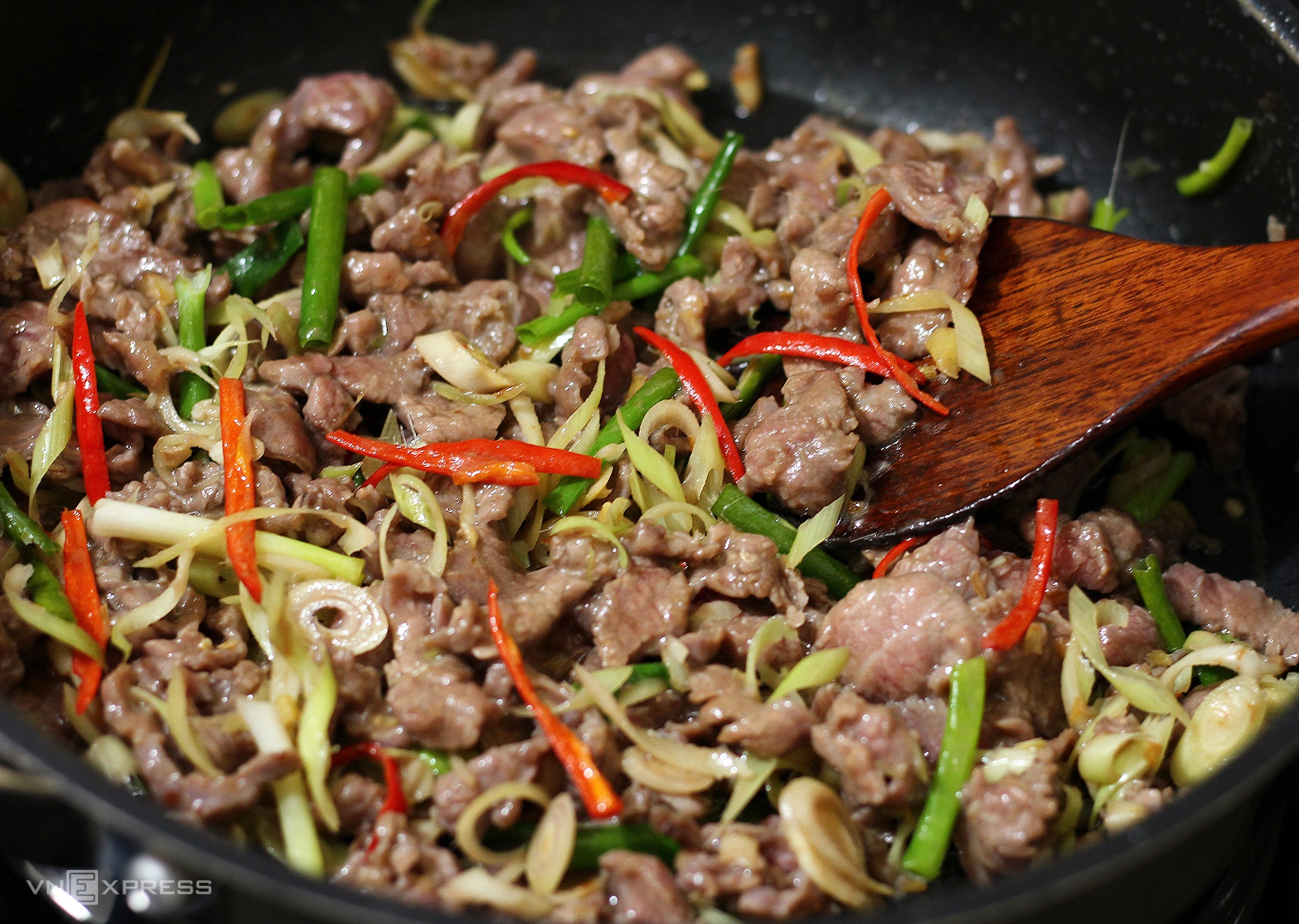
Red meat, when consumed in excess, can promote the growth of cancer tumors. High-temperature cooking methods such as grilling, roasting, or frying create heterocyclic amines (HCAs) and polycyclic aromatic hydrocarbons (PAHs). Additionally, heme iron in red meat can increase the risk of colorectal and stomach cancers. Adults should limit red meat consumption to no more than 400-500 grams per week and minimize frying or grilling.
 |
Sugar and refined carbohydrates are linked to the development and progression of several cancers, including breast, pancreatic, and colorectal cancers. Consuming excessive amounts of sugar and carbs can elevate blood sugar levels and lead to an overproduction of insulin. This creates an inflammatory response, which in turn promotes the growth of cancer cells.
 |
Processed meats, which have been salted, smoked, fermented, or undergone other processes to enhance flavor or extend shelf life, can produce carcinogenic substances. Certain processing methods, such as curing with nitrates and nitrites, can form potentially carcinogenic chemicals within the meat.
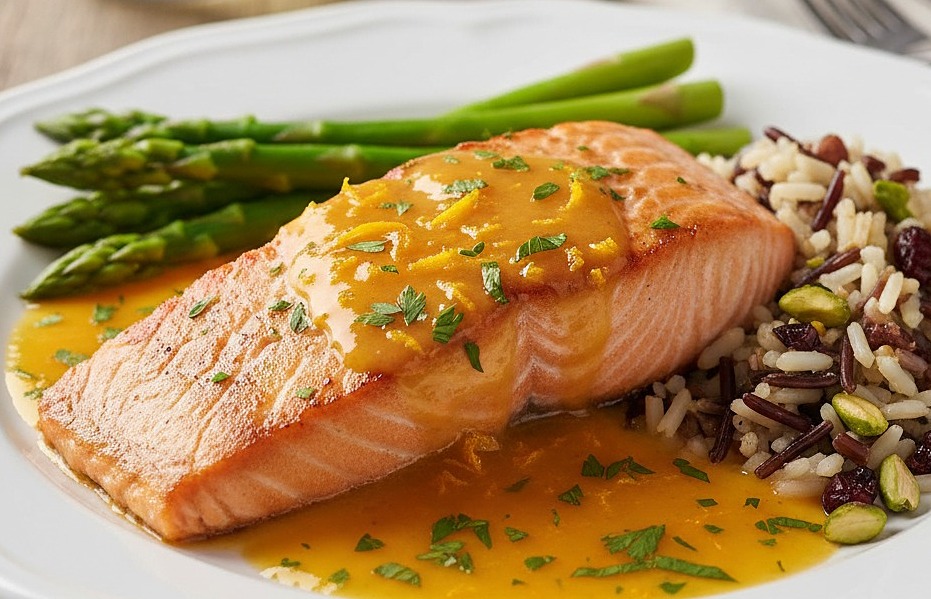 |
Fatty fish are rich in protein, promoting satiety and contributing to stable weight management, while also reducing inflammation. Varieties like salmon, herring, and sardines contain high levels of vitamin D and selenium, which are beneficial for health. They are also a rich source of omega-3 fatty acids, which help prevent inflammation and lower the risk of breast, liver, and colon cancers.
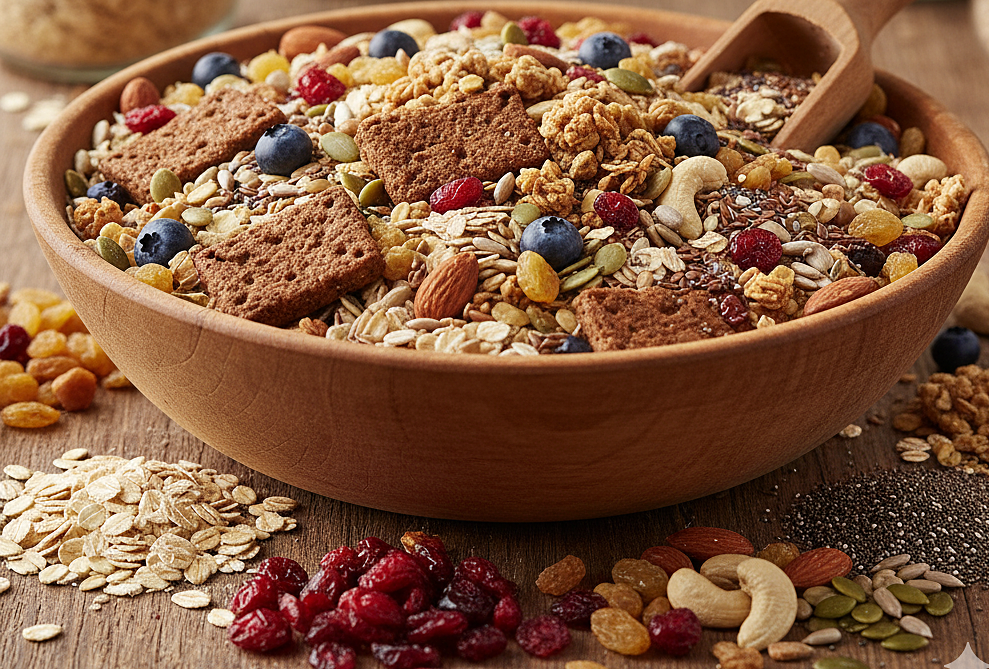 |
Nuts and legumes are nutrient-rich foods with anti-cancer properties. The fiber, resistant starch, and other compounds found in legumes support a healthy gut microbiome, offering protection against cancer. Walnuts, macadamia nuts, and almonds are packed with antioxidants such as vitamin E and selenium, along with compounds that combat free radicals, which cause cell damage leading to cancer.
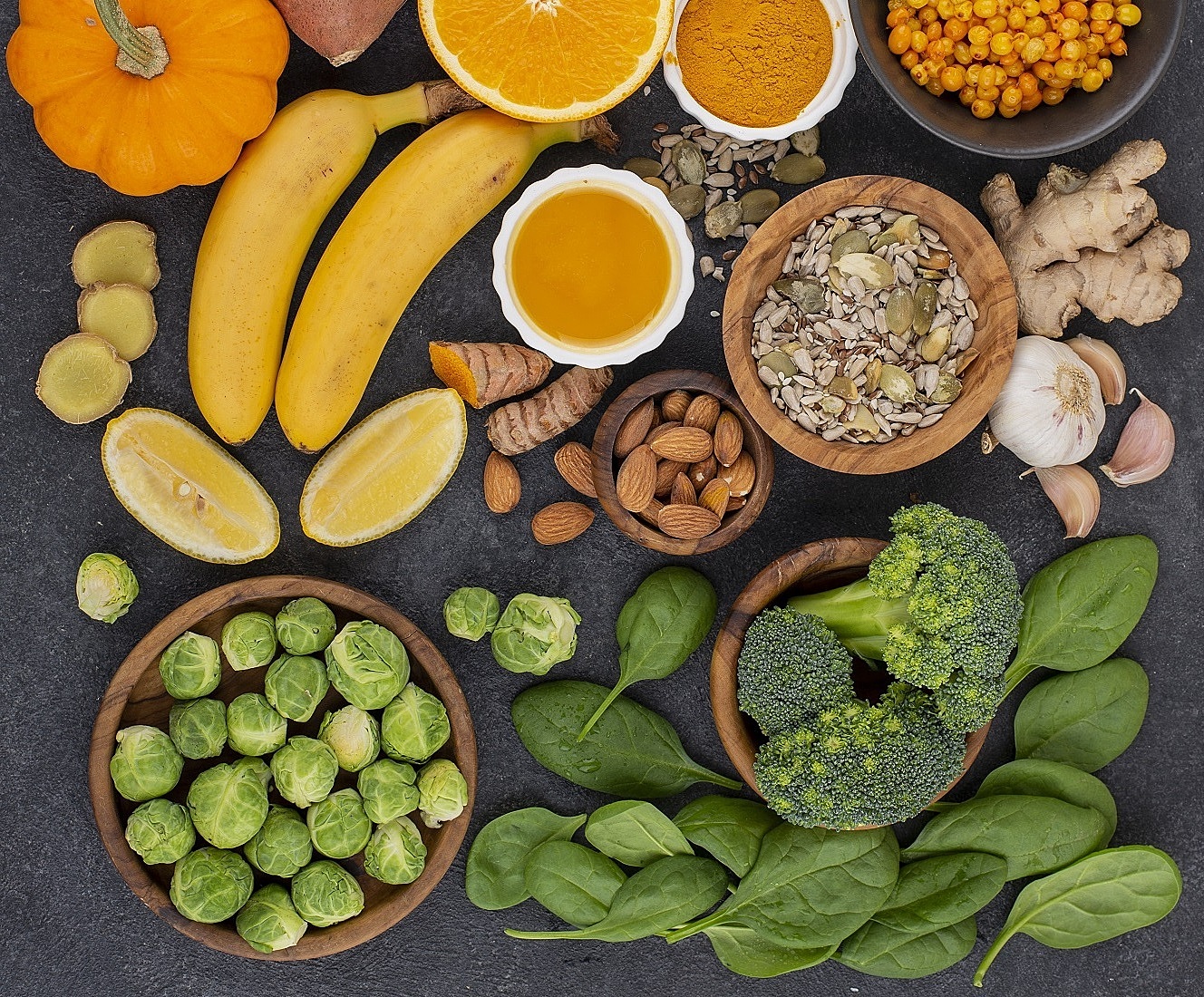 |
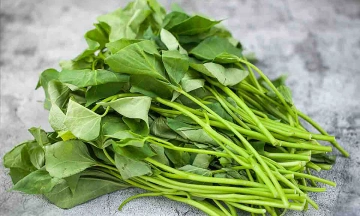
Fruits and green vegetables provide numerous nutrients that protect the body against cancer. They are an essential part of a daily diet, being rich in fiber, antioxidants, vitamins, and minerals. These components help boost immunity, reduce inflammation, and prevent cancer. Prioritize fruits such as strawberries, grapes, blueberries, apples, and guavas.
Anh Chi (Source: Very Well Health)
Photos: Anh Chi, Bui Thuy, AI