Professor Kim Yeon-su of the Department of Nephrology at Seoul National University Hospital, appearing on the YouTube channel "Books and Life" (which has over 1,11 million subscribers) on 8/7, highlighted phosphorus as a major threat to excretory system health. He explained that this ingredient, abundant in soft drinks, processed meats, and instant coffee packets, is the most detrimental factor.
"People currently consume a wide variety of processed foods, inadvertently introducing very high levels of phosphorus into their bodies", he stated.
Prolonged exposure of the kidneys to phosphorus impairs the function of renal tubule cells, which are responsible for filtering and producing urine. This ultimately leads to renal tissue fibrosis, according to the professor.
To protect kidney health, he advises consumers to prioritize natural foods like fresh vegetables and fruits over processed options. He also recommends choosing fresh meat for daily meals instead of processed alternatives such as sausages or cold cuts.
The expert also addressed a common misconception that kidney patients must drastically reduce protein intake, which often leads to malnutrition.
 |
Illustration: AP |
"An egg contains about 7 grams of protein, and patients can safely eat 5 to 6 eggs daily", he explained. However, Professor Kim cautioned that egg yolks are high in phosphorus. Therefore, patients should consume all the egg whites but limit egg yolk intake to about one per day.
Beyond dietary management, Professor Kim asserted that regular exercise significantly impacts long-term kidney health. He emphasized the importance of moderate physical activity, recommending brisk walking to the point of sweating for 30 minutes daily, totaling at least 150 minutes of exercise per week.
"Exercising at 60% to 70% of one's capacity, with a steady increase in frequency, proves far more effective than overly strenuous workouts", the expert noted.
Beyond exercise, Professor Kim also guided individuals on recognizing early bodily abnormalities. He specifically highlighted foamy urine as a typical warning sign of potential kidney issues.
"If foam persists and remains even after flushing the toilet, it indicates significant foaming and suggests the presence of protein in the urine", he explained.
Some patients, he added, experience bloody urine alongside foaming. People should also watch for other symptoms like sudden fatigue or swelling in the legs and around the eyes, which warrant prompt medical attention.
These kidney protection principles align with a healthy lifestyle, the expert noted. Individuals can effectively slow the progression of kidney function decline by consistently combining a scientific diet with moderate exercise.
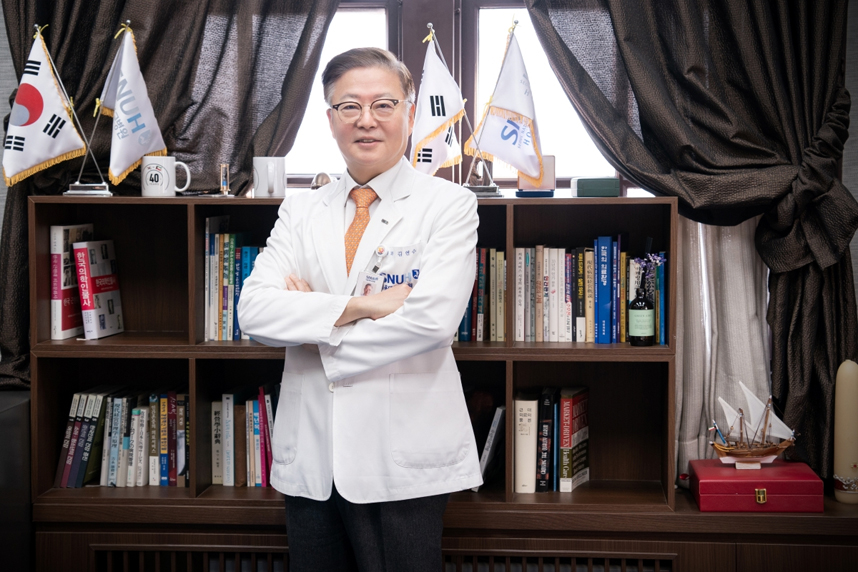 |
Professor Kim Yeon-su, Seoul National University Hospital. *Photo: Biomed* |
By Binh Minh (via Newsis)