Tonsillectomy, a surgical procedure to remove the two tonsil masses in the throat, treats chronic or hypertrophic tonsillitis that obstructs the airway. After surgery, a wound forms at the tonsillectomy site, causing pain, especially when swallowing, and the mucous membrane requires time to heal. Therefore, doctors advise patients to consume soft foods post-tonsillectomy to reduce discomfort and prevent irritation or damage to the surgical area.
Patients can typically resume a normal diet, including rice, around 10 to 14 days after surgery. However, during this period, it is crucial to avoid foods that are too hot, spicy, sour, or hard and sharp-edged. Such items can irritate the mucous membrane, increase pain, and negatively impact the surgical site.
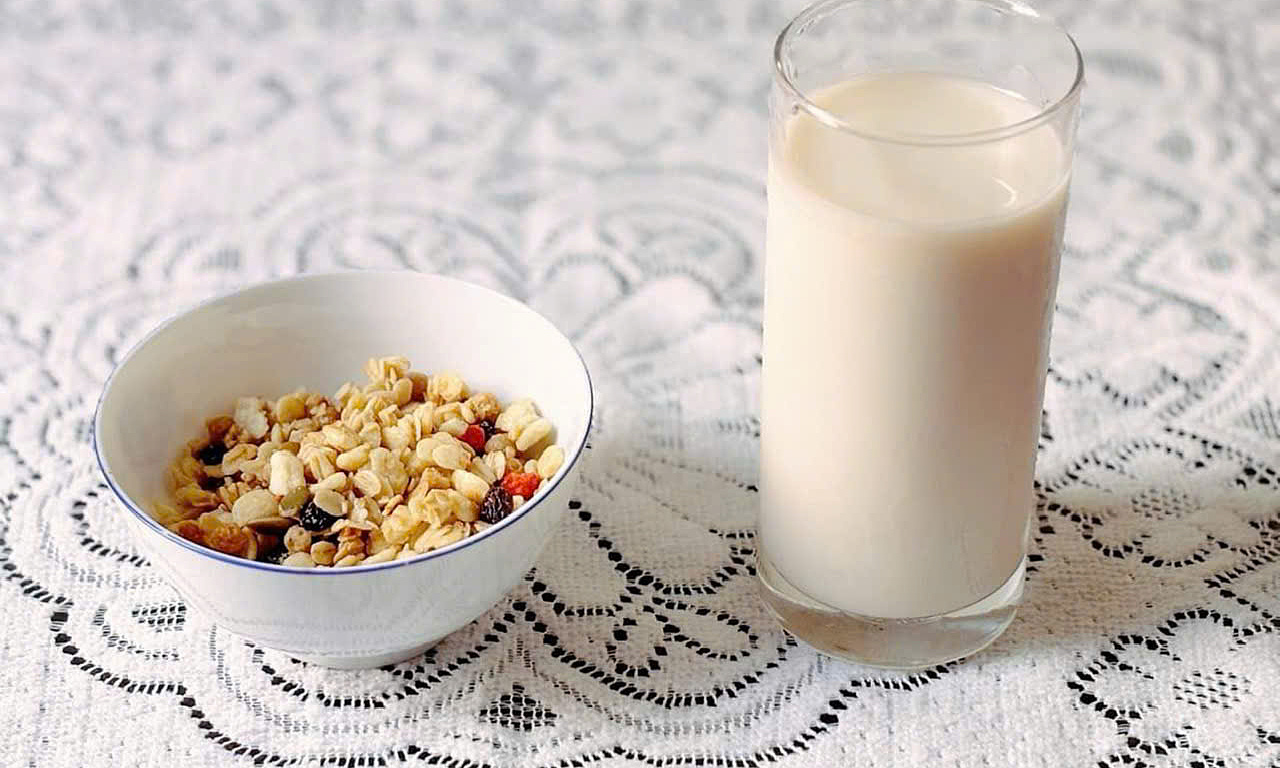
In the initial days following the procedure, prioritizing soft, liquid, easy-to-swallow foods that are not excessively hot is essential. Maintaining adequate hydration and effective pain management are also vital for recovery. Doctors may prescribe pain medication, to be taken approximately 30 minutes before meals, for severe sore throat cases.
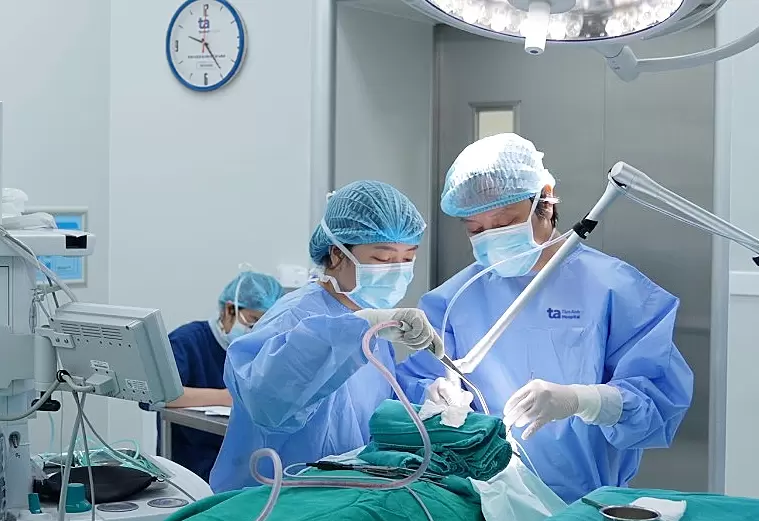 |
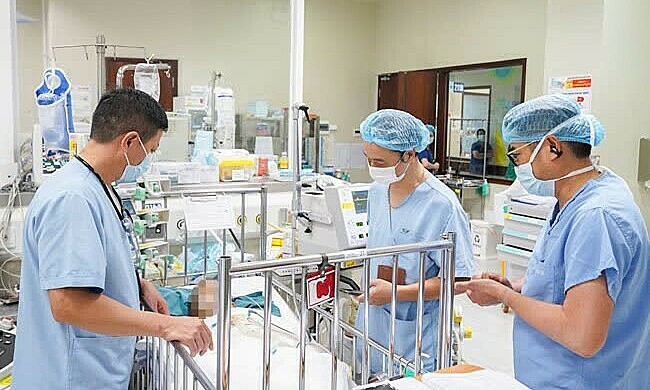
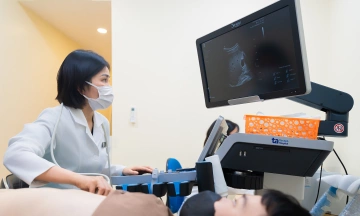
A doctor performing a tonsillectomy on a patient. *Illustration: Tam Anh General Hospital* |
The recovery time for normal eating after a tonsillectomy varies significantly among individuals, depending on factors such as age, general health, the surgical method used, and the quality of post-operative care. Children often recover faster than adults; however, due to their developing immune systems, parents must closely monitor their condition. Individuals with robust health and no underlying conditions tend to recover more favorably, while those with weaker health or co-existing medical issues often require an extended recovery period.
Different tonsillectomy techniques impact tissue and recovery times differently. For example, using coblator plasma technology can reduce surrounding tissue damage and support recovery for some patients. Adhering to the doctor's instructions regarding diet, rest, and throat hygiene also contributes to accelerating the recovery process.
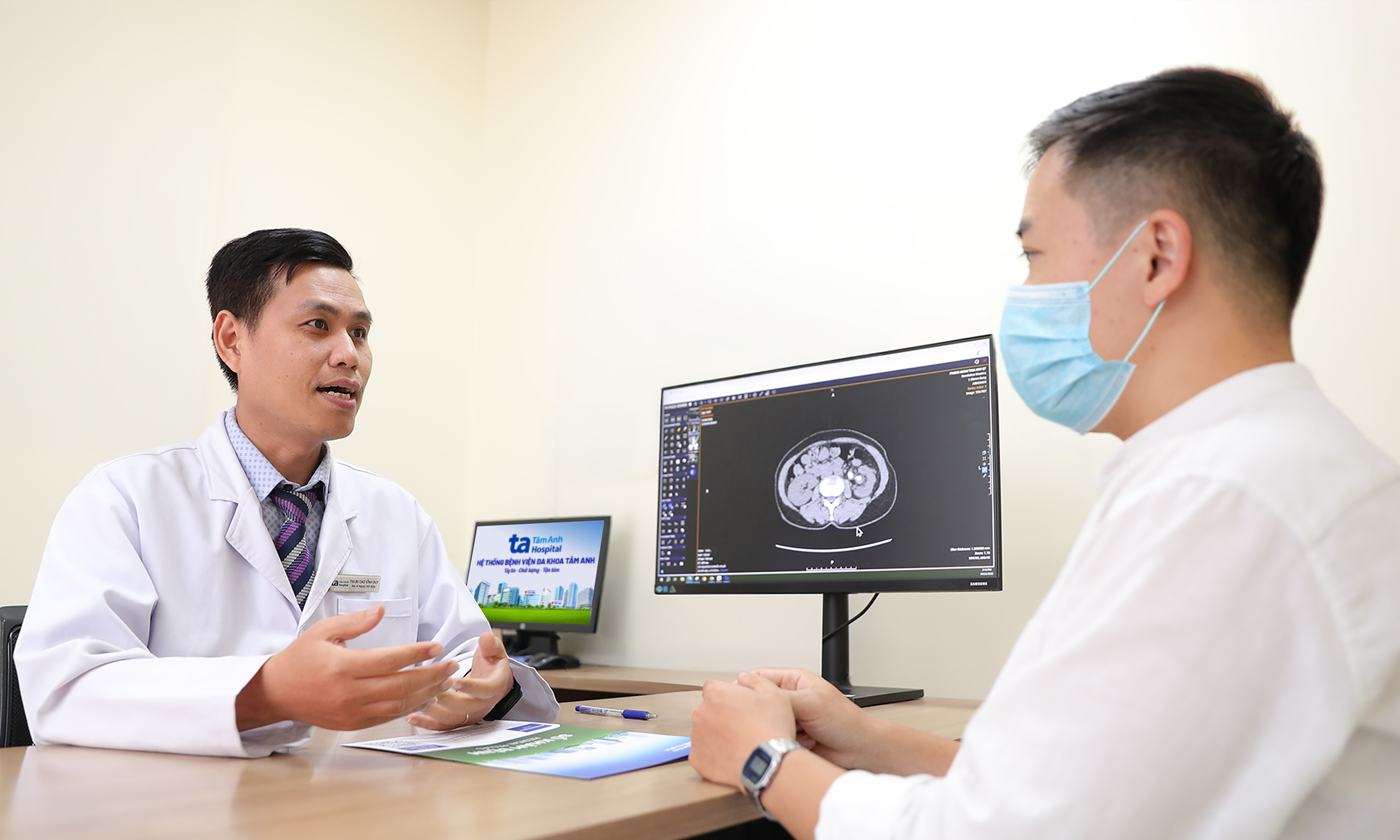
According to Dr. Tran Thi Hoa from the Department of Otorhinolaryngology at Tam Anh Cau Giay General Clinic, patients should avoid eating rice during the first seven days post-surgery. A follow-up appointment one week after the procedure is recommended for the doctor to assess recovery and provide guidance on suitable dietary adjustments for the subsequent stage.
Dr. Tran Thi Hoa
Department of Otorhinolaryngology
Tam Anh Cau Giay General Clinic
Readers can submit questions about ear, nose, and throat conditions here for doctors to answer.