Epilepsy is a chronic neurological condition characterized by recurrent seizures (convulsions or disturbances in consciousness and sensation) resulting from sudden, abnormal electrical discharges from nerve cells in the brain. The condition can manifest at any age but is more prevalent among children and adolescents.
With early diagnosis, appropriate treatment, and adherence to a suitable lifestyle, most individuals can effectively control their seizures and maintain normal academic and daily activities.
Your 16-year-old child is in a critical phase of physical and psychological development. The treatment goal is to manage seizures while helping them integrate socially and establish a healthy, long-term lifestyle. Here are some guidelines for families to support their child.
Adhere to treatment protocols and regular follow-ups
Taking anti-epileptic medication according to principles, on time, and at the correct dosage helps stabilize brain electrical activity and prevent recurrence. Do not independently stop or reduce medication, even if seizures are absent.
Attend scheduled follow-up appointments so doctors can assess seizure control effectiveness, monitor medication side effects, and adjust prescriptions to suit the adolescent's physical development. Doctors may also order periodic paraclinical tests, such as an electroencephalogram (EEG) or brain magnetic resonance imaging (MRI), to evaluate disease progression and organ function during long-term medication use.
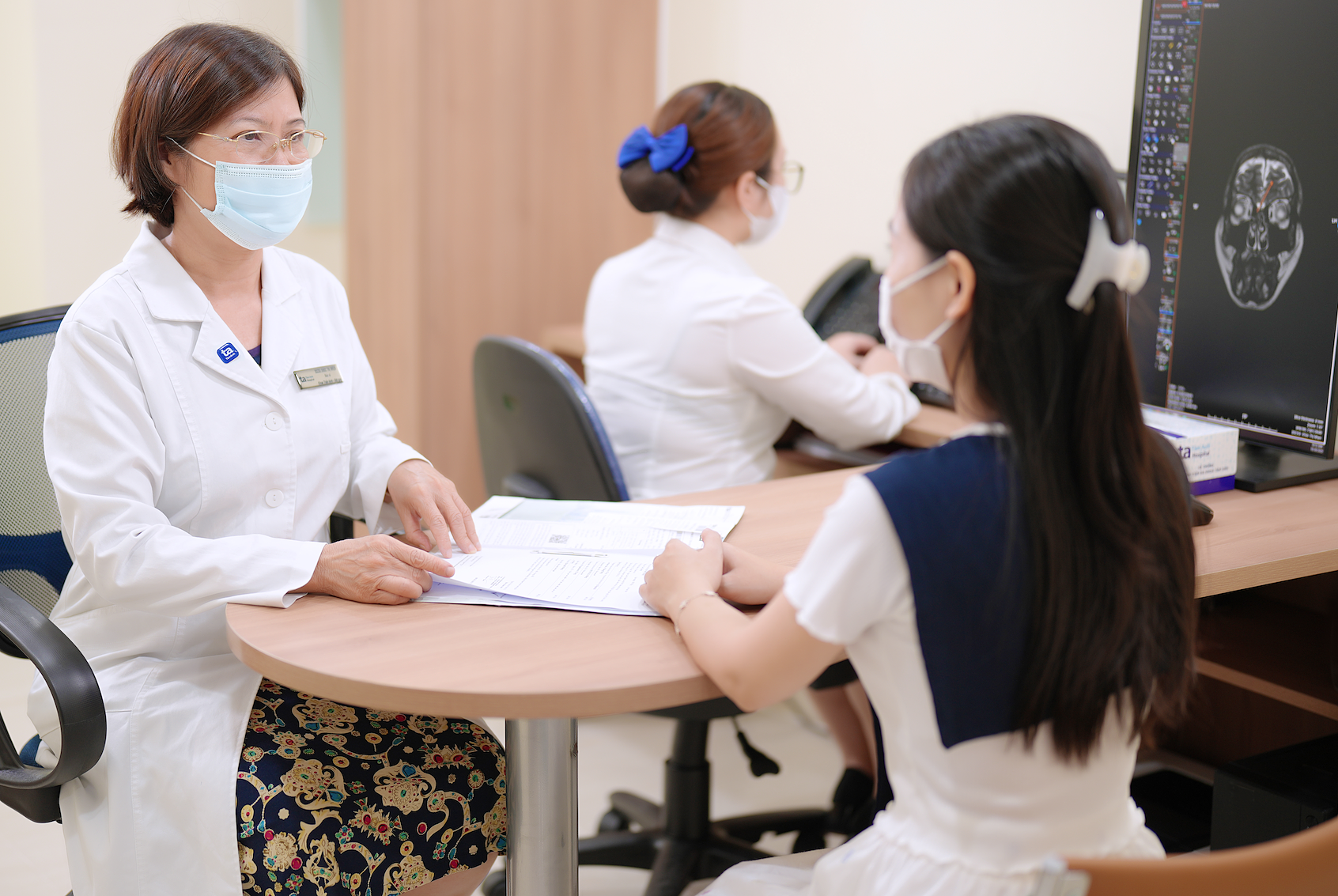 |
A doctor consults parents of a child with epilepsy. Illustration: Tam Anh Cau Giay General Clinic
Keep a seizure diary
Each patient has distinct factors that trigger seizures. Families should guide their child to record seizure details, including the time, circumstances, and duration, to help doctors optimize treatment.
Common seizure triggers in adolescents include sleep deprivation, staying up late, stress, stimulants such as alcohol, coffee, and caffeinated energy drinks, and metabolic disorders like skipped meals or fasting, which can lead to hypoglycemia. For children with photosensitive epilepsy, seizures may be triggered by prolonged exposure to gaming screens or flickering lights.
Ensure adequate sleep
Establish a balanced study schedule, avoid excessive late-night studying, and ensure 8-10 hours of sleep to protect the nervous system and brain health.
Healthy nutrition, safe physical activity
Help your child maintain a balanced, nutritious diet by including plenty of green vegetables, whole grains, and healthy proteins like eggs, fish, beans, and lean meat. It is crucial for children not to skip breakfast or become overly hungry, as hypoglycemia can increase the risk of seizures.
Regular exercise boosts brain health and reduces stress, which also aids in seizure control and prevents recurrence.
Families should teach their child self-protection instead of being overly protective. Parents should also inform the homeroom teacher or school health staff about the child's condition and instruct them on basic first aid steps for seizures.
Dr. Diem Thi Huyen, M.S.
Department of Neurology - Stroke
Tam Anh Cau Giay General Clinic
| Readers can submit questions about neurological conditions here for doctors to answer. |