Answer:
Gastroesophageal reflux disease (GERD) occurs when the lower esophageal sphincter functions inefficiently, causing stomach acid to frequently flow back up into the esophagus. The acid and other components of stomach fluid irritate the esophageal lining, leading to heartburn, acid reflux, chest pain behind the breastbone, or a feeling of a lump in the throat. In addition to medication, dietary and lifestyle adjustments play an important role in managing the condition.
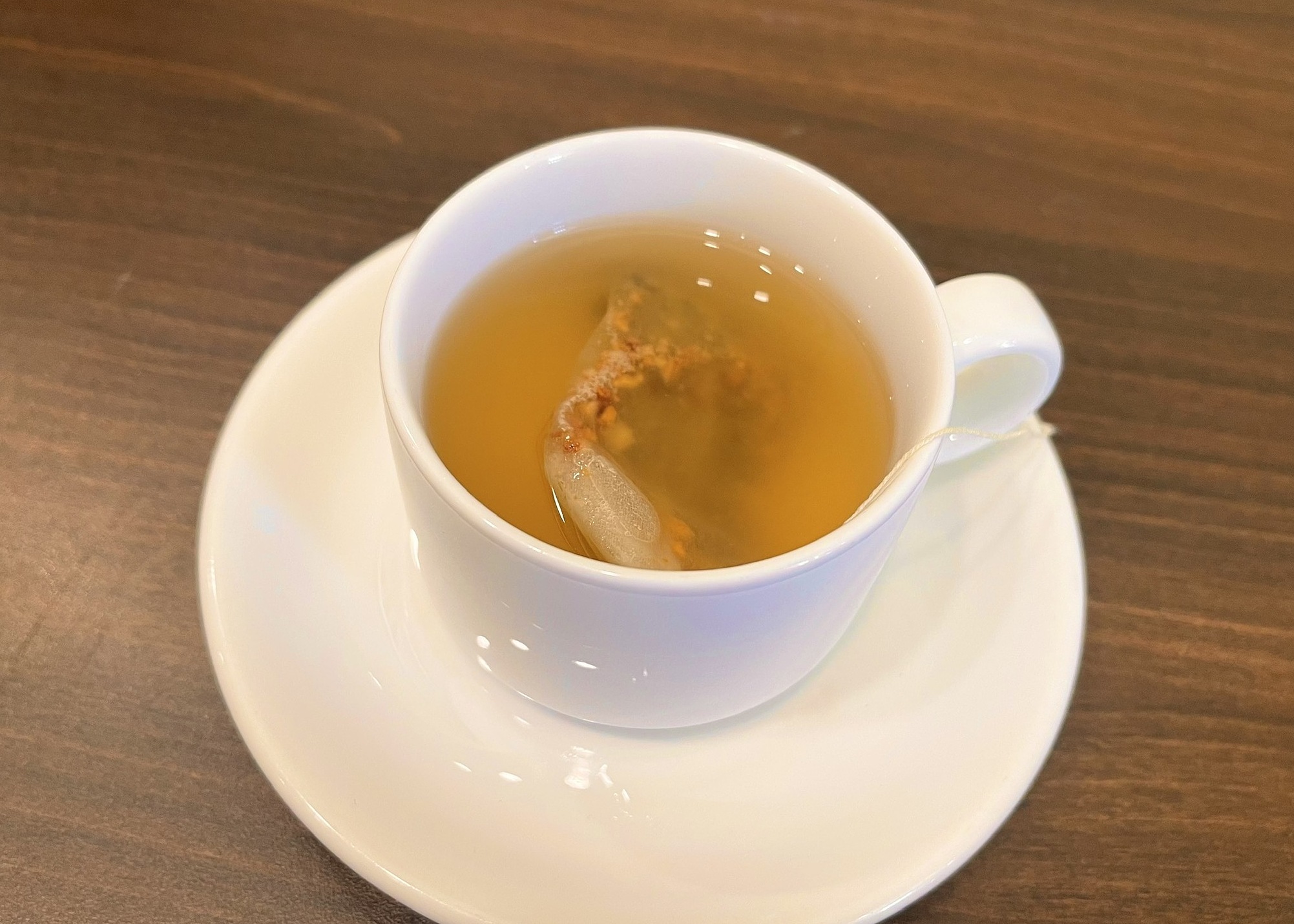
Tea is a popular beverage in Vietnam. The pH of most common teas (green tea, black tea, oolong) typically ranges from 5-5,5. In contrast, the natural pH of stomach acid is very low, approximately 1,5-2. Therefore, the acidity of tea is not strong enough to significantly alter or worsen the acidic environment in the stomach.
Each type of tea contains varying amounts of caffeine. For some sensitive individuals, caffeine can reduce the tone (relax) of the lower esophageal sphincter, while also stimulating stomach contractions or slightly increasing acid secretion. Consequently, the impact of tea depends on the type of tea, the amount consumed, and each individual's sensitivity. Instead of complete avoidance, you should monitor your body's reaction after drinking tea.
You can begin with a small amount, such as one cup of weak tea daily in the morning or afternoon, and observe your body's response. If no symptoms appear, you can continue and gradually increase the amount. If you notice reflux symptoms appearing or worsening after drinking tea, you should reduce your intake or switch to decaffeinated teas or caffeine-free herbal teas.
 |
People with gastroesophageal reflux should avoid drinking very strong tea or drinking it on an empty stomach, as this can irritate the stomach. Drinking tea that is too hot can also irritate the esophageal lining, causing more discomfort. Limit consuming caffeinated tea within two to three hours before bedtime to prevent silent reflux episodes at night.
Other foods like coffee, alcohol, carbonated soft drinks, chocolate, fatty foods, or acidic foods can also irritate and worsen reflux symptoms.
Alongside dietary changes, individuals with gastroesophageal reflux disease need to combine these efforts with lifestyle modifications, such as maintaining a healthy weight and eating many small meals. Habits like elevating the head of the bed when sleeping and walking after meals help control reflux symptoms.
If lifestyle changes and medication do not alleviate frequent heartburn, or if warning signs like difficulty swallowing or painful swallowing appear, patients should seek medical evaluation to determine the cause and receive appropriate treatment.
Master of Science, Doctor Ngo Thuy Dung
Department of Gastroenterology, Hepatology, and Pancreatology
Tam Anh General Hospital Hanoi