The spinal canal is the space running inside the spine, housing neural structures. When this space narrows, the spinal cord or nerve roots can become compressed, leading to spinal stenosis. The condition is common in middle-aged and older adults due to the aging process. Younger individuals are at risk of spinal stenosis due to herniated discs, trauma, congenital anomalies, or other medical conditions.
Doctor Nguyen Duc Anh, Head of Neurosurgery - Spine Department, Tam Anh General Hospital Hanoi, states that treatment methods for spinal stenosis are determined by doctors based on the degree of stenosis seen on MRI scans, the patient's pain level, the presence of inflammation around nerve roots, or co-existing spinal conditions.
If the patient does not have progressive muscle weakness, no neurological dysfunction, and pain is manageable, doctors often prioritize conservative treatment. The goals of conservative treatment are to reduce pain, decrease inflammation, improve motor function, maintain quality of life, and slow the progression of the disease.
Depending on the individual case, doctors may combine various treatment methods.
Lifestyle Adjustments
Patients should limit carrying heavy objects and avoid maintaining a single posture for too long, especially standing or sitting continuously for many hours. Maintaining a healthy weight also helps reduce pressure on the spine, particularly in the lumbar region.
Physical Therapy and Rehabilitation
Exercises are designed to strengthen back and abdominal muscle groups, improve spinal flexibility, reduce pressure on nerve roots, and enhance mobility. Patients should exercise under the guidance of a doctor or rehabilitation therapist to ensure suitability for each stage of the disease.
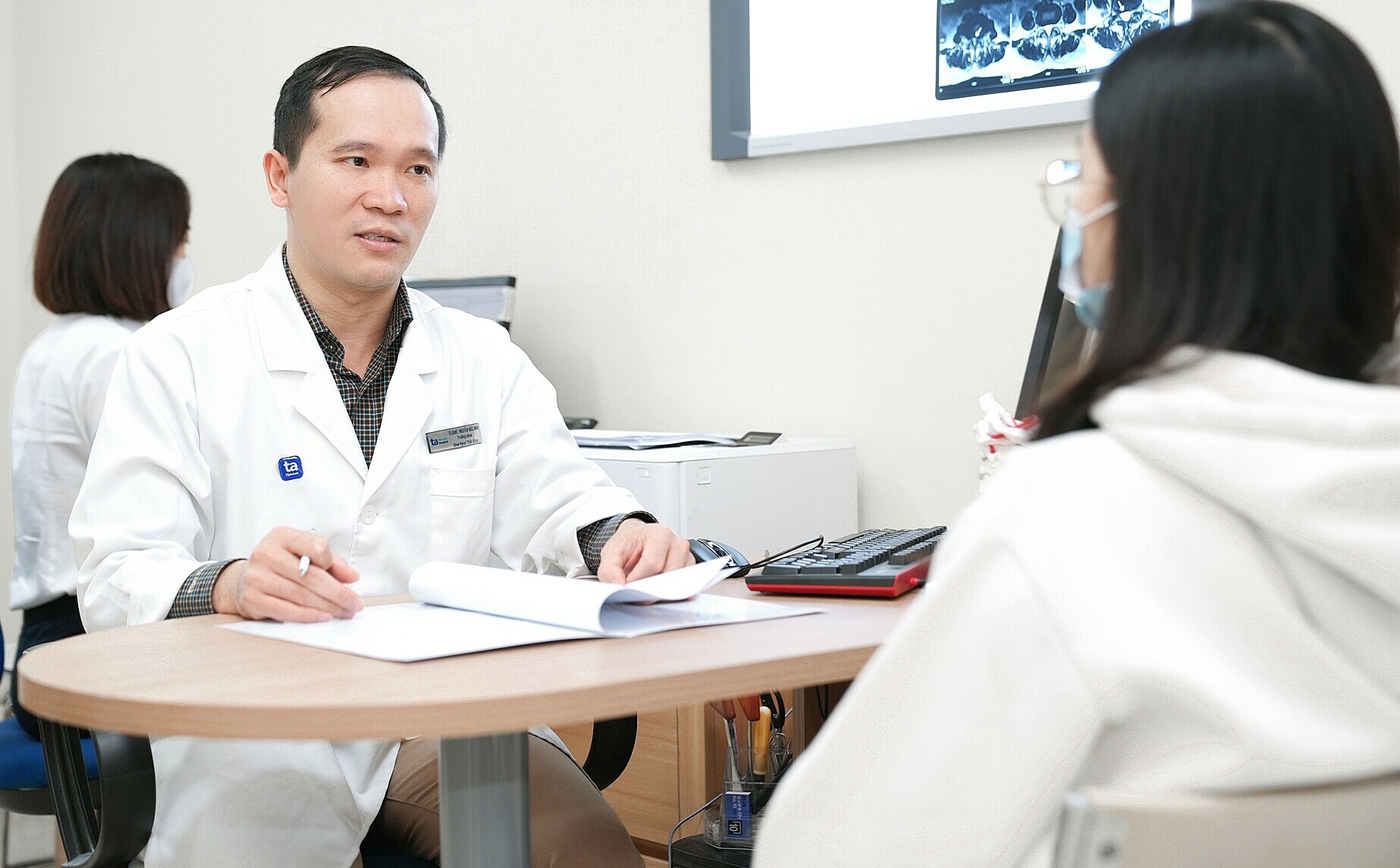 |
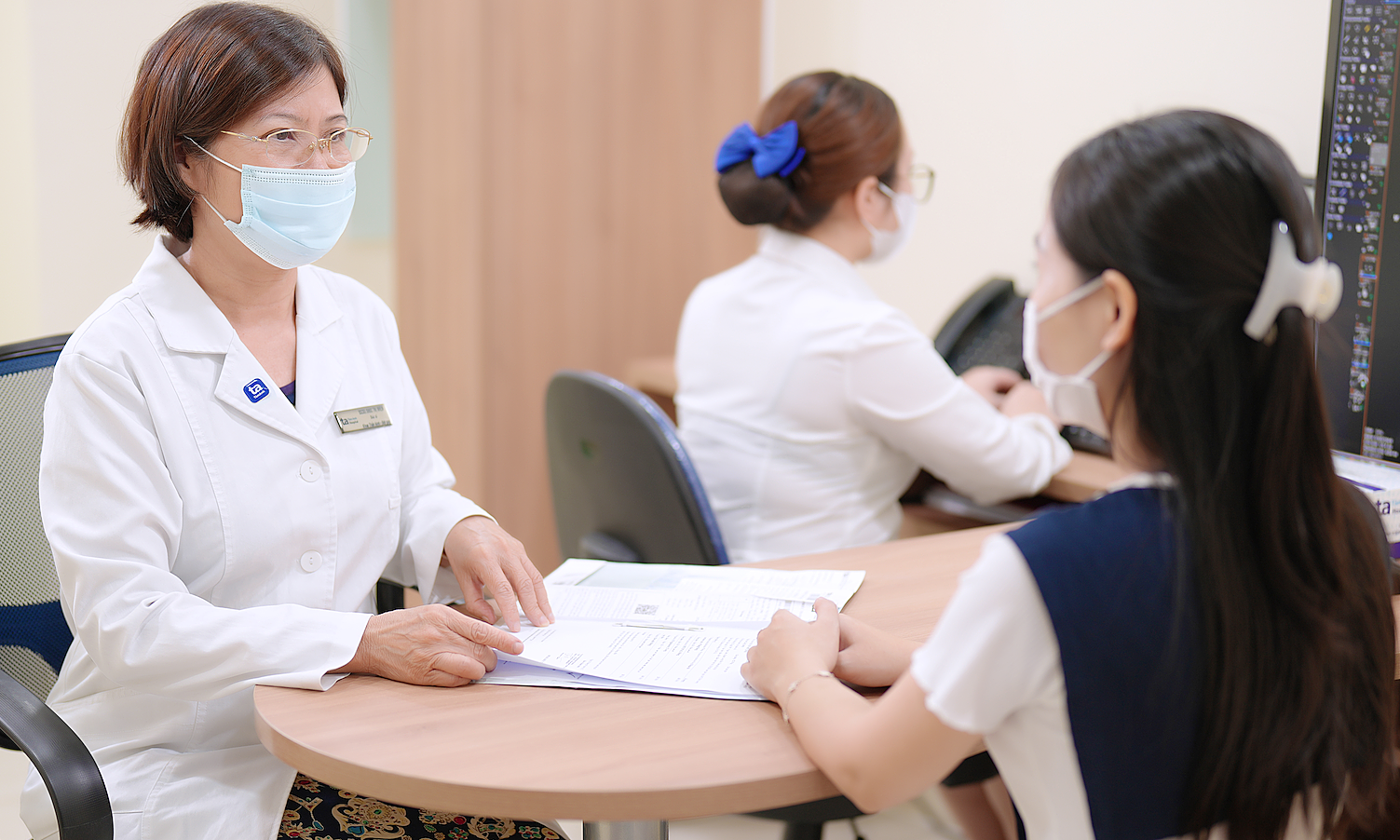
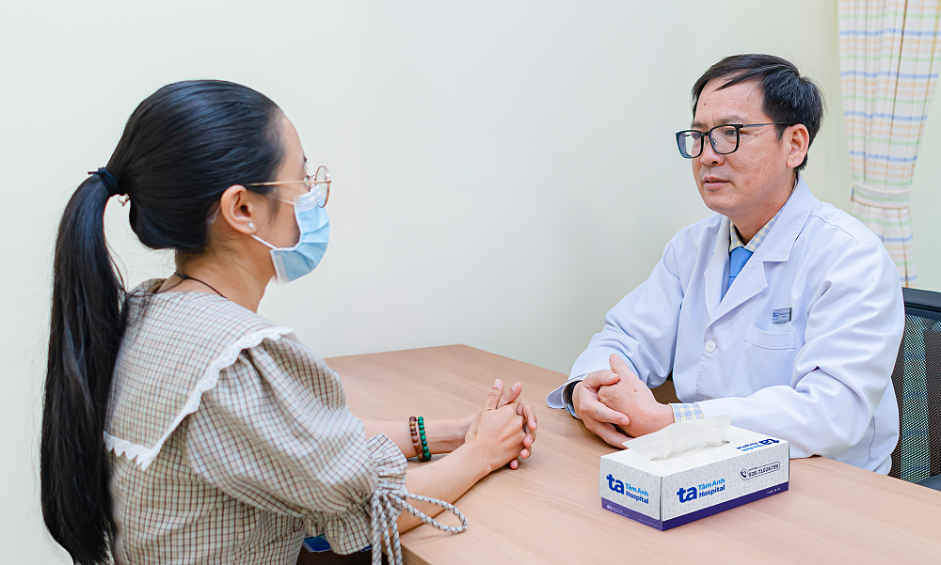
Doctor Duc Anh advises a patient on spinal stenosis treatment methods. *Photo: Tam Anh General Hospital*
Medication
Doctors may prescribe pain relievers, nonsteroidal anti-inflammatory drugs, muscle relaxants, or neuropathic pain medication if patients experience pain radiating along nerve roots. Prolonged self-medication with pain relievers should be avoided due to the increased risk of side effects on the digestive tract, liver, kidneys, or cardiovascular system.
Minimally Invasive Pain Interventions
If medical treatment and rehabilitation do not yield desired results, doctors may consider minimally invasive pain intervention techniques such as epidural injections or nerve root blocks guided by ultrasound or fluoroscopy.
Doctors precisely deliver medication to the site of inflammation or compression, helping to reduce the inflammatory response around the nerve roots, alleviate pain, and enable patients to continue rehabilitation exercises. However, this method does not widen the spinal canal nor does it eliminate the underlying cause of stenosis.
Surgery
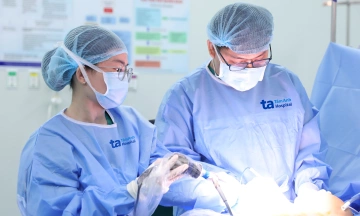
Surgery is often considered when a patient experiences persistent pain despite adequate conservative treatment for a period, when pain affects daily activities and quality of life, or when there is progressive muscle weakness or muscle atrophy.
According to Doctor Duc Anh, surgical indications and methods depend on the patient's symptoms, age, gender, overall health, and imaging findings. If a patient exhibits signs such as bladder or bowel dysfunction, or numbness in the perineal region, emergency surgery is required to decompress the nerves and limit the risk of permanent nerve damage.
When symptoms such as persistent neck or back pain, pain radiating to the arms or legs, numbness, limb weakness, difficulty walking, or increased pain when bending forward appear, patients should seek medical attention for examination. Doctors will conduct a comprehensive evaluation of symptoms, combined with clinical examination and diagnostic imaging, to determine appropriate treatment and prevent complications.
Hieu Nguyen
| Readers can ask questions about neurological diseases here for doctors to answer. |