Long’s symptoms, including profuse sweating, pale skin, and a rapid heartbeat, became more pronounced after meals. He sought examination at Tam Anh General Hospital in Ho Chi Minh City. Doctors diagnosed him with acute hypoglycemia stemming from severe obesity. His blood sugar level was below 3.9 mmol/L (the normal range is 3.9-5.5 mmol/L), and he also showed signs of elevated blood pressure. He received a glucose solution to stabilize his condition.
Weighing 103 kg, Long suffers from the most severe degree of obesity, with body fat accounting for 60% and significant visceral fat accumulation. Dr. Lam Van Hoang, Head of the Endocrinology - Diabetes Department at Tam Anh General Hospital, Ho Chi Minh City, explained that severe obesity caused Long to develop hyperinsulinism. This condition occurs when the pancreas produces excessive insulin to compensate for cellular insulin resistance. Hyperinsulinemia due to insulin resistance is a common phenomenon in obese children and adolescents.
Signs of hyperinsulinism include persistent hunger, cravings for sweets even after eating, fatigue, difficulty concentrating, and high blood pressure. A sudden surge in insulin can trigger post-meal hypoglycemia, leading to tremors, dizziness, and a rapid heartbeat. Over time, this condition increases the risk of developing type 2 diabetes, cardiovascular disease, hypertension, and fatty liver.
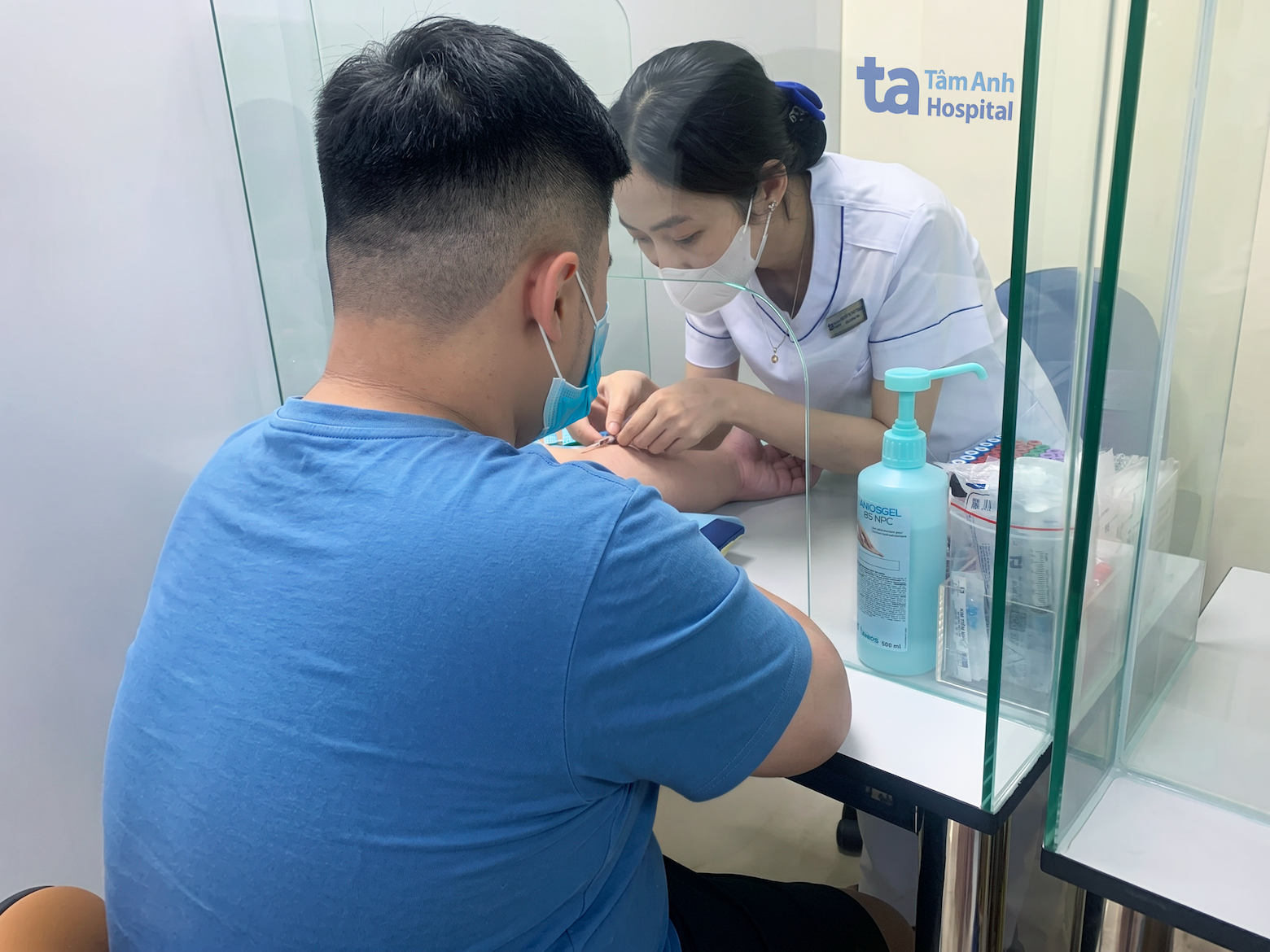 |
Long underwent tests to check blood sugar and blood fat during a weight loss examination. *Photo: Tam Anh General Hospital* |
Long was prescribed a multi-modal obesity treatment plan, which included balanced nutrition, rehabilitation exercises, and endocrine therapy with weight-management medication.
"Long is only 13, so weight loss cannot be achieved solely through diet, exercise, or medication," Dr. Hoang explained. He emphasized that the treatment needed to address emotional and behavioral factors to avoid placing undue pressure on the child. The biggest challenge in weight loss intervention during puberty is fluctuating hormones and increased energy demands for physical development, which often leave adolescents feeling constantly hungry.
During the initial days of treatment, Long continued to consume many sausages, fried fish balls, and instant noodles purchased outside school, resulting in no weight loss. Subsequently, his family supported him in reducing snacks, which gradually eased his psychological state. Concurrently, the endocrine medication helped to diminish his cravings.
Doctors guided Long through light exercises, such as walking and cycling, to improve his physical fitness without straining his joints, while also making physical activity enjoyable.
Two months into treatment, Long had lost 6 kg, primarily excess fat. Dr. Hoang noted this was an appropriate amount of weight loss, as the objective of obesity treatment for adolescents is not rapid weight reduction but rather safe, sustainable progress that ensures healthy height growth and intellectual development.
Long is currently continuing his weight loss treatment, with a target weight of 70 kg.
Duc Hanh
*Patient's name has been changed
| Readers can send questions about endocrine diseases here for doctors to answer |