Pneumonia is an acute infection of the lung parenchyma, caused by bacteria, viruses, or, in some specific cases, fungi. It directly impairs the lungs' ability to exchange oxygen.
Nguyen Thanh Thuy, a Master of Science, Doctor, and Chief Resident Physician (CKI) in the Department of General Internal Medicine at Tam Anh General Hospital TP HCM, explains that lung infections developing in the community or during the initial phase of hospitalization are termed community-acquired pneumonia, distinct from hospital-acquired pneumonia. Pathogens typically spread through the respiratory tract via coughs, sneezes, or contact with virus or bacteria-laden droplets. However, not everyone exposed to these pathogens develops pneumonia; susceptibility depends on age and immune system strength.
Patients with pneumonia may experience prolonged high fever, a persistent cough producing yellow or green phlegm, chest pain during breathing, rapid breathing, or noticeable shortness of breath. Community-acquired pneumonia often presents with additional symptoms like exhaustion or hypoxemia (reduced blood oxygen). In older adults, young children, or those with underlying conditions such as diabetes, chronic obstructive pulmonary disease (COPD), or cardiovascular disease, symptoms can be atypical, sometimes manifesting only as fatigue, reduced mobility, confusion, or poor appetite. Despite subtle initial signs, the disease can quickly escalate to respiratory failure or sepsis.
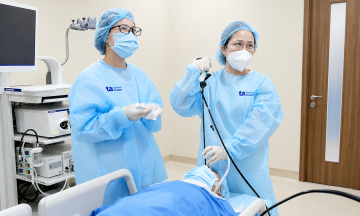
Individuals experiencing shortness of breath, rapid breathing, chest pain, or a fever that persists for several days should seek medical attention. Doctors will perform a lung examination, measure blood oxygen saturation (SpO2), conduct a chest X-ray, and order blood tests to assess the disease's severity.
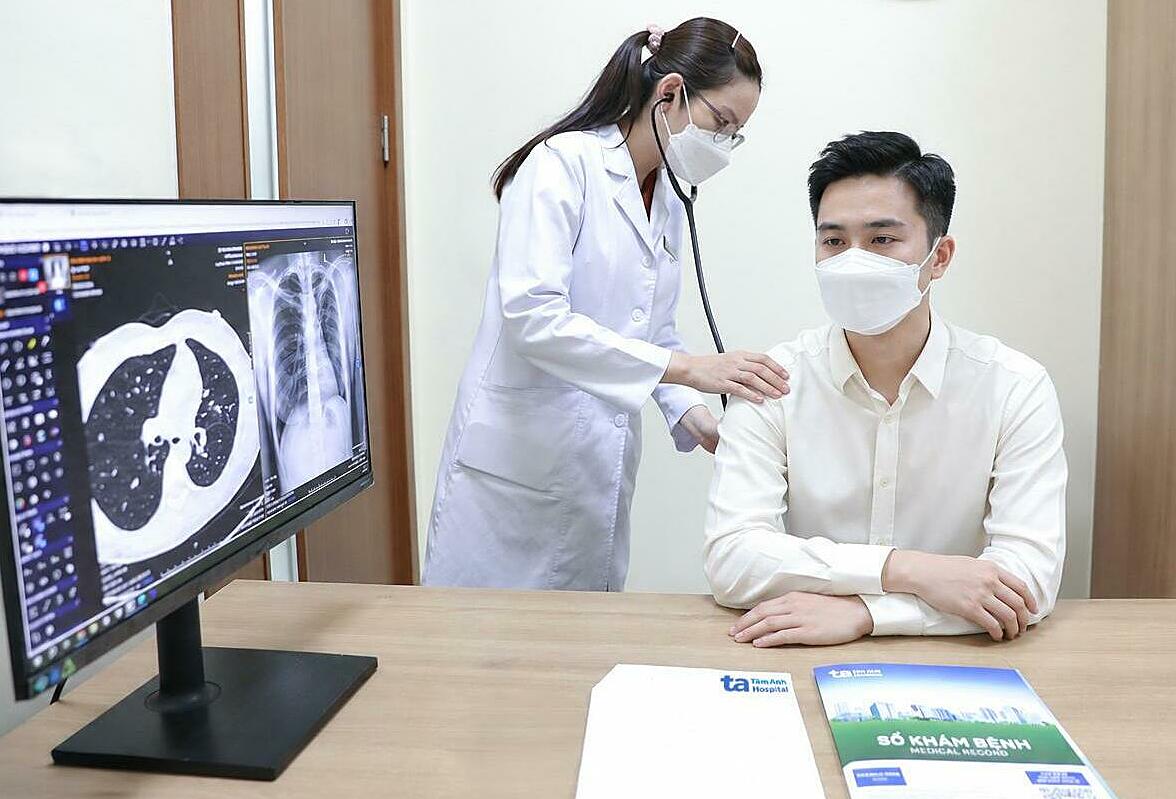 |
Doctor Thuy is examining a patient's lungs. Photo: Tam Anh General Hospital
Many individuals experiencing symptoms often resort to self-medication. Doctor Thuy advises against using antibiotics without a prescription, emphasizing their ineffectiveness against viral infections. Misuse of antibiotics not only increases the risk of antibiotic resistance and adverse drug reactions but can also mask more severe underlying infections.
Early detection of pneumonia generally leads to effective treatment. Conversely, late diagnosis can result in dangerous complications like pleural effusion, respiratory failure, or widespread infection.
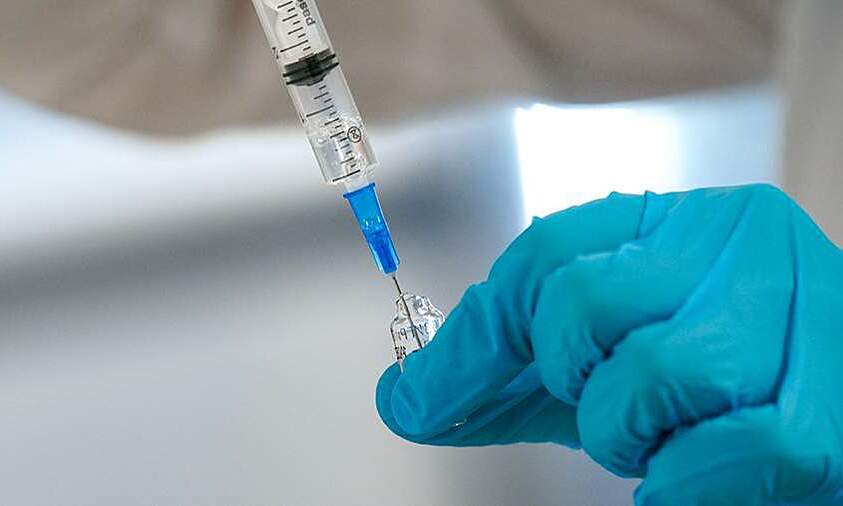
Prevention is crucial, especially for older adults, smokers, and individuals with chronic lung conditions. Vaccinations against influenza, pneumococcus, and RSV, along with maintaining respiratory hygiene, wearing masks during outbreaks, and promptly treating upper respiratory infections, all reduce the risk of pneumonia. Additionally, quitting smoking and effectively managing chronic conditions like COPD, diabetes, and heart failure significantly lower the risk of developing the illness.
If symptoms such as fever, persistent cough, or shortness of breath emerge, particularly if they worsen, individuals should seek immediate medical attention.
Nhat Thanh
| Readers can submit questions about respiratory diseases here for doctors to answer. |