In vitro fertilization (IVF) is a safe and established procedure, validated over decades with millions of treatments worldwide. The risk of stroke is rare and primarily affects individuals with pre-existing risk factors, rather than being a direct consequence of the IVF technique itself. Global studies indicate only a slight increase in stroke risk for women undergoing IVF compared to natural pregnancies, mainly observed in women over 35 or those with underlying cardiovascular conditions.
A key factor to consider is ovarian hyperstimulation syndrome (OHSS), a potential complication of IVF. When ovaries overreact to stimulation medications, patients may experience blood concentration, increased coagulation, and a higher risk of blood clot formation. If a blood clot travels to the brain, an ischemic stroke can occur. However, with modern ovarian stimulation protocols, individualized dosing, and close monitoring, doctors can prescribe anticoagulants for moderate to severe OHSS cases that present a risk.
Pregnancies resulting from IVF are often categorized as higher risk than average. This is because patients are typically older women, have pre-existing medical conditions, or are carrying multiple pregnancies. During any pregnancy, the body undergoes physiological changes, including increased blood volume, blood pressure, and clotting activity, which inherently raise the risk of cerebrovascular events compared to non-pregnant women.
When stroke occurs in women undergoing IVF, it is usually linked to underlying factors such as: gestational hypertension, preeclampsia, diabetes, dyslipidemia, cardiovascular disease, atrial fibrillation, or inherited thrombophilia. If not thoroughly screened before IVF, these factors can remain undetected and manifest during pregnancy.
 |
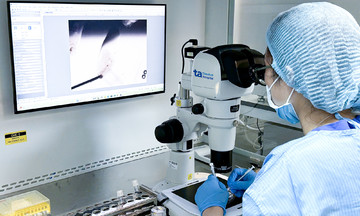
An embryologist observes the comprehensive development of embryos through a dynamic culture system. *Photo: IVF Tam Anh* |
If you are considering IVF, you should undergo a cardiovascular examination, blood pressure measurement, coagulation tests, and control your blood sugar, lipids, and weight. This is especially important if you are over 35 or have an abnormal obstetric history. During treatment, adhere to your individualized protocol, attend scheduled follow-up appointments, and immediately inform your doctor if you experience any unusual symptoms. These include: severe headache, blurred vision, limb weakness, or speech difficulty, which could indicate neurological complications or blood clots. Once pregnant after IVF, close monitoring of blood pressure and other pregnancy complications is also necessary. Effectively managing hypertension, preeclampsia, and metabolic disorders protects the fetus and reduces the mother's stroke risk.
You should choose a fertility center that offers multidisciplinary coordination for comprehensive health assessments. At the Reproductive Support Center, Tam Anh General Hospital, patients receive examinations and screenings for related conditions. This helps detect risks early and allows for the development of individualized treatment protocols to ensure the maximum safety for both the mother and the fetus.
Doctor Phan Ngoc Quy
Reproductive Support Center
Tam Anh General Hospital Hanoi
| Readers can send questions about infertility here for doctors to answer. |