Experiencing shortness of breath during exercise is not always cause for concern. When engaging in strenuous activities like fast running, heavy weightlifting, or working out beyond your usual capacity, your body demands more oxygen, naturally increasing heart rate and breathing. If this breathlessness gradually subsides after a rest, it's typically a normal physiological response.
However, if you've been consistently exercising at the same intensity without issues, but now suddenly experience rapid fatigue, breathlessness, or need to reduce your workout level, this change warrants attention. New onset shortness of breath may stem from various causes, including anemia, thyroid dysfunction, infection, respiratory or cardiovascular diseases, or simply reduced physical fitness.
To identify the underlying cause, a doctor will first conduct a thorough inquiry into the onset of your shortness of breath, the activity level triggering symptoms, your medical history, and current medications. This is followed by a heart and lung examination. You may then undergo various diagnostic tests: blood tests (to check for anemia, thyroid function, micronutrients, cardiac enzymes), a resting electrocardiogram (ecg), a frontal chest x-ray, a transthoracic echocardiogram, or respiratory function tests.
Should initial tests not pinpoint the cause or if a more in-depth assessment is needed, your doctor might recommend a CT scan, a stress echocardiogram, or cardiopulmonary exercise testing (cpet). Cpet is a comprehensive method that simultaneously evaluates the function of your heart and lungs, alongside your body's ability to utilize oxygen during physical activity.
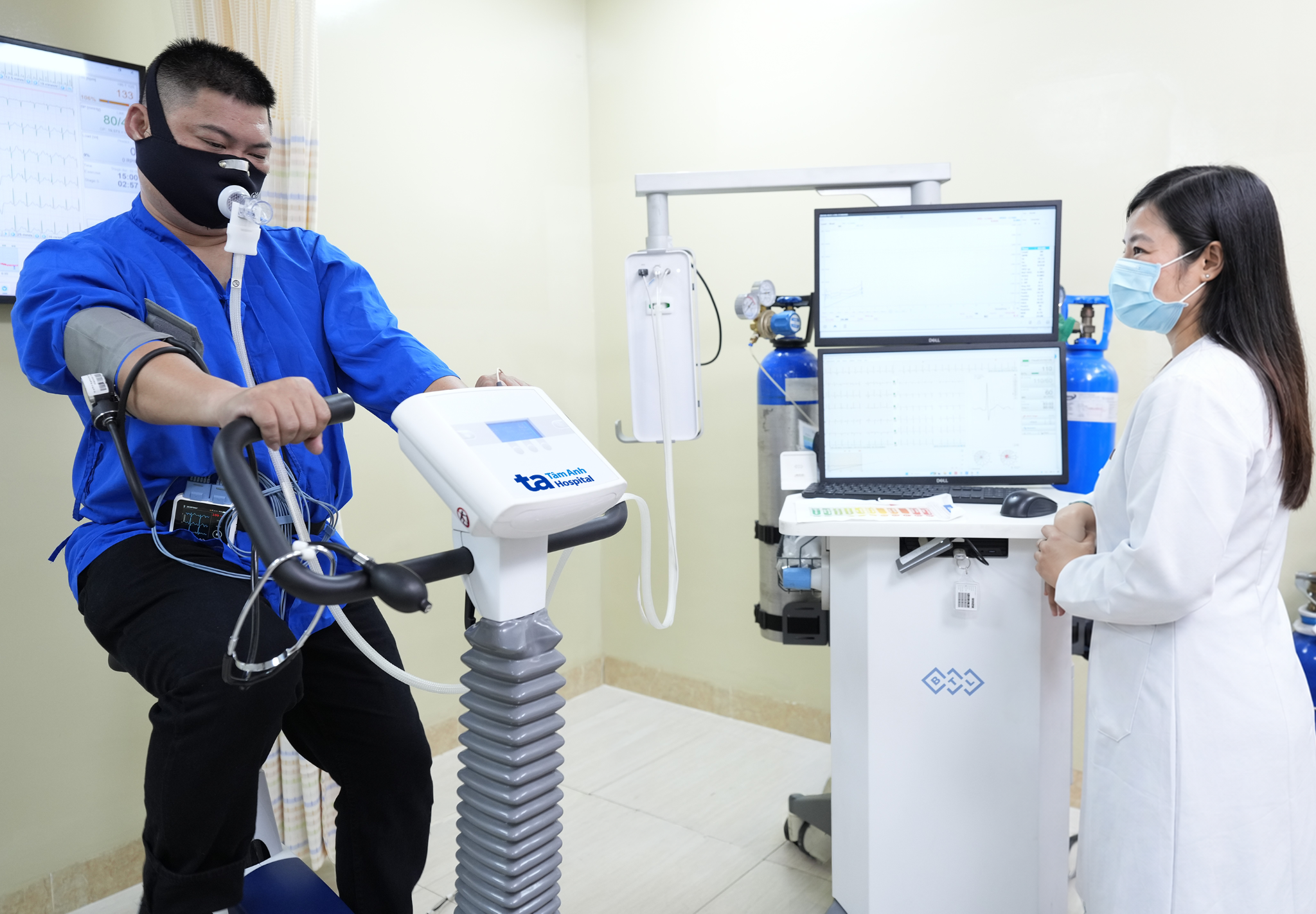 |
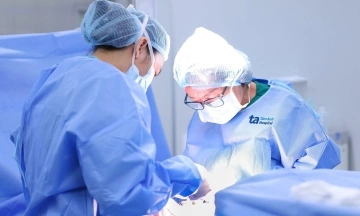
Doctors closely monitor heart rate, blood pressure, SpO₂ levels, and other indicators during cpet. *Photo: Tam Anh General Hospital* |
During a cpet, you walk on a treadmill or pedal a cycle ergometer with gradually increasing intensity. Doctors continuously monitor your electrocardiogram, heart rate, blood pressure, blood oxygen saturation (SpO₂), oxygen consumption (VO₂), and carbon dioxide production (VCO₂). They also note any symptoms such as fatigue, shortness of breath, chest pain, or dizziness. This exercise phase typically lasts 8-12 minutes, concluding when sufficient data is gathered or when you reach your appropriate maximal exertion level. If any abnormal signs appear, the doctor will immediately stop the test to ensure your safety.
Based on the data collected, doctors can determine if limited exercise capacity is primarily due to cardiac, pulmonary, or metabolic disorders, or reduced physical fitness. Cpet also aids in assessing disease severity, stratifying risk, predicting outcomes, and developing personalized treatment plans or exercise programs. This test is suitable for a wide range of patients without contraindications, including athletes, amateur sports enthusiasts, individuals with respiratory or cardiovascular conditions, and those preparing for major surgeries (especially heart, lung, or organ transplants) to evaluate pre-operative risk. However, not everyone experiencing exercise-induced shortness of breath requires cpet; the doctor will make this decision based on your symptoms and initial examination results.
If your newly appearing shortness of breath persists despite reducing exercise intensity, you should temporarily stop strenuous workouts and seek medical attention to uncover the cause. Immediate examination is crucial if shortness of breath is accompanied by chest pain or heaviness, palpitations, dizziness, fainting, or occurs even at rest.
At the Cardiology Center, Tam Anh General Hospital, TP HCM, the cardiopulmonary exercise testing system is routinely utilized. The cpet procedure, integrated with an emergency standby system in the testing room, ensures timely intervention for patients.
Doctor Ho Thi Tuyet Mai, Level II Specialist
Cardiology Center
Tam Anh General Hospital, TP HCM
| Readers can submit questions about cardiovascular diseases here for doctors to answer. |