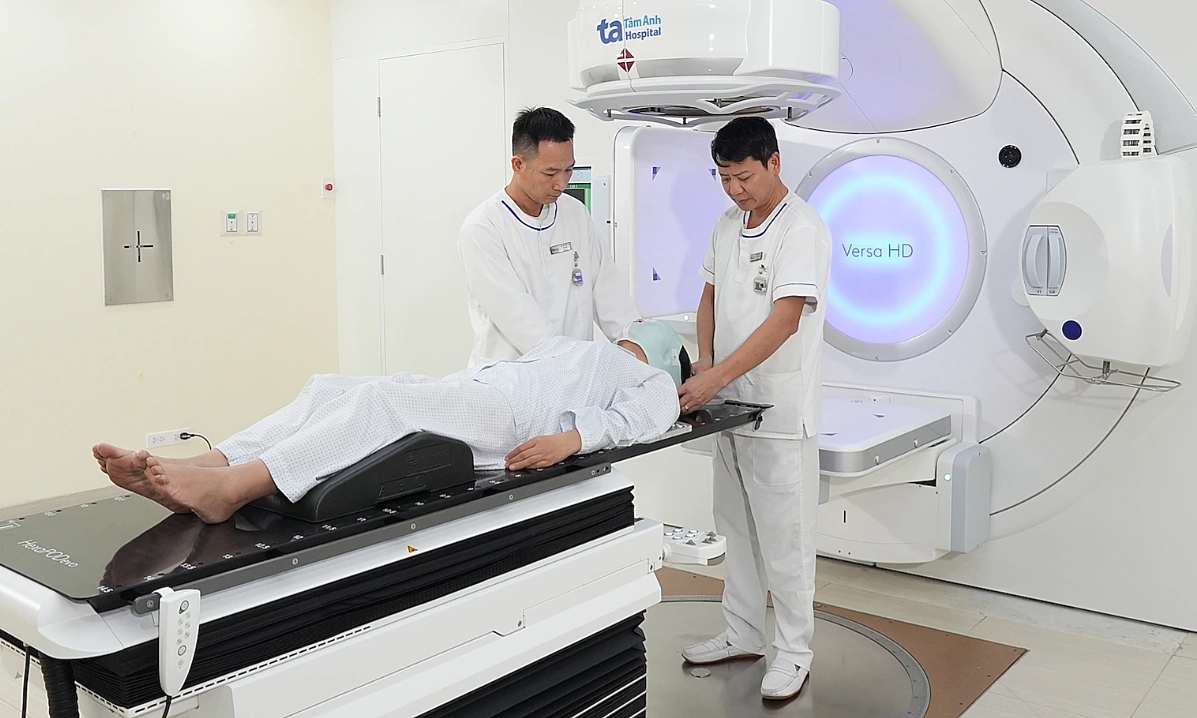
Myocardial infarction occurs when oxygen-rich blood flow to the heart muscle is suddenly reduced or blocked, often due to a ruptured plaque in the coronary artery, forming a blood clot that obstructs the vessel. Regularly monitoring certain health indicators helps early risk identification and proactive prevention.
Blood pressure
According to Times of India, high blood pressure is a factor increasing cardiovascular disease risk. Sustained high blood pressure puts significant strain on artery walls, contributing to vascular damage and the formation and progression of atherosclerosis. The heart also works harder, which over time can lead to adverse changes in the heart muscle.
Everyone should check their blood pressure regularly, especially if overweight, inactive, or having a family history of cardiovascular disease. For adults, blood pressure below 120/80 mmHg is considered optimal.
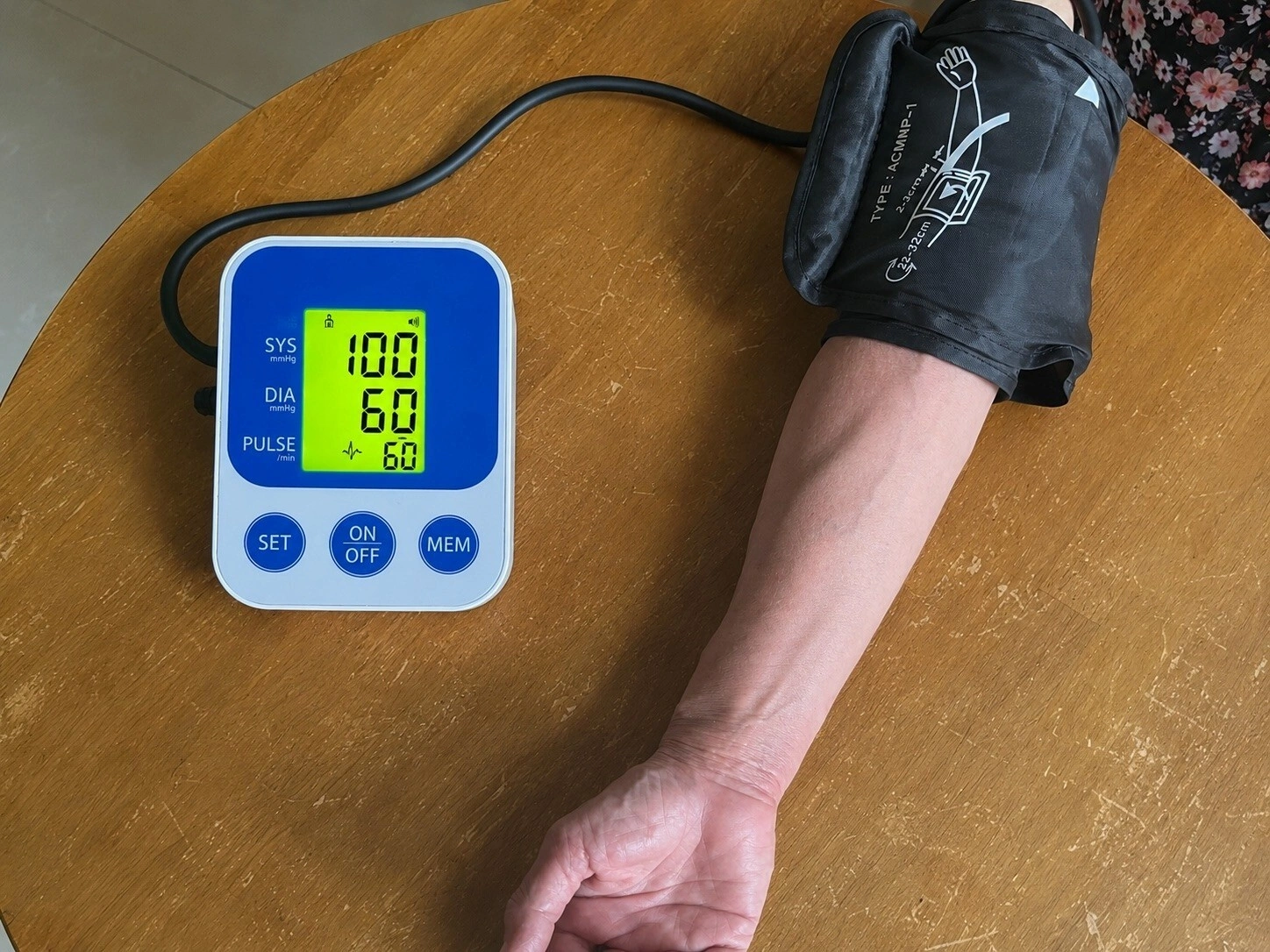 |
Regular blood pressure checks can detect hypertension. *Photo: Tam Anh General Hospital*
Cholesterol
Cholesterol, especially ldl-cholesterol, is a crucial indicator when assessing atherosclerosis risk. High levels of ldl-cholesterol over time can promote the formation and development of plaque in artery walls. When plaque ruptures, a blood clot can form at this site, blocking blood flow to the heart muscle and causing a heart attack.
Blood sugar
Persistently high blood sugar can damage blood vessel walls, accelerate atherosclerosis, and thus increase the risk of coronary artery disease and heart attack. Individuals with or at risk of diabetes should check their blood sugar regularly, while also adjusting their diet and increasing physical activity, according to Verywell Health.
Waistline and weight
Weight and waist circumference are simple indicators for assessing metabolic risk. Significant abdominal fat accumulation is often associated with insulin resistance, dyslipidemia, and hypertension, thereby increasing the risk of cardiovascular disease.
Heart rate
Resting heart rate can vary with age, exercise level, emotions, medications, and other factors. For adults, a resting heart rate typically ranges from 60-100 beats/minute. If the heart rate is consistently abnormal or accompanied by palpitations, shortness of breath, chest pain, or dizziness, individuals should seek medical attention to determine the cause.
By Le Nguyen (Compiled)
| Readers can submit questions about cardiovascular disease here for doctors to answer. |