The Clinical Hospital (HC) in Ribeirao Preto, Sao Paulo state, announced on 16/8 that craniopagus twins Heloisa and Helena Batista da Silva, two years and 7 months old, from Roraima state, died due to hemodynamic instability and severe blood pressure dysregulation.
This condition prevented their circulatory systems from maintaining blood pressure necessary to nourish vital organs, leading to multiple organ failure. Their family is currently transporting the two children's bodies for burial in their hometown of Sao Jose dos Campos.
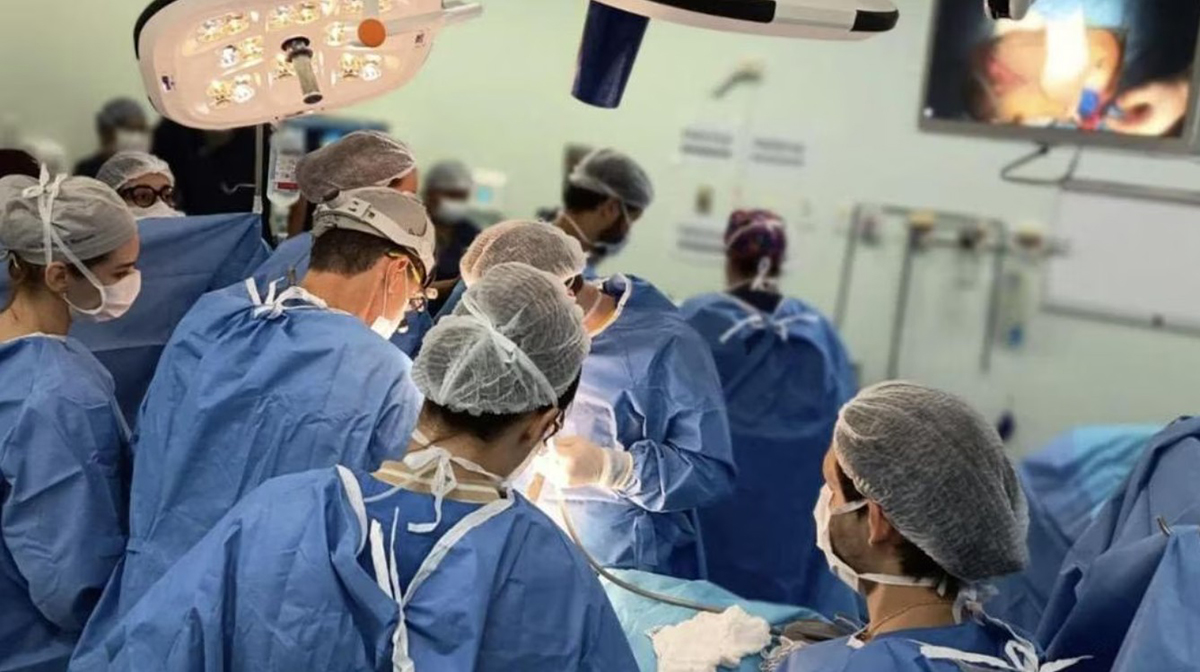 |
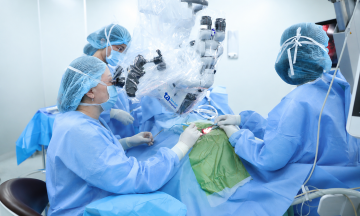
The surgery involved more than 50 medical staff, hoping to provide independent lives for craniopagus twins Heloisa and Helena Batista da Silva. Photo: *JamPress*. |
The critical events occurred at approximately 11 p.m. on 15/8, precisely when the team fully separated the remaining blood vessels and 25% of the shared brain tissue. Surgeon Jayme Farina Junior, the surgery coordinator, stated that one twin's blood pressure plummeted while the other's surged. The children's bodies, weakened by repeated bouts of pneumonia, tracheotomies, and gastric tube feeding, could not adapt to the sudden circulatory fluctuations.
Helena's heart stopped at 11:12 p.m., and she passed away at 11:37 p.m. after 25 minutes of unsuccessful resuscitation. On the adjacent operating table, Heloisa's heart stopped at 11:26 p.m. and she died at 11:51 p.m. despite doctors' efforts at chest compressions.
Craniopagus conjoined twins occur in one out of 2,5 million births worldwide. Most children with this condition die at birth or within the first 24 hours. The survival rate for at least one twin after separation surgery is approximately 50-60%.
In preparation for the fifth decisive surgery, more than 50 medical staff closely monitored the two children for two years and performed four preliminary surgeries within one year. The team utilized computed tomography, magnetic resonance imaging, virtual reality simulation, and 3D printing technology to plan the operation.
The first three interventions successfully separated 75% of the shared brain tissue and blood vessel system. The fourth surgery involved placing tissue expanders to create skin flaps for skull coverage. Brazil's public healthcare system covered all treatment costs throughout this process.
Amarildo Batista da Silva, the twins' father, expressed deep gratitude to the medical team. He emphasized that he harbored no resentment towards the doctors, stating that each life saved represents a victory, and the medical community achieves more victories than failures.
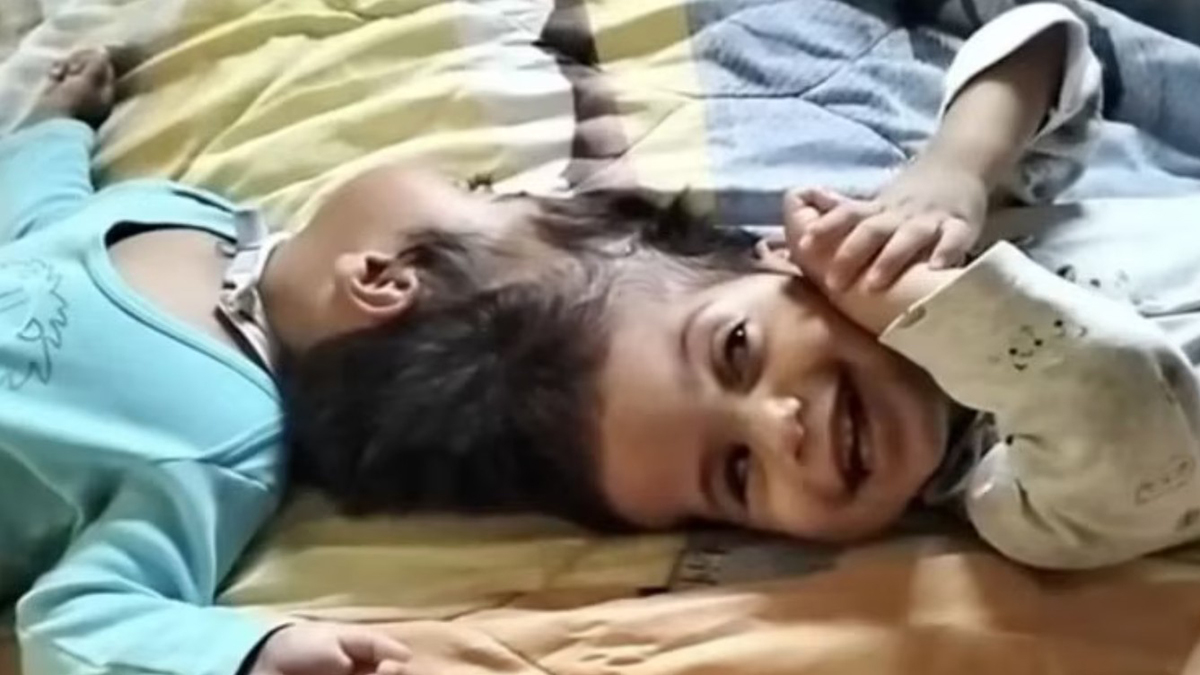 |
The conjoined twins died minutes apart during the 15-hour separation surgery. Photo: *JamPress*. |
The Clinical Hospital in Ribeirao Preto had previously treated three cases of craniopagus conjoined twins. The two earlier cases successfully separated Maria Ysabelle and Maria Ysadora in 2018, and Alana and Mariah in 2023. Heloisa and Helena's case marks the first time a non-survivable outcome has been recorded at this facility.
Binh Minh (According to Globo, News, Contexto)