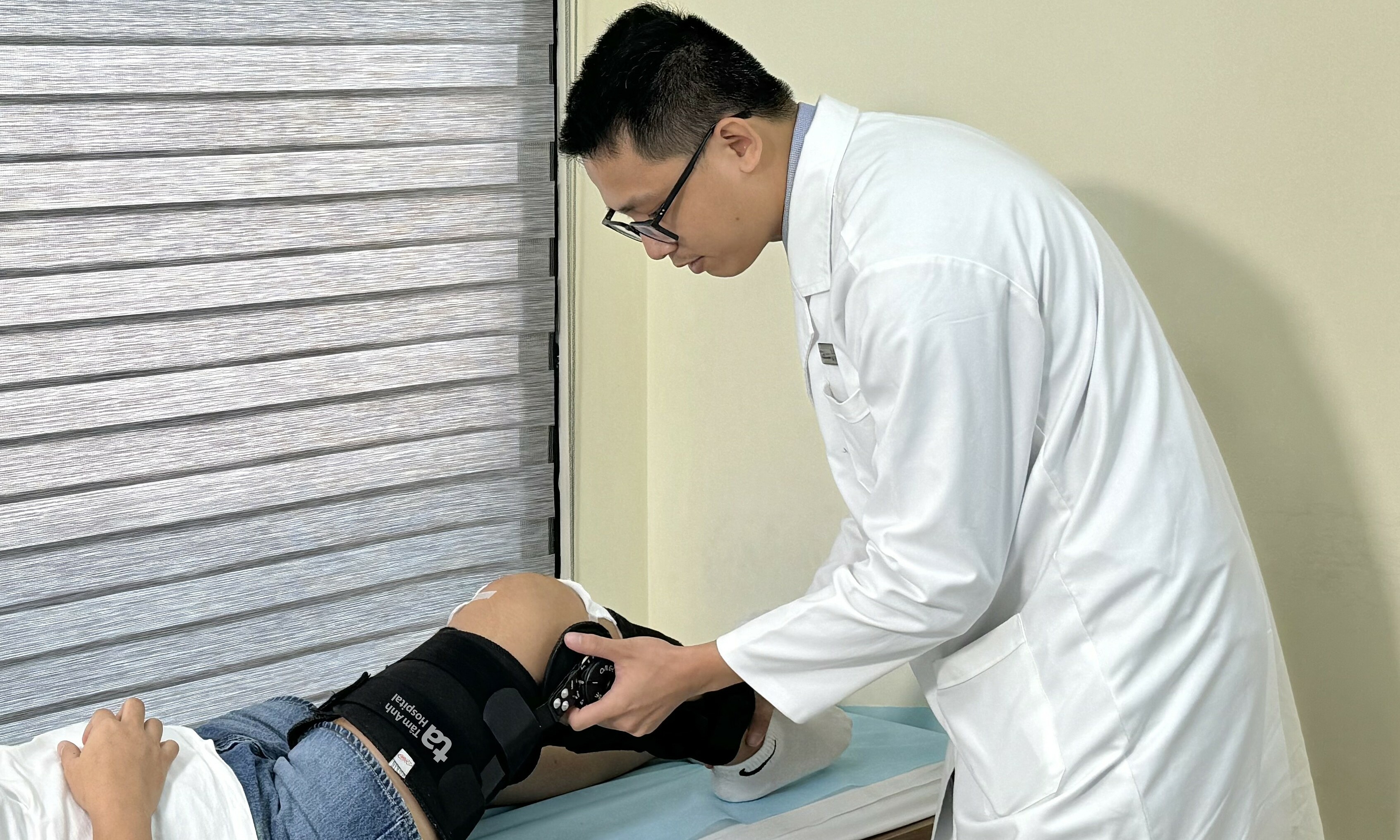
On 1/7, Doctor Nguyen Viet Chung, Head of the Mental Health Department, stated that the patient had self-medicated and supplemented with various unprescribed functional foods for an extended period. In reality, the patient's physical symptoms stemmed from prolonged anxiety and insomnia, rather than the chronic internal diseases he mistakenly believed he had.
According to Doctor Chung, the issues began a year ago when the patient experienced insomnia, difficulty falling asleep, and frequently woke up feeling exhausted. This sleep deprivation led to persistent health worries, resulting in palpitations and a rapid heartbeat.
After self-measuring slightly elevated blood pressure and blood sugar, he self-diagnosed himself with hypertension and diabetes, then proceeded to buy medication. When he developed additional symptoms like stomach pain, heartburn, and neck and shoulder stiffness, the patient continued to purchase brain supplements and various vitamins for "self-treatment."
 |
Anxiety disorders cause several physical symptoms such as rapid heartbeat, shortness of breath, and chest pain. *Illustration: Velo City Urgent Care*
Doctor Chung explained that prolonged anxiety and lack of sleep activate the sympathetic nervous system, increasing the secretion of stress hormones like cortisol and adrenaline. This process causes a rapid heartbeat, temporary blood pressure increases, and fluctuating blood sugar. Additionally, psychological stress can cause digestive symptoms, headaches, and muscle tension. The expert affirmed that these slight increases in readings do not equate to having a chronic illness. A definitive diagnosis requires standard tests and professional evaluation, rather than the patient's subjective perceptions.
From a medical perspective, anxiety disorder is a state of chronic stress that hinders daily activities and severely impacts both physical and mental well-being. The condition often stems from: genetic factors, individual personality, or external events such as work pressure or family conflicts. Patients often find themselves in a cycle of excessive anxiety over minor issues, accompanied by a vague sense of fear and negative thoughts about the future, even when they recognize their worries are irrational.
Typical physical symptoms of this syndrome include: shortness of breath, chest pain, trembling limbs, sweating, and digestive disturbances. Cognitively, patients often experience: difficulty concentrating, memory impairment, and constantly imagine worst-case scenarios.
For treatment, Doctor Chung instructed the patient to stop all self-purchased medications and focus on psychotherapy to relieve stress. The expert advises individuals experiencing prolonged stress to seek early intervention at specialized medical facilities. This can improve their quality of life and prevent unnecessary complications from incorrect medication use.
Thuy An