Thuy, an avid beer drinker, experienced rapid weight gain and an enlarged waistline. A routine health check revealed abnormal liver function indicators, prompting him to seek further examination at Tam Anh General Hospital Ho Chi Minh City.
Upon examination, Thuy weighed 93 kg. His visceral fat level was 2,5 times higher than average, and he was diagnosed with chronic hepatitis B, fatty liver disease, and grade two obesity. An ultrasound revealed bands of scar tissue in his liver, indicating the onset of fibrosis.
Doctor Lam Van Hoang, Head of Endocrinology and Diabetes, stated that Thuy faces a dual challenge: the hepatitis B virus silently inflaming and destroying liver cells, and excessive fat accumulation in the liver. This combination intensifies the inflammatory response and accelerates the fibrotic process.
 |
A nutritionist advises Thuy on his diet. Photo: Tam Anh General Hospital
According to Doctor Hoang, hepatitis B often progresses silently over a long period. Many individuals exhibit no symptoms or only vague signs such as fatigue, loss of appetite, and abdominal discomfort, leading them to overlook the condition. Most patients are diagnosed in the chronic stage when liver damage manifests with clear symptoms.
Obesity and fatty liver can hasten the rate of liver damage in individuals with hepatitis B. When fat accumulates excessively in the liver, liver cells become more susceptible to damage, prolonged inflammation occurs, and the formation of scar tissue accelerates.
Thuy was prescribed treatment for hepatitis B, received medication to aid weight loss according to a suitable regimen, and began gradually reducing his alcohol consumption. Concurrently, a nutritionist developed a personalized diet plan to help him lose weight safely while ensuring his nutritional needs and liver function were met.
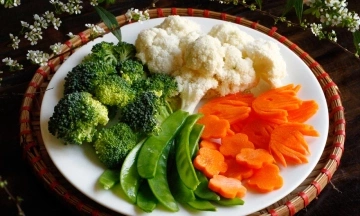
Patients are advised to prioritize healthy protein-rich foods, green vegetables, fruits, and whole grains. They should limit foods high in fat, sugar, salt, organ meats, and alcoholic beverages. Maintaining at least 150 minutes of weekly physical activity, such as brisk walking, cycling, swimming, or other suitable exercises, also contributes to improved metabolism and reduced visceral fat.
Doctor Hoang outlined Thuy's immediate goal: to lose at least 9-14 kg, with an ideal target of about 20 kg. This weight loss aims to improve his fatty liver condition, reduce the burden on his liver, and prevent the risk of long-term complications.
Duc Hanh
*Patient's name has been changed