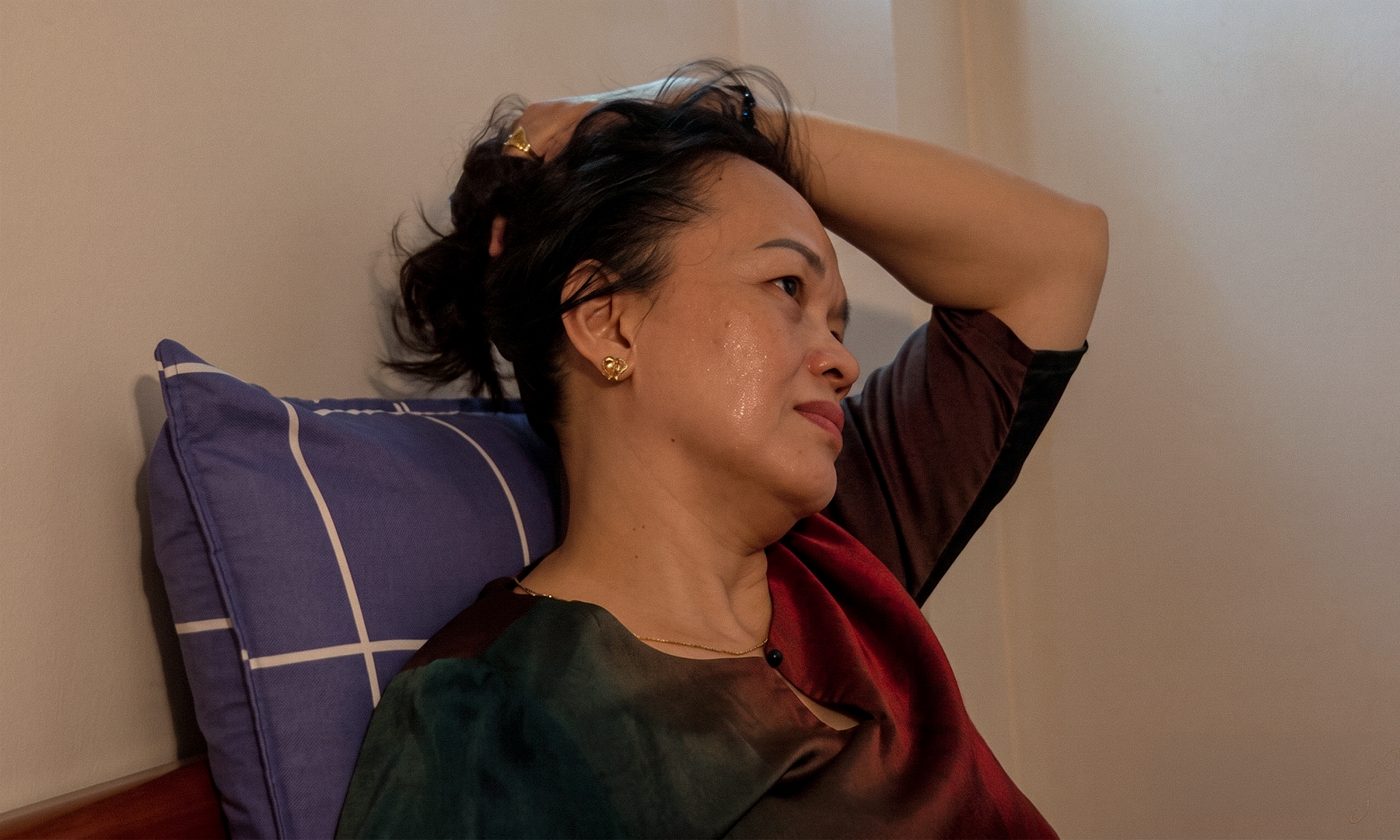
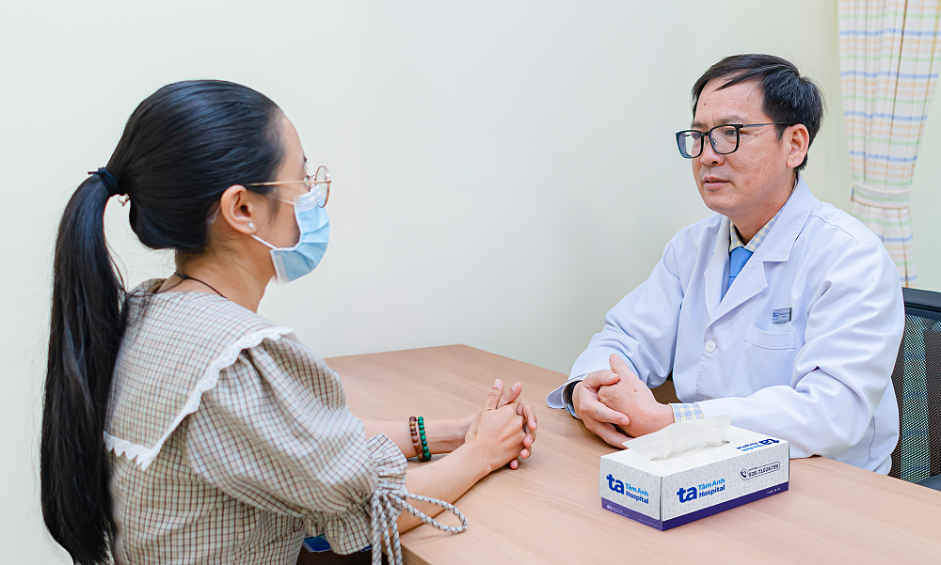
The eardrum is a thin membrane separating the outer ear from the middle ear, which transmits sound. It can be perforated or torn due to various causes, including foreign objects, physical trauma, or pressure changes. Symptoms often include ear pain, discharge, tinnitus, ear fullness, and hearing loss, sometimes accompanied by dizziness and nausea.
Small, non-infected perforations may heal naturally with medical treatment and proper care. However, if a perforation does not heal on its own, or if there are persistent ear infections with discharge, a doctor will recommend tympanoplasty. This procedure reconstructs the perforated or torn eardrum using a tissue graft, typically autologous fascia or cartilage membrane. The goal is to restore hearing and prevent complications such as otitis media and mastoiditis.
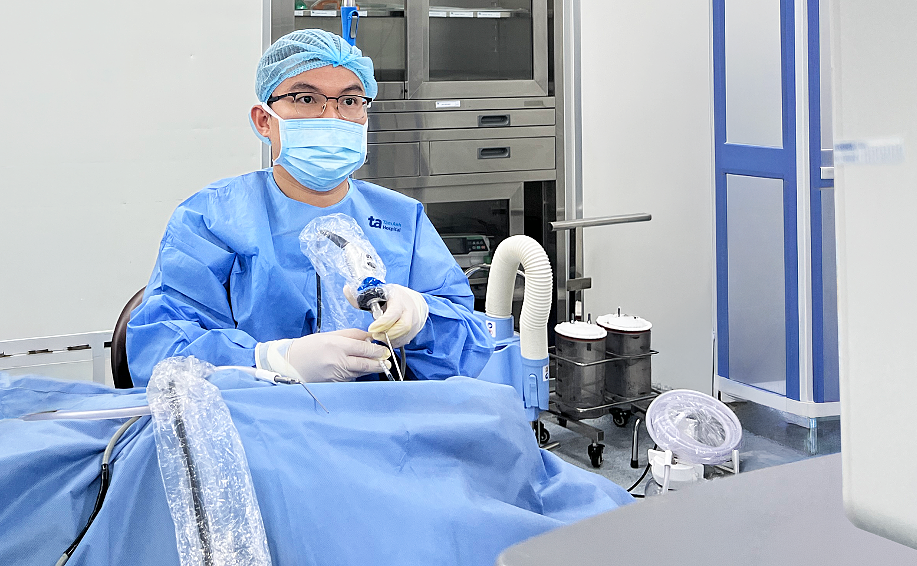 |
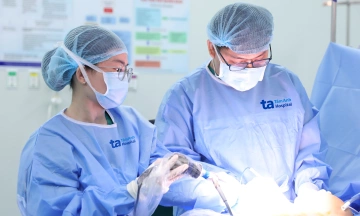
Dr. Nguyen is performing endoscopic tympanoplasty for a patient. Illustration: Tam Anh General Hospital |
Endoscopic tympanoplasty is a common approach. Patients undergo general anesthesia, ensuring they feel no pain during the procedure. The surgeon cleans inflammatory tissue, trims the perforation edges, harvests a piece of fascia from behind the patient's ear, and grafts it to reconstruct the eardrum. This minimally invasive procedure results in less bleeding and a shorter operating time, reducing the amount of anesthetic needed and promoting faster patient recovery.
After surgery, patients typically experience mild ear pain for the first few days and can use pain medication as prescribed by their doctor. The small incision behind the ear has sutures removed after about one week, leaving minimal scarring.
Patients should follow the instructions of an Ear, Nose, and Throat specialist. Any pre-existing infection must be treated and stabilized before surgery. Patients must inform their doctor about underlying conditions such as hypertension, diabetes, or bleeding disorders, which are crucial for assessing anesthesia safety.
Post-surgery, patients must keep the ear dry, avoid water entering the ear during bathing or showering, and refrain from blowing their nose forcefully. Flying and strenuous activities should be avoided for the first few weeks to ensure proper graft adherence. Should increasing ear pain, unusual discharge, or fever occur post-surgery, patients must seek immediate medical review.
M.D., C.K.I. Nguyen Trung Nguyen
Ear, Nose, and Throat Center
Tam Anh General Hospital Ho Chi Minh City
| Readers can submit Ear, Nose, and Throat questions here for doctors to answer. |