Many people habitually go for a walk or exercise immediately after finishing a meal, hoping to "digest food" quickly, boost metabolism, and feel lighter. However, from a physiological and medical perspective, this habit is a double-edged sword.
While immediate post-meal activity may offer certain metabolic benefits, it also carries risks to the digestive system if done incorrectly, such as brisk walking or high-intensity exercise.
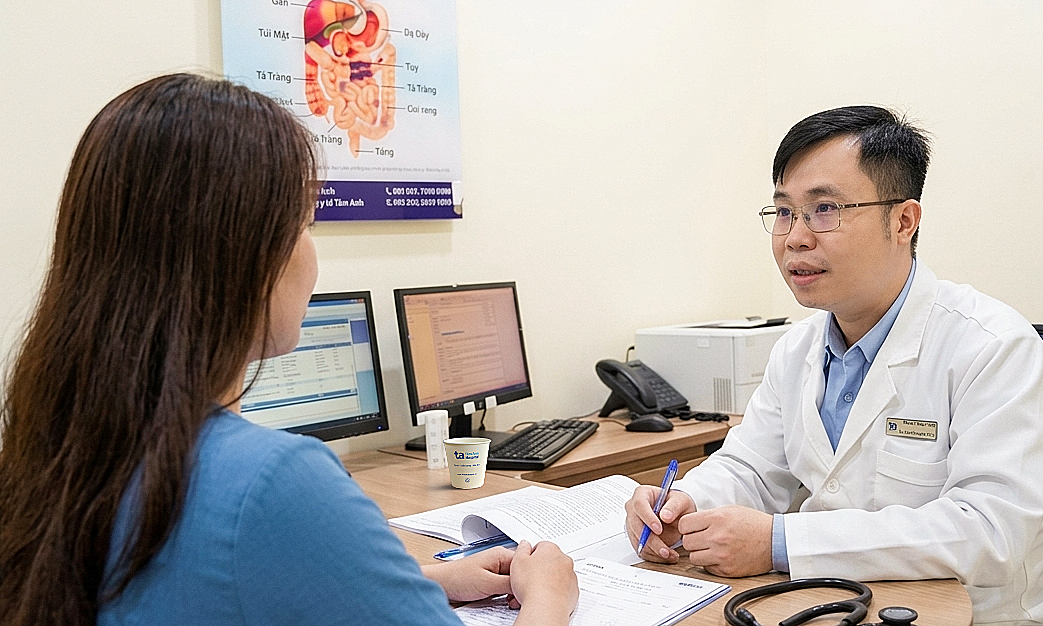
According to Dr. Chau Thi Anh, head of the Nutrition Department at Xuyen A General Hospital, TP HCM, a common mistake is forcing the body into strenuous activity immediately after a full meal. Naturally, the body prioritizes blood flow to the stomach and intestines for digestion. If one walks briskly or exercises immediately, blood flow diverts to the muscles. This slows down digestion, potentially leading to bloating, indigestion, and increasing the risk of acid reflux with uncomfortable symptoms like heartburn and acid regurgitation.
Beyond digestion, this habit negatively impacts the musculoskeletal and cardiovascular systems. With blood and oxygen prioritized for internal organs to process food, muscles do not receive optimal energy for activity. This reduces exercise performance, causes fatigue, and increases susceptibility to cramps. The heart then works twice as hard to pump blood simultaneously to two systems competing for energy. For older individuals or those with pre-existing heart conditions, this strain can lead to fatigue, palpitations, or dangerous shortness of breath.
While brisk walking immediately after eating is detrimental, opting for a gentle stroll offers significant health benefits. When walking slowly, active muscles promptly consume glucose absorbed into the bloodstream from the meal, requiring minimal insulin intervention. This mechanism helps flatten the blood sugar curve, which is highly beneficial for older adults in preventing and managing prediabetes or type 2 diabetes.
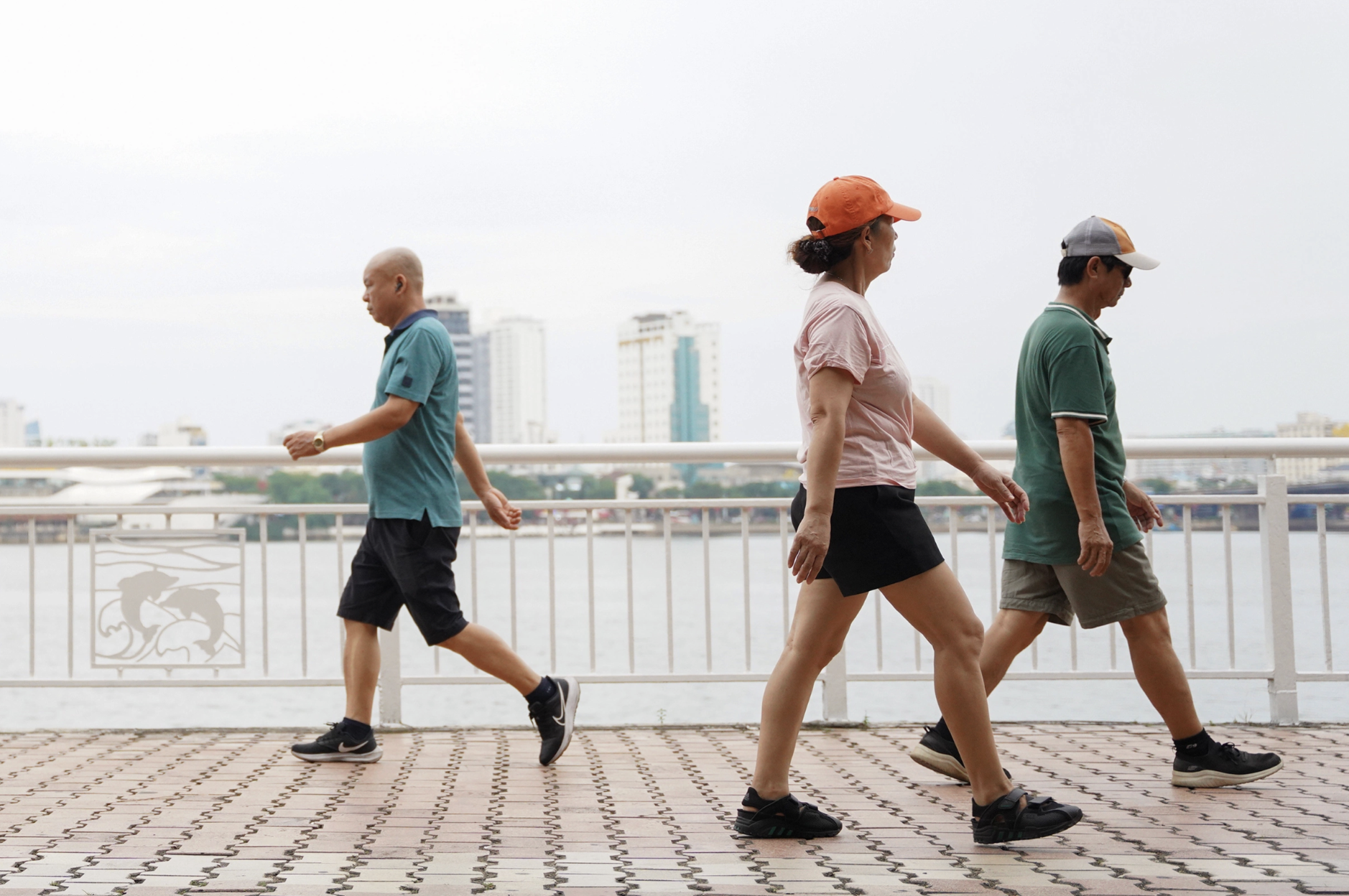 |
A gentle walk after eating offers significant health benefits. *Nguyen Dong* |
Therefore, the doctor emphasizes the need to distinguish between a "relaxing stroll" and "exercise walking." A stroll is beneficial if you walk slowly, maintain normal breathing, can converse comfortably, and do not sweat. Conversely, exercise walking, characterized by a fast pace, vigorous arm swings, elevated heart rate, and rapid breathing, is harmful if performed immediately after a meal. To maximize blood sugar control benefits without harming the stomach, strict adherence to timing and intensity principles is essential.
Specifically, immediately after a full meal, one should only rest leisurely or move very gently around the house to clear dishes, absolutely avoiding lying down to prevent reflux. Approximately 15 to 30 minutes after eating is an appropriate time for a gentle 10-15 minute stroll to regulate blood sugar. For actual exercise like brisk walking, jogging, or cycling, postpone it one to two hours after eating. This is the ideal time, as most food has been digested and moved from the stomach to the small intestine.
"The advice to walk to digest food is only valid if it involves extremely slow, leisurely steps. If you intend to exercise seriously for health, allow your stomach at least one hour to complete its task," Dr. Chau Thi Anh advises.
My Y