Dr. Nguyen Thac Dung, a Master of Science in the Respiratory Department at Tam Anh General Hospital in Hanoi, reported that Mr. Ta suffered from pleural and peritoneal effusions, diffuse thickening, and fluid in the pericardial space. Doctors performed fluid aspiration and conducted histopathological and microbiological tests to determine the cause.
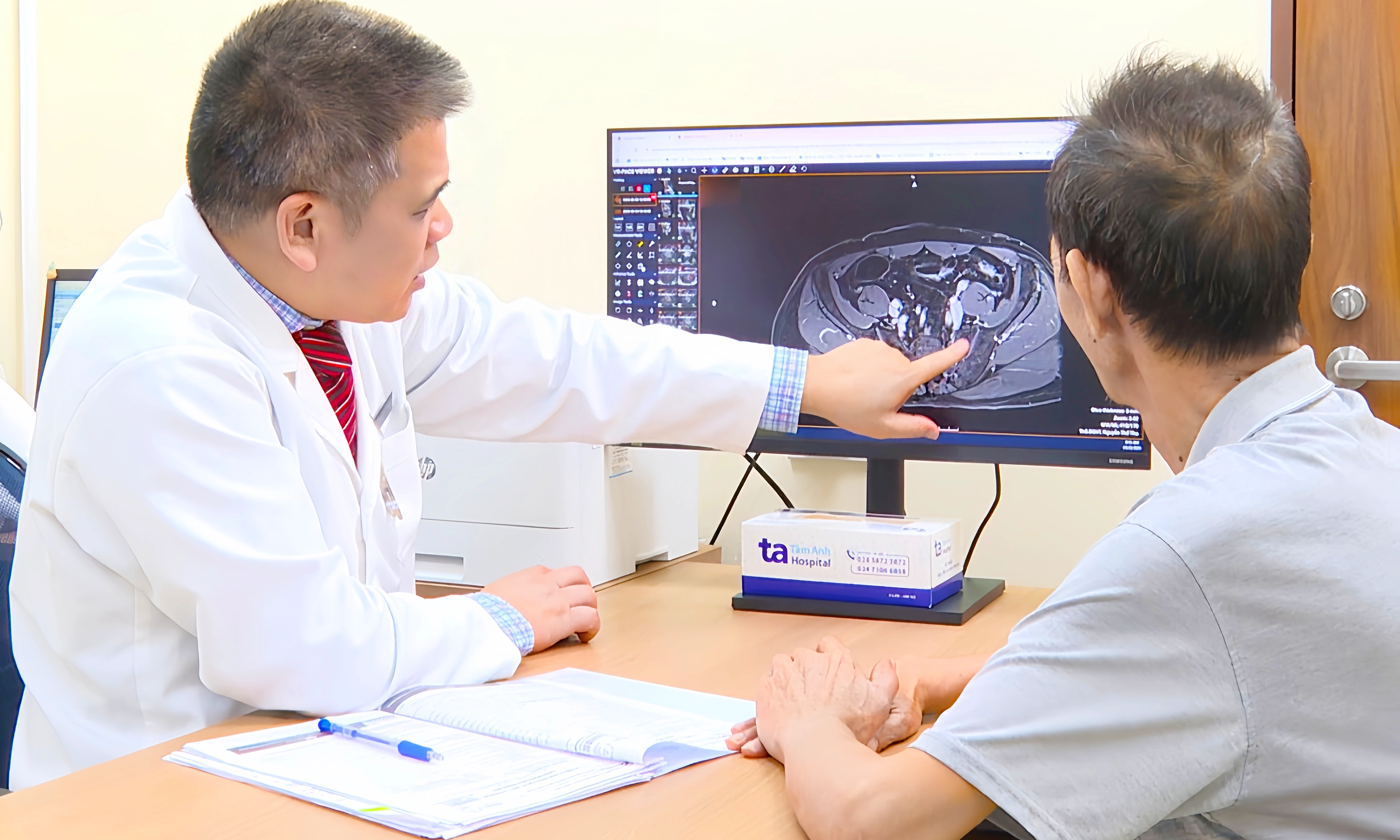
A cardiac Doppler ultrasound revealed Mr. Ta's pericardium was thickened and adhered in multiple locations, restricting heart wall movement. He also had a small amount of pericardial fluid, accompanied by a 6-7 mm thick fibrin layer in the pericardial space. These are characteristic signs of acute inflammation, which can lead to pericardial adhesion.
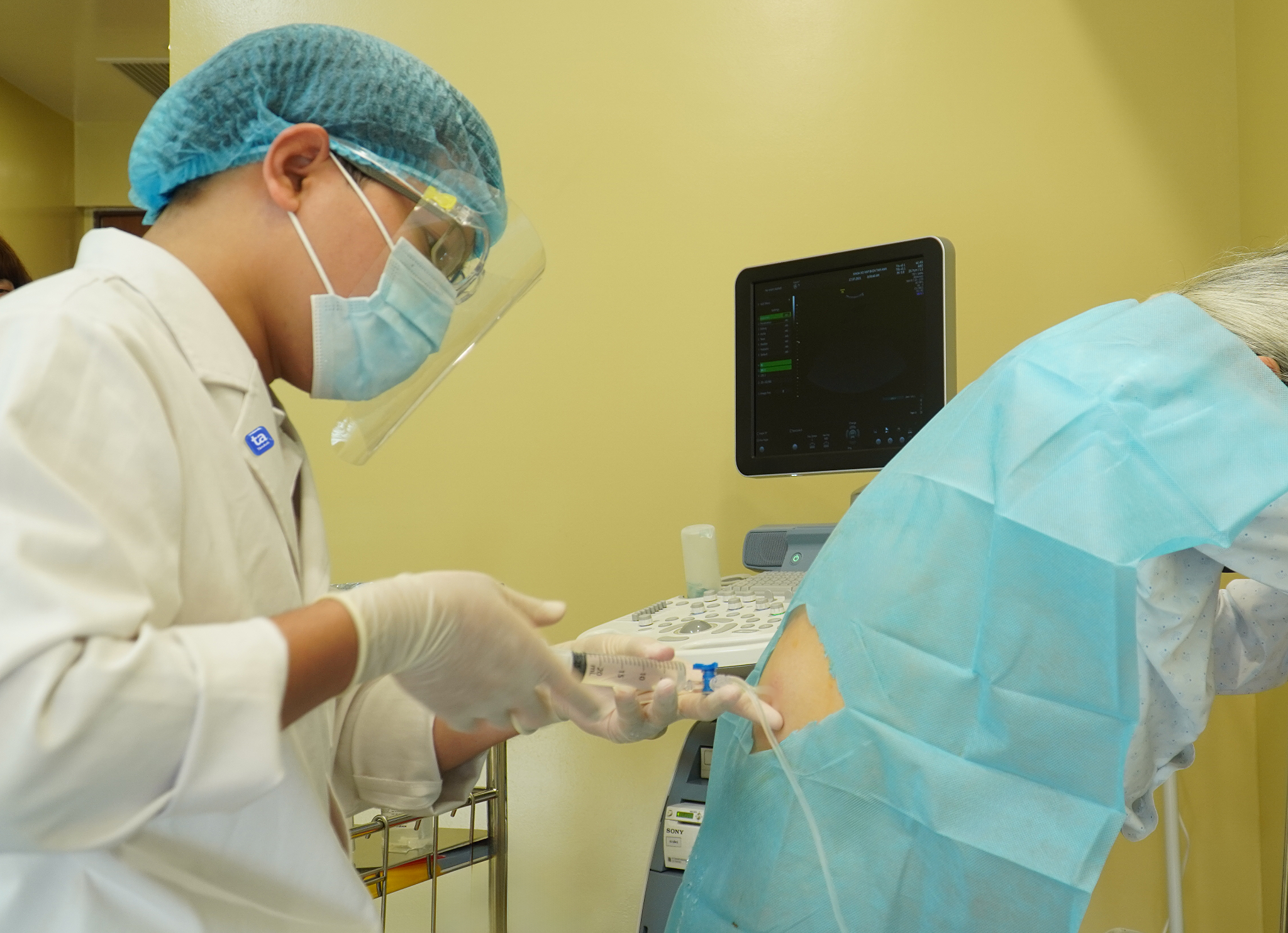 |
Doctors aspirating pleural fluid from a patient. Photo: Tam Anh General Hospital. |
Dr. Dung diagnosed Mr. Ta with constrictive pericarditis, also known as Pick's syndrome, caused by tuberculosis bacteria. This condition is challenging to diagnose. It occurs when the inflamed, thickened, and adherent pericardium, sometimes with calcification, loses elasticity, fibroses, and becomes a rigid shell around the heart. This ultimately reduces the heart's pumping capacity, leading to heart failure over time.
Mr. Ta also has several underlying health conditions, including type 2 diabetes, hypertension, fatty liver, gastritis, and spinal degeneration. Doctors are coordinating treatment with anti-tuberculosis drugs, antibiotics, anti-inflammatory medication, diuretics, blood pressure control, and liver function support. After nearly two weeks of treatment, his condition significantly improved. He requires close monitoring to manage the disease and assess long-term response.
According to Dr. Dung, tuberculosis bacteria typically damage the lungs but can invade the pericardium, causing constrictive pericarditis and leading to polyserositis.
Beyond tuberculosis, constrictive pericarditis can also stem from chest trauma, autoimmune diseases, complications following heart surgery, cancer, or other viral or bacterial infections. The disease often progresses silently, making it difficult to diagnose and requiring clinical correlation with various imaging diagnostics. If detected late, patients face risks of heart failure, respiratory failure, disability, or death.
Dr. Dung noted that polyserositis caused by constrictive pericarditis can improve significantly with early detection and timely medical treatment. If the pericardium is extensively fibrosed and thickened, patients may require a pericardiectomy. This surgical procedure removes the rigid fibrous layer, releasing the heart and allowing it to expand and function normally again.
Doctors advise individuals experiencing a persistent cough, shortness of breath, chest pain/tightness, leg swelling, or gradual abdominal distension, especially if symptoms last for many weeks without improvement, to seek early medical attention.
Tran Duong
*Patient's name has been changed
| Readers can submit respiratory health questions here for doctors to answer |