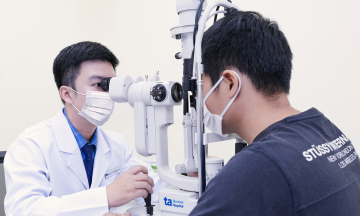
Seeing halos around light sources results from diffraction, which occurs when light bends as it enters the eye. This phenomenon is common when looking directly at headlights or light bulbs, especially at night. In some cases, it is a normal eye reaction or simply due to wearing eyeglasses or contact lenses. However, if halos appear with other symptoms, they may indicate an underlying medical condition.
Cataracts
Halos are one of the common symptoms of cataracts, particularly posterior subcapsular cataracts. Patients may experience light sensitivity, blurry near vision, glare, and halos around light sources. This condition is more common in individuals with diabetes or those on prolonged steroid use.
Fuchs' corneal dystrophy
This inherited condition causes corneal swelling, scattering light and leading to blurry vision, worsening over time. In its early stage, fluid buildup overnight causes blurry vision upon waking, which improves within a few hours. As the disease progresses, the blurriness lasts longer, sometimes nearly all day.
Patients may also see halos, experience grittiness, pain, and discomfort in their eyes, especially in bright light. The condition typically affects individuals over 50.
Glaucoma
Seeing halos around lights is one of the symptoms of acute angle-closure glaucoma, a form of glaucoma where sudden pressure buildup occurs in the eye because fluid cannot drain. This is a medical emergency that can lead to blindness within a few days if left untreated.
Migraine
Some individuals with migraines may experience a pre-headache phase called an aura. During this phase, they might encounter visual disturbances such as halos around lights, flashing lights, zigzag lines, or temporary blurry or missing areas of vision before the headache begins. Symptoms typically last from 5 minutes to one hour and can vary during that time.
Dry eyes
When eyes are dry, the corneal surface becomes less smooth, causing light to scatter and creating halos around light sources. Patients may experience redness, burning, pain, or a stinging discomfort.
Photokeratitis
Halos can signal photokeratitis, caused by unprotected ultraviolet light exposure. This often occurs when sunlight reflects off snow or water and usually resolves on its own within a few days.
Beyond these conditions, halos around lights can also appear after LASIK surgery as the eyes adapt to the new corneal shape. This usually lasts a few weeks and then improves naturally. However, if accompanied by symptoms such as blurry vision, eye pain, reduced night vision, blind spots, or dry, red, itchy eyes, individuals should seek early medical attention for timely examination.
Bao Bao (According to Verywell Health)
| Readers can submit ophthalmology questions here for a doctor's response. |