Doctor of Clinical Nutrition I Dao Thi Yen Thuy, Head of the Department of Nutrition and Dietetics at Tam Anh General Hospital TP HCM, states that visceral fat stores energy and protects internal organs. However, if this index exceeds 10% of total body fat, it can increase the risk of many chronic diseases such as diabetes, fatty liver, high blood pressure, cardiovascular disease, and stroke. High body weight significantly increases the risk of visceral fat accumulation. Some non-obese individuals can still accumulate fat due to unhealthy eating habits, lack of physical activity, prolonged stress, or genetic factors.
The following foods, rich in protein, fiber, and unsaturated fats, should be prioritized in your diet to help manage visceral fat.
Salmon
A diet supporting visceral fat reduction requires a balanced intake of all nutrient groups. Protein helps maintain muscle mass and boosts metabolism. Soluble fiber slows digestion, contributing to blood sugar control. Healthy fats improve insulin sensitivity.
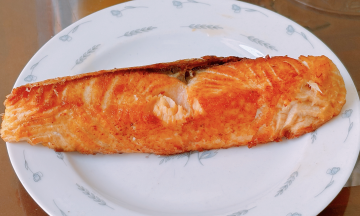
Salmon is rich in high-quality protein and omega-3s, beneficial fats with anti-inflammatory effects that improve lipid metabolism and insulin sensitivity. This food helps control visceral fat when combined with a suitable diet and exercise regimen.
 |
Doctor Yen Thuy advises a patient on their nutrition plan. *Photo: Tam Anh General Hospital* |
Eggs
Eggs are rich in protein and low in calories, which can prolong feelings of fullness and reduce calorie intake in subsequent meals. The choline nutrient in eggs also supports the liver in metabolizing fats effectively.
Avocado
Avocados contain large amounts of monounsaturated fats (oleic acid) and high fiber. The combination of these two substances can help stabilize post-meal blood sugar, maintain satiety, and support weight management.
Broccoli
Broccoli is rich in soluble fiber, vitamin C, and antioxidant compounds, and is low in calories (100 grams contains only about 39 calories). The soluble fiber in broccoli forms a gel-like layer in the intestines, limiting the absorption of bad fats and nourishing a healthy gut microbiome.
Oats and sweet potatoes
These are sources of complex carbohydrates (slow-absorbing starches), rich in fiber, suitable as alternatives to white rice or white bread. This food group releases energy gradually, maintains stable insulin levels, and helps control visceral fat accumulation.
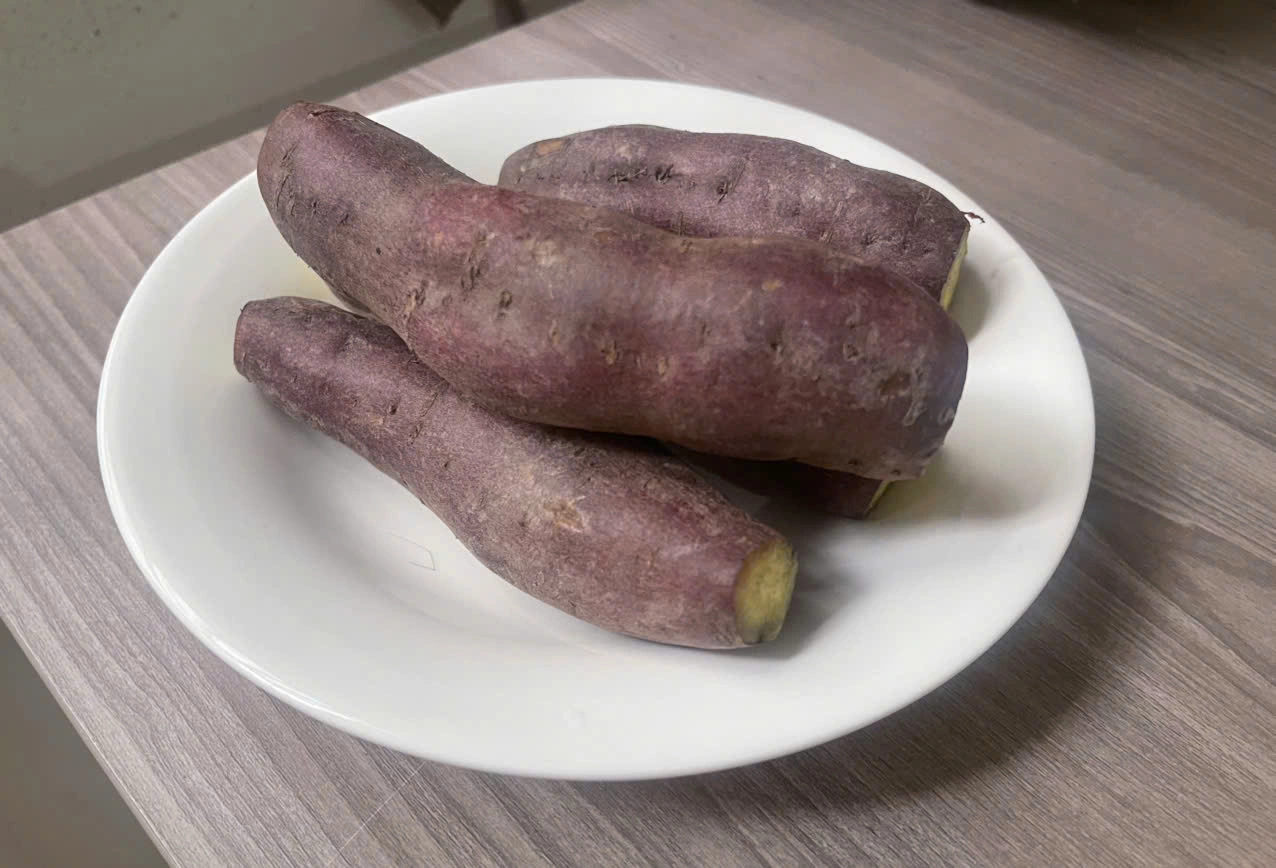 |
Sweet potatoes are good for weight loss. *Photo: Le Nguyen* |
Ginger and chili peppers
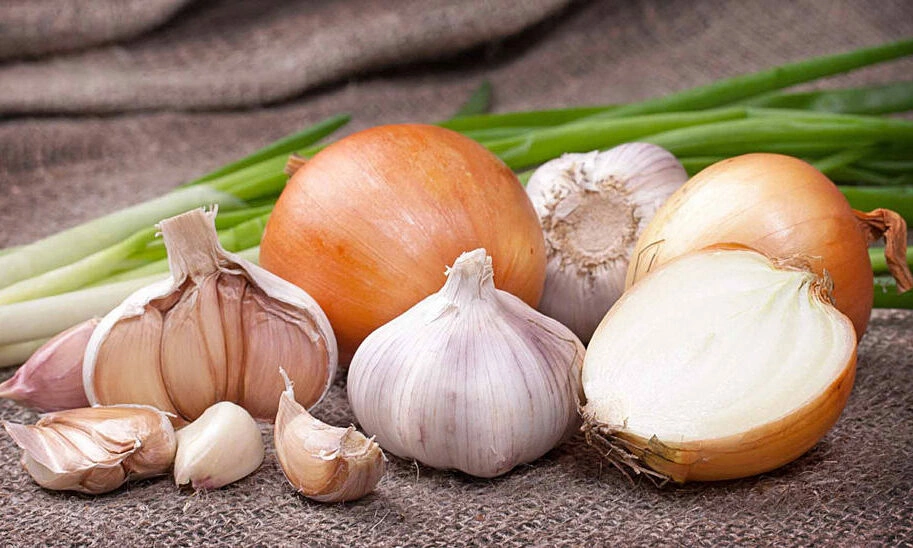
Natural compounds in ginger and the active compound capsaicin in chili peppers can slightly increase body temperature and energy expenditure. They also support metabolism and weight control when combined with a reasonable diet and regular exercise.
Greek yogurt
Unsweetened Greek yogurt is rich in protein and calcium, increasing feelings of fullness. Consuming unsweetened yogurt combined with a balanced diet and regular physical activity helps maintain muscle mass and promotes the burning of excess fat.
Individuals with a high visceral fat ratio can supplement with bioactive compounds from S. Marianum (milk thistle) and Wasabia Japonica. This duo of essences supports the regulation of Kupffer cells in the liver, potentially increasing detoxification and metabolic capabilities, thereby helping to limit excess fat accumulation and support the management of fatty liver.
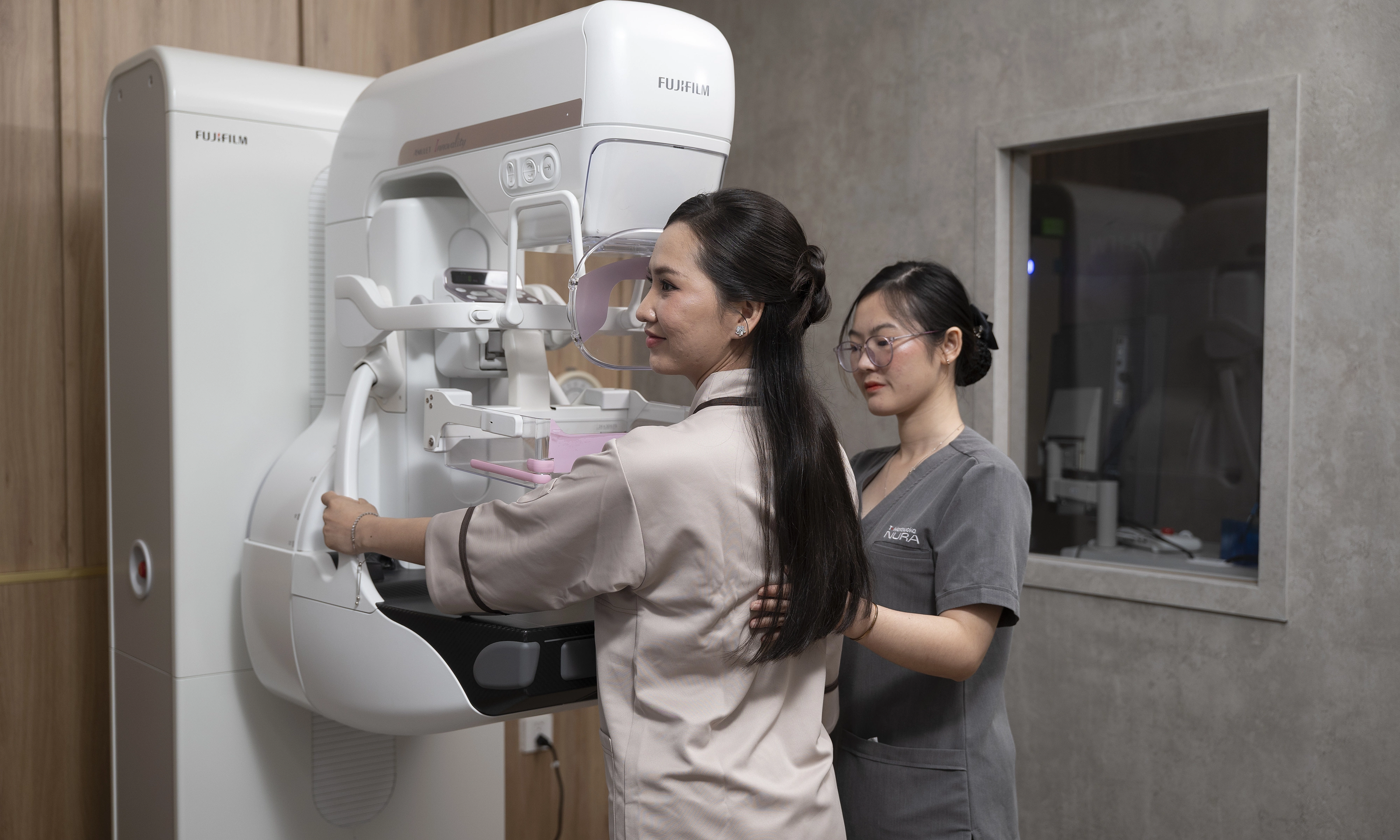
Doctor Yen Thuy recommends that individuals with rapidly increasing waist circumference, overweight, obesity, high blood pressure, diabetes, dyslipidemia, or fatty liver should seek nutritional consultation. Doctors can assess body composition using an InBody machine or MRI/CT scans to accurately determine visceral fat status, thereby developing suitable nutrition and exercise plans.
Bui Duc
| Readers can submit nutrition questions here for doctor's answers |