Raw marinated seafood dishes, such as crabs, shrimp, and salmon, are popular for their rich flavors. However, specialist Nguyen Thi Quynh, from the Nutrition Department at Tam Anh General Hospital Hanoi, explains that soy sauce and other seasonings only alter the color and taste through osmosis. They do not eliminate bacteria, viruses, or parasites present in seafood. Therefore, marinated seafood is considered a raw food, carrying potential health risks.
Risk of parasitic infection
Seafood, including salmon, mackerel, and herring, can contain anisakis worm larvae. If live anisakis larvae are consumed, the parasites can attach to or penetrate the gastrointestinal lining, causing abdominal pain, nausea, and acute digestive disorders. Some cases present symptoms similar to acute gastritis or appendicitis, making diagnosis difficult. Certain individuals may experience severe allergic reactions, even anaphylactic shock, triggered by the worm's antigens.
Beyond anisakis worms, some crab and shrimp species can be intermediate hosts for parasites like lung flukes. Once they enter the body, lung flukes can migrate to the lungs, leading to chronic cough and chest pain.
Risk of bacterial infection
Raw seafood can also be a source of various bacteria. Among these, vibrio parahaemolyticus is a common cause of acute gastroenteritis. Consumers may experience symptoms such as abdominal pain, diarrhea, nausea, fever, and dehydration within hours to a day.
Vibrio vulnificus is a bacterium that can cause rapidly progressing soft tissue infections and severe sepsis in individuals with underlying health conditions. Once in the bloodstream, the bacteria can lead to septicemia, soft tissue necrosis, and multi-organ failure.
The preparation and handling of raw seafood can also lead to cross-contamination with intestinal bacteria like salmonella or e.coli. This can occur from knives, cutting boards, handlers' hands, or unsanitary water sources. These agents can easily cause acute diarrhea, abdominal pain, fever, and dehydration.
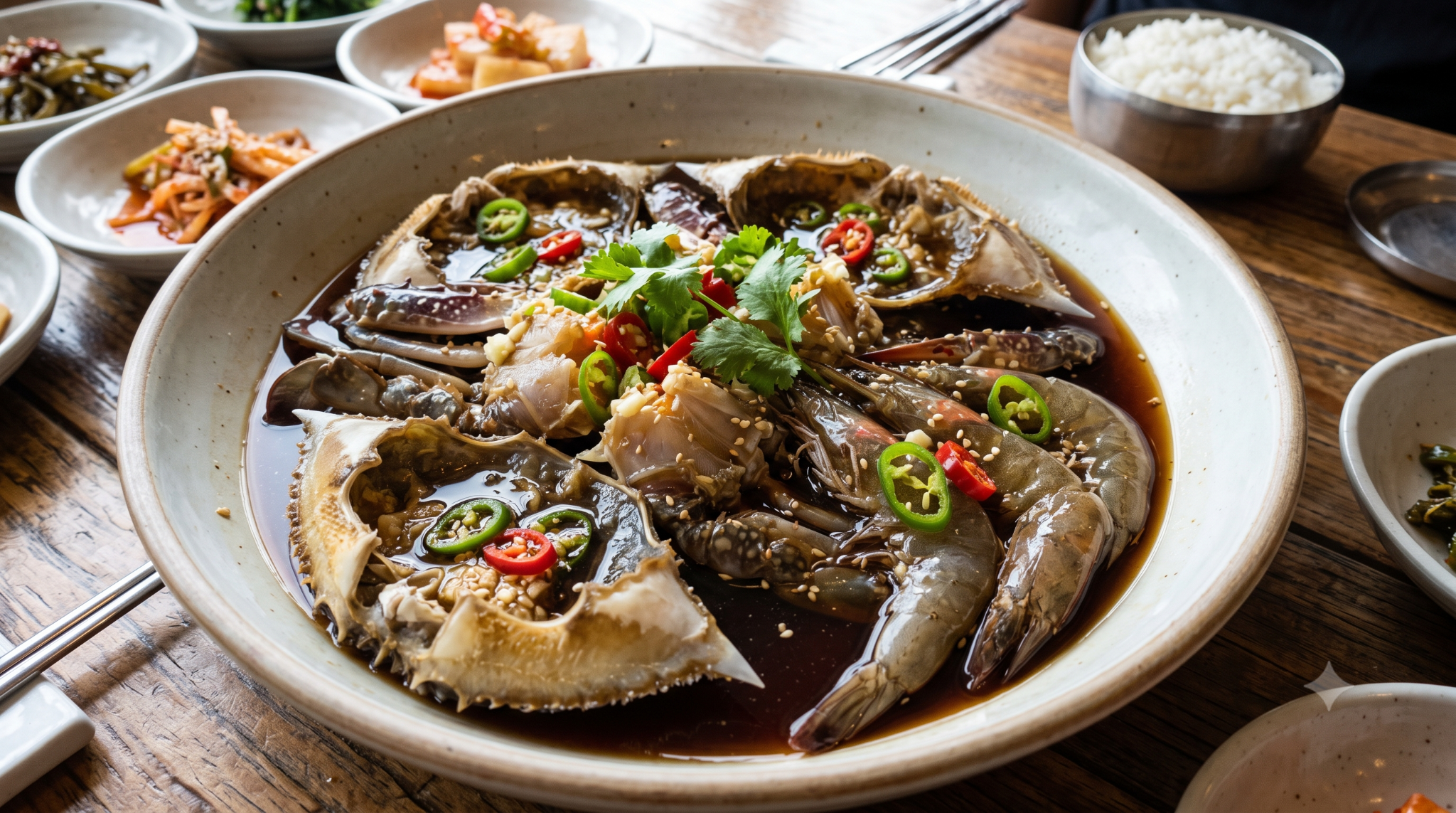 |
Consuming raw seafood marinated in soy sauce carries a risk of intestinal bacterial infection. Image created by AI |
Consuming raw seafood marinated in soy sauce carries a risk of intestinal bacterial infection. Image created by AI
Increased burden on cardiovascular system and kidneys
Marinated seafood dishes often contain high sodium levels. The World Health Organization (WHO) recommends that adults consume less than 5 g of salt daily. Regular consumption of overly salty foods causes the body to retain water, increasing blood pressure and adding strain to the cardiovascular system and kidney filtration function.
Risk of poisoning from ingredients and processing
According to specialist Quynh, soybeans or grains used in soy sauce production, if not quality-controlled, can be contaminated with mold that produces aflatoxin. This toxin is highly heat-stable and not easily destroyed during typical cooking processes.
Besides soy sauce, seafood stored improperly can accumulate histamine, especially in certain marine fish species. This substance can cause allergic reactions such as hives, itching, headaches, facial flushing, or digestive disorders in sensitive individuals.
To reduce the risk of parasitic infection from raw seafood, the U.S. Food and Drug Administration (FDA) recommends that seafood intended for raw consumption be frozen at -20 degrees Celsius for at least 7 days or at -35 degrees Celsius for a minimum of 15 hours. These conditions are difficult for most home freezers to meet.
Children, pregnant women, the elderly, and individuals with chronic liver disease, chronic kidney disease, or compromised immune systems should limit or avoid consuming raw seafood.
Trinh Mai
| Readers can ask nutrition questions here for doctors to answer. |