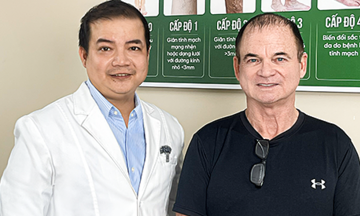
Dr. Mai Manh Tam, Deputy Head of the Respiratory Department at Tam Anh General Hospital in Hanoi, states that respiratory syncytial virus (RSV) is a common pathogen in young children, especially those under two years old. However, individuals over 60 or those with chronic underlying health conditions are most severely affected by RSV infection.
The elderly have weakened immune systems and slower virus clearance over time, leading to a higher risk of RSV infection and severe progression. When the virus enters, the airway lining becomes swollen, increases mucus secretion, and experiences obstruction. Age-related physiological changes, such as reduced lung elasticity and decreased respiratory muscle function, allow RSV to spread deeper into the small airways, causing bronchiolitis or pneumonia. Epithelial damage and local immune response dysfunction further increase the risk of bacterial superinfection, particularly pneumonia.
For individuals who smoke regularly or are exposed to secondhand smoke, or those with underlying respiratory conditions such as chronic obstructive pulmonary disease (COPD), asthma, or bronchiectasis, RSV can cause inflammatory swelling and exudation, leading to airway obstruction.
According to Dr. Tam, RSV infection in the elderly significantly increases the risk of acute cardiovascular events. Within 14 days following infection, the risk of hospitalization due to heart failure increases by approximately 4 times, and the risk of ischemic stroke increases by up to 8 times compared to the non-infected period. RSV can promote inflammation and thrombotic disorders, exacerbating cardiovascular disease. However, evidence regarding RSV's long-term role in atherosclerosis development remains limited.
RSV infection symptoms in the elderly are often atypical. Common manifestations include nasal congestion, clear to slightly thick runny nose, dry cough, sore throat, and sneezing, with or without fever. Many patients experience only fatigue, reduced appetite, or mild shortness of breath, which can easily be mistaken for an exacerbation of chronic underlying conditions.
RSV has a short incubation period and spreads rapidly, easily causing community outbreaks. The virus is primarily transmitted through respiratory droplets when an infected person coughs or sneezes. Currently, there is no specific treatment for RSV infection. Treatment measures mainly focus on respiratory support and symptomatic care. Therefore, RSV prevention plays a crucial role.
Dr. Tam advises that elderly individuals should maintain frequent handwashing with soap for at least 20 seconds and regularly clean and disinfect high-touch surfaces. They should avoid close contact with anyone exhibiting respiratory viral symptoms (coughing, sneezing, runny nose) and refrain from sharing personal items. Wearing a mask and applying appropriate protective measures is recommended. When coughing or sneezing, cover the mouth with a tissue, discard it in a closed bin, and wash hands immediately afterward. Elderly individuals should also avoid smoking and get the RSV vaccine. Those with underlying health conditions need to closely monitor for any unusual symptoms. If a cough persists for more than one week, or if there is increasing shortness of breath, chest pain, severe fatigue, reduced appetite, or bluish lips or fingernails, medical attention should be sought promptly.
Trinh Mai
| Readers can ask respiratory health questions here for doctors to answer. |