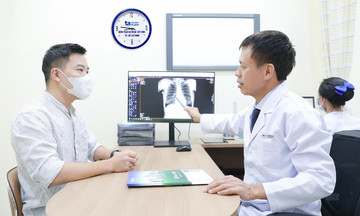
When numerous white patches appeared in his mouth, and medication and saline rinses provided no relief, along with a disturbance in taste, Hao sought examination at Tam Anh General Hospital Ho Chi Minh City. The examination, including a throat endoscopy, revealed extensive white patches adhering to the oral mucosa, soft palate, and tongue.
Dr. Pham Thai Duy, a Level II Specialist from the Ear, Nose, and Throat Center, diagnosed Hao with oral thrush. Typically, oral thrush responds well to treatment, is limited in scope, and rarely spreads. However, Hao, being young and without underlying conditions like diabetes, prolonged corticosteroid use, radiation, or chemotherapy, presented with a severe, rapidly spreading fungal infection that showed poor response to treatment.
Fresh smear tests and an immune deficiency assessment revealed the presence of anti-HIV antibodies, numerous fungal hyphae, and spores in Hao's system. One week later, confirmatory tests confirmed an HIV-positive diagnosis, leading Hao to begin concurrent treatment for both HIV and the oral thrush.
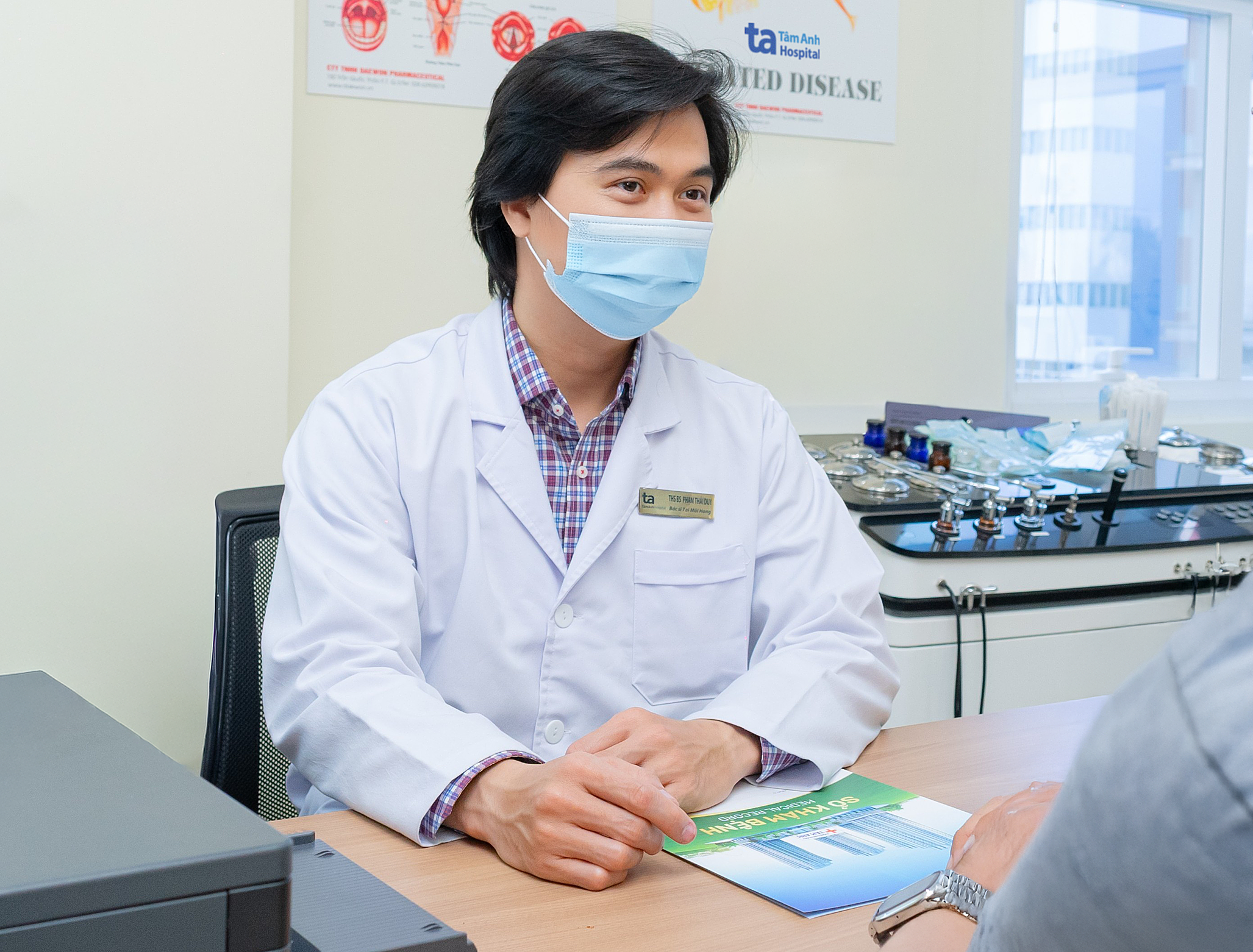 |
Dr. Thai Duy advises Hao on treatment. Photo: Tam Anh General Hospital |
"Oral thrush can be an early sign of HIV infection, but not every case of oral thrush means someone has HIV," explained Dr. Duy. Elderly individuals with multiple chronic conditions, those on long-term corticosteroid throat sprays (e.g., for asthma), and people with HIV/AIDS face a higher risk of developing oral thrush. Immune deficiency allows the fungus to proliferate excessively, causing damage to the throat lining.
HIV, the human immunodeficiency virus, destroys CD4 white blood cells—the body's protective barrier—rendering it unable to combat pathogens effectively. This vulnerability makes individuals prone to opportunistic infections. Candida fungus, which causes thrush, naturally resides in the oral cavity and digestive tract.
Patients require long-term antiretroviral (ARV) medication to control the virus, restore immune function, and prevent opportunistic infections. HIV is transmitted through unsafe sexual contact, exposure to infected blood or blood products (such as sharing needles or sharp objects), and from mother to child during pregnancy, childbirth, or breastfeeding.
Preventing HIV infection involves practicing safe sex, avoiding the sharing of needles or sharp objects that can cause bleeding, and undergoing regular HIV testing if at risk. Pregnant women should seek early HIV testing for timely counseling and treatment, reducing the risk of mother-to-child transmission. Individuals diagnosed with HIV must adhere to their prescribed treatment to minimize transmission risk to others.
Dr. Thai Duy advises that individuals experiencing persistent sore throats, painful swallowing, white patches or pseudomembranes on the throat or tongue, dry mouth, or altered taste that does not improve with medication, should consult an Ear, Nose, and Throat specialist for early assessment and treatment to prevent complications.
Uyen Trinh
*Patient's name has been changed
| Readers can submit questions about cancer here for doctors to answer |