As people age, bones naturally lose strength, density, and mass, increasing the risk of osteoporosis – a condition where bones become weak and prone to fractures. While aging is an irreversible process, certain lifestyle habits can slow this decline and help maintain strong bones long-term.
Maintain a balanced diet
According to Verywell Health, nutrient absorption and metabolism shift with age, and the diets of older adults often lack essential vitamins and minerals, particularly calcium. Calcium forms the primary structure of bones, vitamin D aids calcium absorption, and protein is crucial for building and maintaining bone structure.
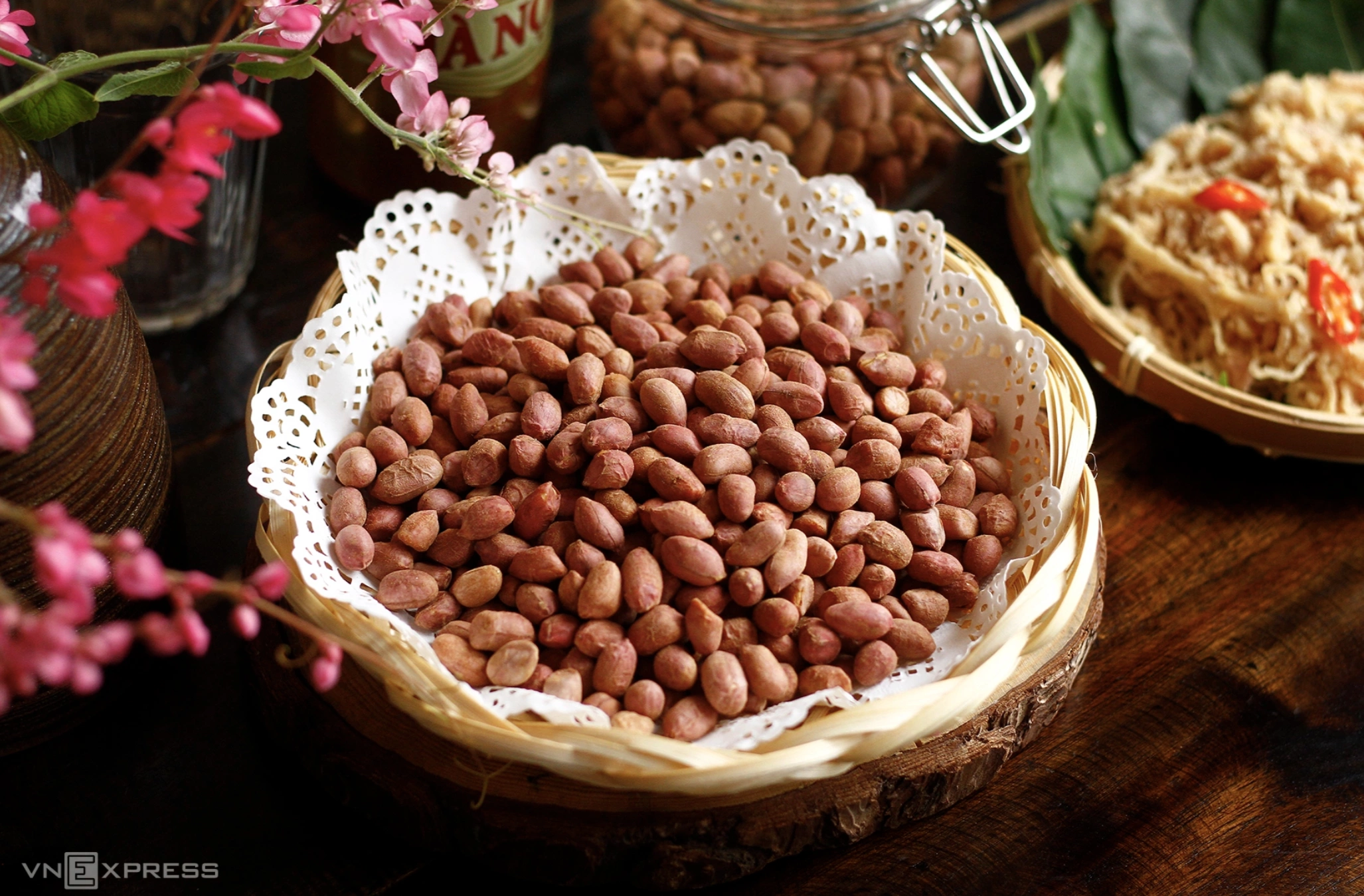
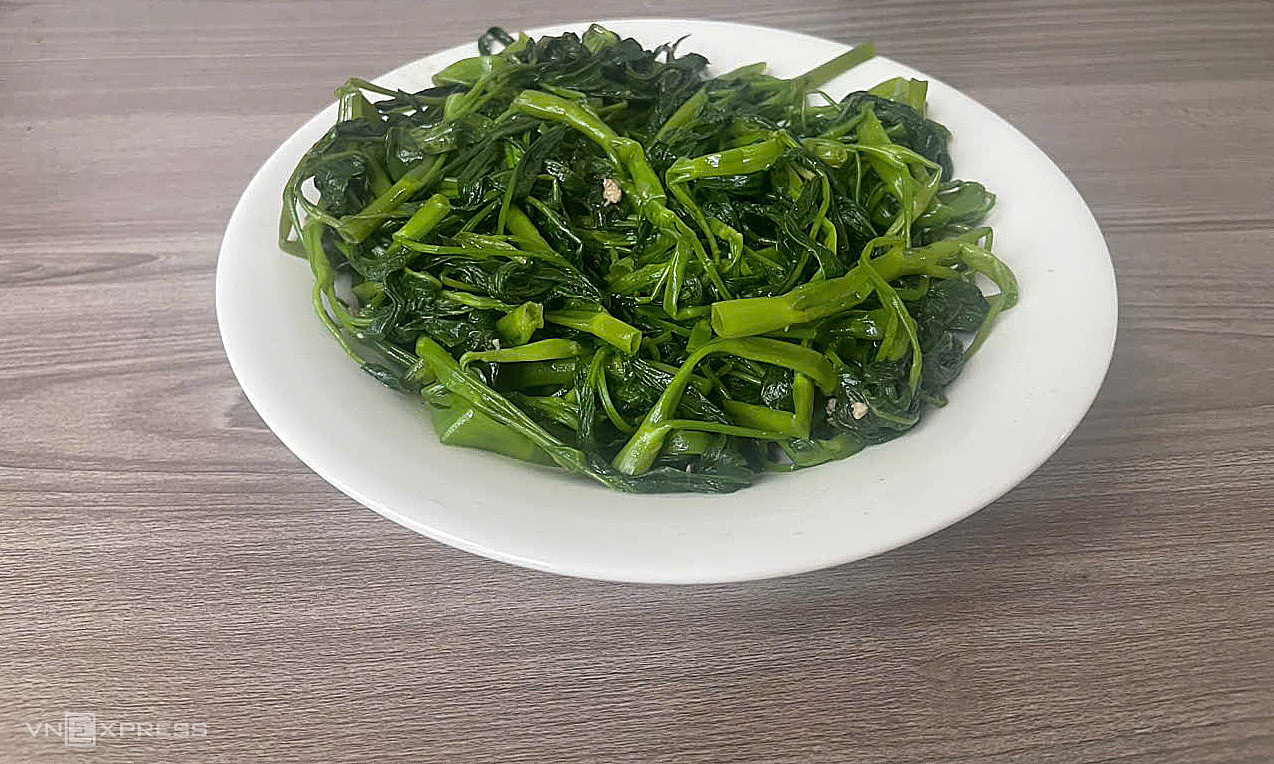
Beyond calcium and protein, collagen also plays a vital role in maintaining bone and muscle structure. Bone-friendly foods, including milk, cheese, yogurt, and green vegetables, provide essential micronutrients and can reduce the risk of falls and fractures. Fiber in food further supports nutrient absorption.
Increase physical activity
According to Times of India, regular exercise is a key factor in maintaining bone health during aging. Resistance exercises, such as weightlifting, using resistance bands, or bodyweight training, can increase bone density and minimize bone loss. Consistent physical activity also strengthens bones, enhances mobility, and lowers the risk of falls in older adults.
High-intensity resistance training and targeted exercises for specific bone regions can boost bone mineral density (BMD) and reduce fall risk in older adults and individuals with osteoporosis.
Resistance training can involve lifting weights, using resistance bands, or performing push-ups. Falls and fractures often cause pain. Exercises that promote spinal extension and improve posture can alleviate such discomfort.
 |
The cobra yoga pose helps stretch and open the spine, maintaining bone health. Photo: Quynh Dung |
Quit smoking
Tobacco contains numerous harmful substances that disrupt bone regeneration, progressively weakening bones. Smoking also delays bone healing after injury. Smokers face a higher risk of fractures, particularly hip fractures, compared to non-smokers.
Limit alcohol consumption
Alcohol can impair bone regeneration, resulting in reduced bone density and strength. Moreover, alcohol increases the risk of falls and injuries, which is particularly dangerous for older adults. Limiting alcohol intake is a crucial factor in protecting the skeletal system.
Prevent falls
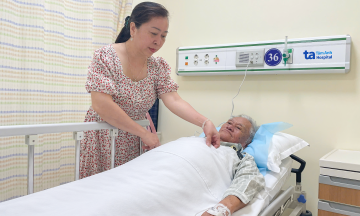
Falls represent a leading cause of fractures among older adults, often resulting in lost mobility or a reduced quality of life.
The fear of falling can also lead older adults to reduce activity, which in turn increases muscle weakness and further elevates future fall risk. Prevention strategies include: maintaining safe, non-slippery floors; undergoing regular vision and hearing checks; using handrails when necessary; getting sufficient sleep; and moving carefully in adverse weather. Consulting a doctor about medication side effects, utilizing mobility aids if required, and wearing non-slip shoes can also be beneficial.
Bao Bao (Compiled)