Vegetables and fruits
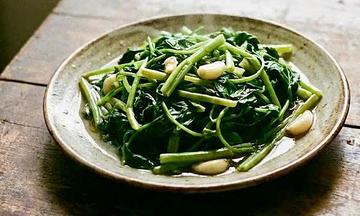
Vegetables and fruits offer essential vitamins, minerals, fiber, and antioxidants. These nutrients help reduce inflammation, manage menopausal symptoms like hot flashes, night sweats, and anxiety, while also aiding hormone balance and weight control.
Whole grains
Increasing whole grain consumption during menopause benefits cardiovascular health. As estrogen levels decline, women become more susceptible to dyslipidemia, high blood pressure, and atherosclerosis, which elevates the risk of coronary artery disease and stroke.
Soybeans
Soy products contain phytoestrogens, compounds structurally and functionally similar to estrogen. Foods like tofu, tempeh, and soy milk can help reduce hot flashes and other menopausal symptoms. Soy also provides high-quality plant protein, along with vitamins and minerals, supporting overall health and muscle mass.
Lean protein-rich foods
Lean proteins such as chicken, turkey, plant-based proteins, and low-fat dairy help maintain muscle mass, which typically decreases during menopause. Prioritizing plant proteins also contributes to overall health and may be associated with a lower risk of early menopause.
Foods providing healthy fats
Compared to saturated and trans fats, polyunsaturated fats found in fatty fish, avocados, and nuts offer cardiovascular benefits. Including healthy fats in your diet can improve blood cholesterol levels and reduce the risk of heart disease during this phase.
Calcium and vitamin D-rich foods
The risk of osteoporosis rises significantly during menopause due to declining estrogen, a hormone crucial for bone protection. Low estrogen levels accelerate bone breakdown over bone formation, leading to reduced bone density and an increased risk of fractures. Increasing calcium and vitamin D intake helps mitigate this risk. Women should incorporate sesame, mushrooms, fish, eggs, milk, and dairy products into their daily diet.
Foods to limit
During menopause, metabolic changes mean that consuming excessive added sugar increases the risk of type 2 diabetes. Ultra-processed foods rich in sodium can lead to water retention and elevated blood pressure. Women should avoid trans fats and limit saturated fats to less than 10% of their total daily energy intake to mitigate the risk of weight gain and cardiovascular disease.
Le Nguyen (According to Very Well Health)
| Readers can submit questions about obstetrics and gynecology here for doctor consultation. |