"Eating healthy" is a scientific approach to diet tailored to individual needs. Instead of focusing solely on food labels, individuals should consider their total caloric intake, meal quality, and daily lifestyle to achieve desired health and weight goals.
A common cause of weight gain is consuming too many energy-dense foods. Nuts such as almonds, walnuts, cashews, and avocados contain saturated fatty acids beneficial for heart health but are also high in calories. Even a small serving of these foods can contain hundreds of calories. Regularly consuming large quantities can lead to an energy intake that exceeds the body's needs, resulting in weight gain.
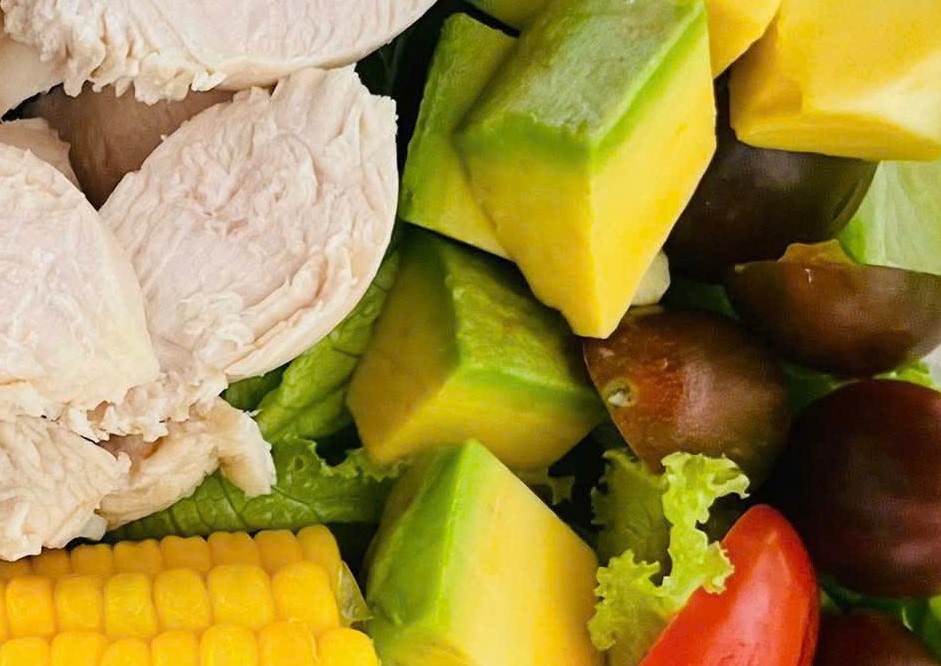 |
Many foods containing saturated fatty acids, such as avocados, are healthy but can cause weight gain if consumed in excess. Photo: Thanh Ba |
Many foods containing saturated fatty acids, such as avocados, are healthy but can cause weight gain if consumed in excess. Photo: Thanh Ba
Similarly, many opt for fruit smoothies or juices as meal replacements, believing these to be healthy choices. However, natural fruits are high in fructose. When blended or juiced, the amount of fruit consumed is often greater than eating it whole, significantly increasing sugar and calorie intake. Juices also reduce fiber content, which is crucial for prolonged satiety and blood sugar control.
Another mistake is over-relying on products labeled "healthy," "organic," or "low-fat." Many granolas, packaged nut milks, or energy bars contain added sugar, honey, or syrup to enhance flavor. Without carefully reading the ingredients, consumers may unknowingly consume a calorie count comparable to conventional foods.
Even healthy foods like salads, oats, or brown rice can lead to excess calorie intake when consumed in large portions. The mindset that "if it's healthy, I can eat as much as I want" often results in overconsumption and weight gain.
Nutritional imbalance also impacts weight management. Some individuals focus solely on vegetables and fruits, neglecting protein from meat, fish, eggs, or legumes. A lack of protein leads to quicker hunger, prompting more snacking throughout the day. This increases total calorie intake often unnoticed.
Even with a healthy diet, a sedentary lifestyle, insufficient sleep, or chronic stress can lead to fat accumulation. Sleep deprivation alters hormones that regulate hunger and satiety, making one prone to overeating. Stress can also trigger cravings for energy-dense foods like sweets or snacks.
To manage weight effectively, beyond choosing healthy foods, maintaining energy balance is crucial. This involves: portion control, diverse nutrient groups, and regular physical activity. A healthy meal should include adequate good carbohydrates like brown rice or whole grains, protein from meat, fish, eggs, or legumes, and healthy fats from nuts and green vegetables. With a balanced diet and consistent physical activity, the body utilizes energy efficiently.
Nutritionist Do Thi Lan
Department of Nutrition
Tam Anh General Hospital Hanoi
| Readers can submit nutrition questions here for doctor consultation. |