Acne is a chronic condition influenced by multiple factors, including excessive sebum production, follicular keratinization disorders, bacteria, hormonal imbalances, and inflammatory responses. Treatment that focuses solely on surface lesions often fails to provide lasting results and is prone to recurrence.
One common mistake is purchasing medication without first identifying the underlying cause of acne. Acne triggered by bacteria, increased skin oil, cosmetics, incorrect skincare practices, or medication side effects requires different management approaches. Without controlling these initial trigger factors, acne is highly likely to recur.
Another error is stopping medication as soon as your skin shows improvement. Acne formation develops over several weeks, and treatment often needs to be prolonged to effectively control inflammation and prevent new lesions from appearing.
Improper skincare practices can also contribute to recurrence. This includes excessive face washing, overusing exfoliating products, or combining multiple incompatible active ingredients, all of which can weaken the skin's protective barrier, making it more sensitive and prone to breakouts. Additionally, chronic stress and lack of sleep can elevate hormone levels that stimulate sebaceous glands, thereby promoting acne formation. An unbalanced diet, particularly one high in sugar and oily, fatty foods, is believed to be linked to inflammation, potentially worsening acne in some individuals.
To minimize acne recurrence, it is crucial to adhere to your prescribed treatment regimen and consistently maintain proper skincare. Do not arbitrarily stop medication when your skin clears, increase dosage, or combine multiple acne products with the aim of shortening treatment time. For individuals prone to recurrence, a doctor may prescribe maintenance treatment to control the formation of new acne lesions.
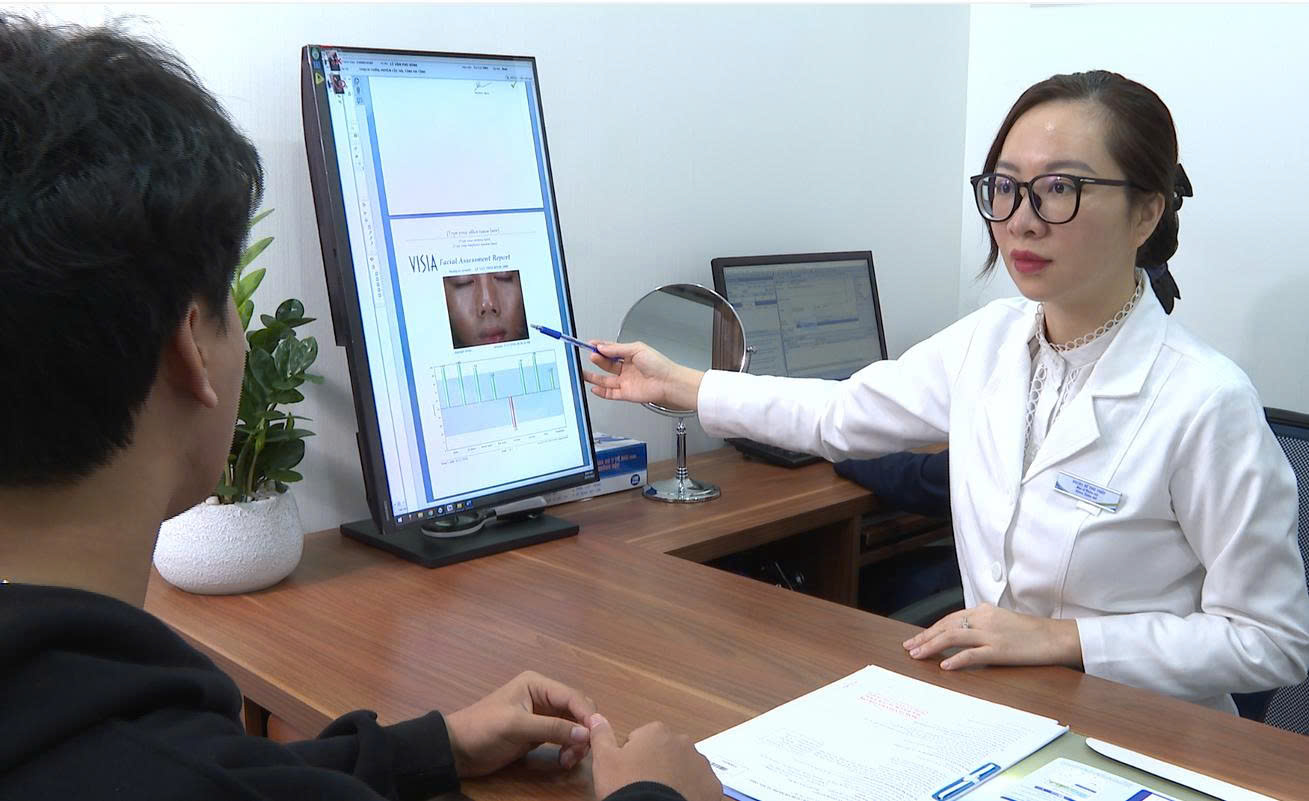 |
Dr. Thuy advises on acne treatment and recurrence prevention. Illustration: Tam Anh General Hospital
Beyond medication, proper skincare is essential. You should wash your face adequately, choose gentle products that do not clog pores, and avoid excessive scrubbing or exfoliation. Limit self-squeezing or picking at pimples, as this can increase inflammation, prolong hyperpigmentation, and raise the risk of scarring. Using appropriate sunscreen daily can protect your skin and reduce post-acne dark spots.
Lifestyle factors also play a role in managing acne. You should get enough sleep, manage stress, maintain a balanced diet, and monitor any specific factors related to your acne condition. If acne recurs with increasing frequency, especially with inflammatory, painful lesions or scarring, you should seek early medical evaluation and treatment adjustment instead of self-medicating.
Maintaining treatment as instructed, practicing proper skincare, and attending follow-up appointments will help reduce the risk of acne recurrence, while also minimizing post-acne hyperpigmentation and scarring.
Specialist Doctor I Be Thu Thuy
Department of Aesthetics
Tam Anh General Hospital Hanoi