Driven by the healthy living trend, many individuals are increasingly focused on incorporating protein into their daily diets. However, numerous foods perceived as protein-rich actually contain a high amount of starch and fat.
Doctor Wu Qiying, known for his YouTube channel Azure Pigeon where he shares medical knowledge and health care methods, identified five common "weight gain traps" caused by misleading food names, including meatballs and bean curd sheets. The former pediatrician at National Taiwan University Hospital warns that food names easily deceive consumers, leading them to primarily consume starch and fat.
On his personal page, he explained that a food's nutritional value must be based on its actual ingredient list, not just its name. Names that sound "meaty," such as meatballs, sausages, or vegetarian chicken, often mislead consumers about their protein content.
The chewy texture of meatballs often comes not from high-quality fresh meat, but from a high content of starch and binding additives. Most commercial meatballs on the market today have a significantly higher proportion of starch and fat compared to lean meat. This leads consumers to mistakenly believe they are eating a lot of meat, when they are primarily consuming starch and fat.
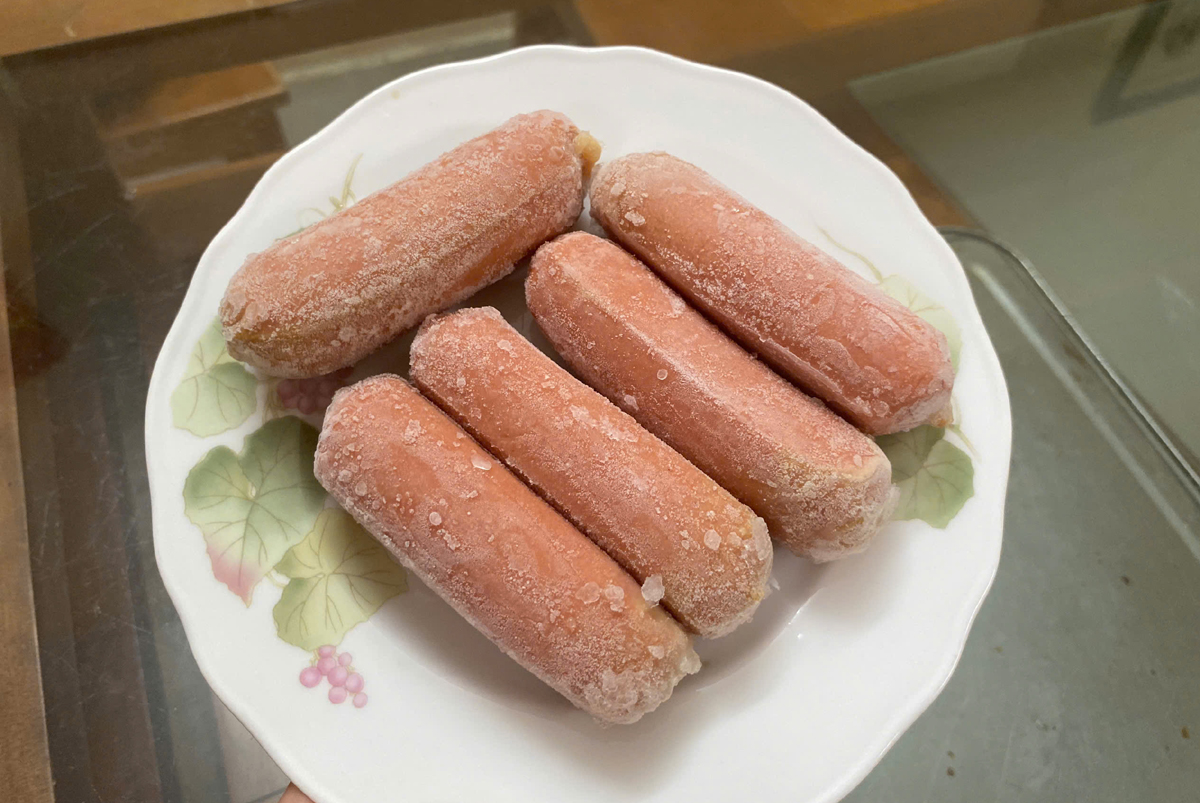 |
Sausage will be thawed after being taken from the freezer, before processing. Illustration: _Binh Minh_. |
Bean curd sheets are among the most misunderstood products. Unlike traditional tofu, manufacturers add oil and starch during their production to shape them and enhance flavor. Despite being associated with tofu, bean curd sheets have one of the highest calorie counts among soy products. For healthy plant-based protein, traditional firm or soft tofu are optimal choices.
Sausages are a typical processed meat, made from ground meat mixed with significant amounts of fat, starch, and binding additives. The actual protein content in sausages is not high, but their sodium content is substantial. Consuming just two to three pieces means the intake of fat and salt far exceeds the protein obtained.
Crab sticks represent a unique misconception, with many believing they are enjoying seafood. However, a look at the ingredient list reveals this product is primarily made from fish paste extract, starch, and seasoning, with virtually no real crab meat. While they offer a rich seafood flavor, the protein content provided by crab sticks is minimal.
Vegetarian chicken and vegetarian sausages are often chosen by vegetarians or those aiming to control meat intake as a primary plant-based protein source. However, these products contain high amounts of starch and often undergo deep-frying or prolonged soaking in fatty sauces. By the time they are served, the fat and starch consumed completely outweigh the initial minimal protein.
To effectively supplement protein, the doctor advises consumers to return to whole, unprocessed foods. Prioritize fresh meat, fish, eggs, or traditional tofu that has undergone minimal industrial processing. These are true protein sources, allowing the body to absorb nutrients well without the burden of excess starch and fat.
Binh Minh (According to SETN)