Response:
Allergic rhinitis occurs when the nasal lining overreacts to allergens such as house dust, pollen, mold, or animal dander. This reaction causes inflammation, swelling of the mucous membranes, and increased mucus production. Common symptoms include sneezing, an itchy nose, clear runny nose, and nasal congestion.
A 0.9% physiological saline solution has a salt concentration similar to body fluids. When sprayed or used as a nasal rinse, the solution helps thin mucus and clean the nasal cavity. It also washes away some allergens and irritants adhering to the mucous membranes, which contributes to reducing the severity of allergic rhinitis symptoms.
However, saline nasal rinsing cannot replace standard treatments, such as nasal sprays or oral medications prescribed by a doctor.
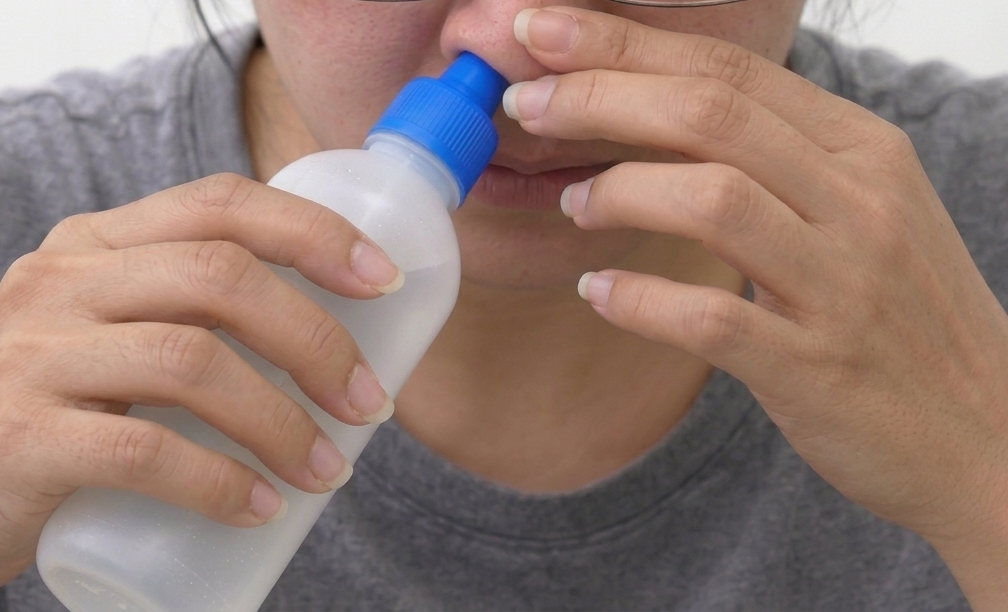 |
Saline nasal rinsing helps clean the nasal cavity. Illustration: Duy Anh.
You should use saline nasal rinsing as a supportive method to clear mucus and allergens and alleviate discomfort, rather than considering it a primary treatment.
To ensure safety, patients should use a dedicated nasal rinse bottle or device and pre-mixed saline solutions available at pharmacies. Avoid irrigating with excessive pressure. Clean and dry the device according to instructions to minimize contamination risks. If you experience irritation, discomfort, or nosebleeds after saline rinsing, stop immediately and consult a doctor.
If persistent nasal congestion, sneezing, or a runny nose affects your sleep, studies, or work, you should see a doctor to determine the underlying cause and receive appropriate treatment. Not all cases of congestion or runny nose are due to allergic rhinitis; these symptoms can also result from a common cold, non-allergic rhinitis, sinusitis, and various other conditions.
To protect your health and prevent allergic rhinitis, limit exposure to allergens such as dirt, dust mites, environmental pollution, and pollen. Wear a mask when outdoors or when in contact with individuals experiencing respiratory illnesses. Getting sufficient sleep, maintaining a healthy diet, adopting a scientific lifestyle, and drinking enough water all contribute to boosting immunity and reducing disease risk.
Master. Doctor Nguyen Duc Minh
Department of Otolaryngology
Tam Anh Hanoi General Hospital
| Readers can submit questions about ear, nose, and throat conditions here for a doctor's response. |