Stroke is often associated with risk factors such as high blood pressure, high cholesterol, overweight, obesity, and poorly controlled blood sugar. Adjusting one's diet, particularly breakfast, can help manage these factors and support cardiovascular and brain health.
Incorporate magnesium and folate-rich foods
According to Eating Well, incorporating magnesium and folate-rich foods into breakfast benefits heart health, thereby helping to reduce stroke risk factors. Magnesium plays a role in regulating blood pressure and blood vessel function. Folate (vitamin B9), meanwhile, is essential for metabolizing homocysteine, a substance that, if elevated in the blood, can be linked to blood vessel damage. Foods such as beans, leafy green vegetables, oats, nuts, and avocado can provide these two nutrients.
Add healthy protein
Adding good protein to breakfast helps balance the meal, increases satiety, and limits overeating at subsequent meals. A meal with good protein, combined with fiber-rich foods and whole grains, helps stabilize blood sugar, manage weight, and control cardiovascular risk factors linked to stroke.
Prioritize eggs, plain yogurt, tofu, beans, and fish. Limit sausages, bacon, cold cuts, and other processed meats.
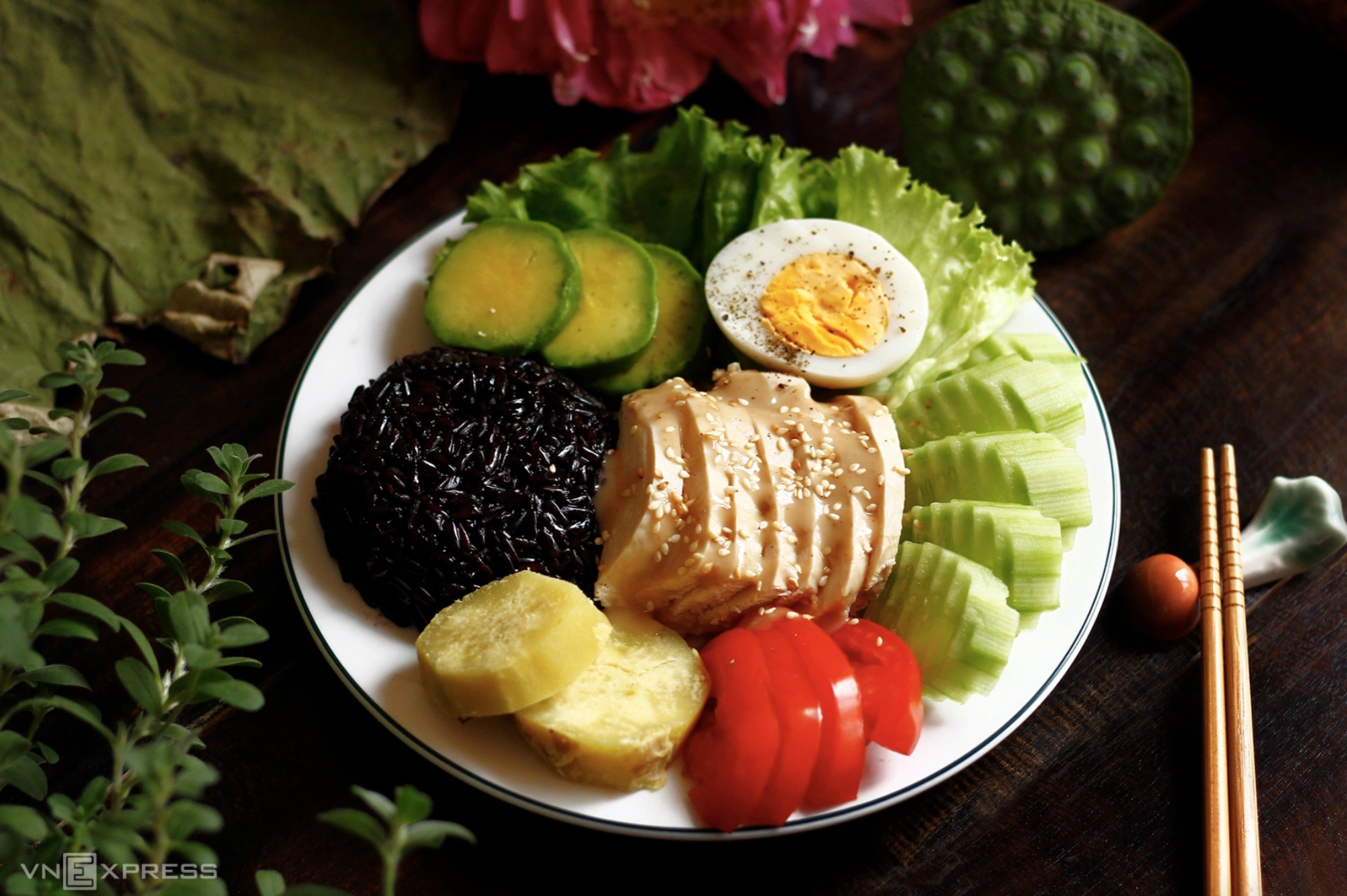 |
A nutritious breakfast supports good health. *Bui Thuy* |
Limit fried foods
Fried dishes are often rich in saturated fat and calories. Frequent consumption can increase cholesterol, lead to weight gain, and promote atherosclerosis, thereby raising stroke risk. Instead of eliminating fat entirely, individuals should prioritize unsaturated fat sources such as nuts, avocado, and vegetable oils.
Prioritize breakfasts low in added sugar
Consuming pastries, sugary cereals, milk tea, or soft drinks can significantly increase morning sugar and energy intake. Maintaining this habit can lead to excess energy, weight gain, and metabolic disorders, consequently raising cardiovascular and stroke risk factors. Individuals should prioritize water, plain milk, and herbal tea to protect overall health, according to The Times of India.
Add vegetables and fruits
Adding green vegetables and fruits to breakfast provides fiber, vitamins, and potassium—nutrients that help control blood pressure. Prolonged high blood pressure can damage blood vessel walls, thereby increasing the risk of brain blood vessel blockage or rupture.
You can add a portion of fruit to your breakfast or combine vegetables with eggs, whole-wheat bread, and tofu. It is advisable to eat whole fruit rather than regularly drinking juice, as this retains more fiber and promotes longer-lasting satiety.
Le Nguyen (Compiled)