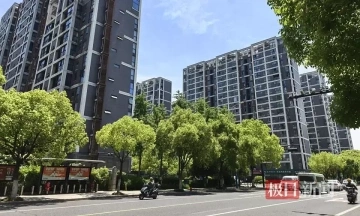
Two years ago, ms. Liu, who lives in Chaoyang district, Beijing, lost her only daughter. The profound grief from this loss drove the 80-year-old woman into a habit of compulsive shopping and hoarding to fill her loneliness.
Each day, ms. Liu spends time watching livestream sales and receives over 10 packages, primarily containing dietary supplements, food, and kitchenware. Her entire monthly pension of 4,000 yuan is spent on these purchases, even encroaching on her husband’s income.
Thousands of packages brought home remain unopened. Cardboard boxes and expired goods consume the space from the floor to the windowsills, spilling from the living room into the bedroom. The apartment is left with only a narrow path, requiring extreme caution to navigate. Potted plants, lacking space, were moved onto the bed and withered from lack of water.
"I do not want to see an empty home. Many items create a sense of family atmosphere", ms. Liu stated.
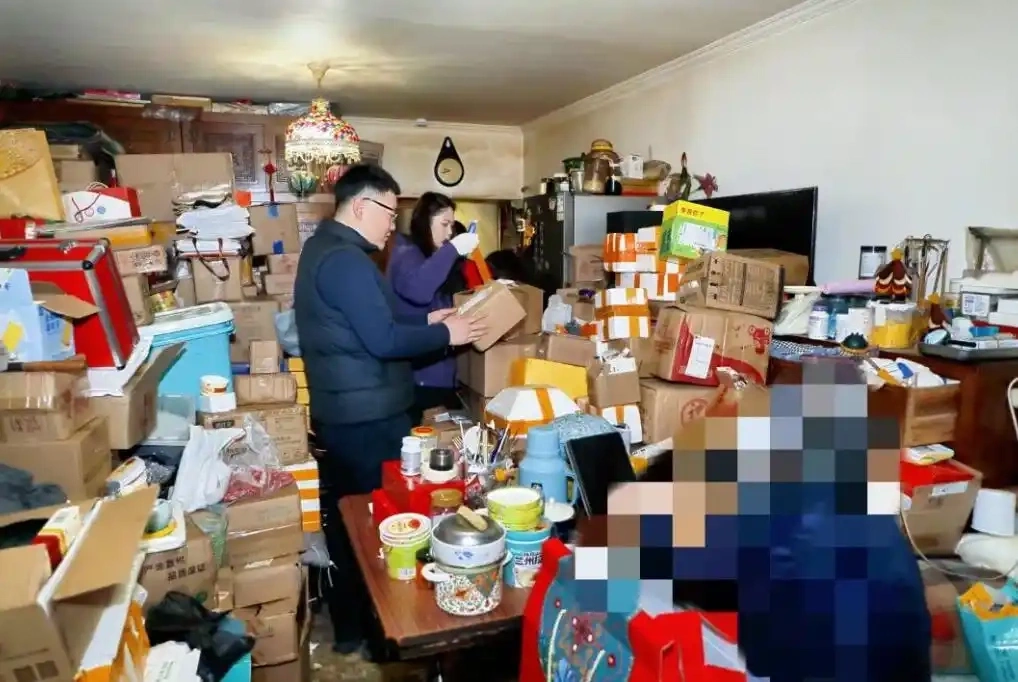 |
Thousands of unopened packages in ms. Liu’s home. Photo: QQ |
Thousands of unopened packages in ms. Liu’s home. Photo: QQ
Liu Tao, head of the Dongba fire station, explained that ms. Liu uses both a tablet and a mobile phone for continuous online shopping. These cardboard boxes are highly flammable materials and block emergency exits. They not only impede rescue efforts but also directly threaten the lives of surrounding residents in the event of a fire.
The residential management board and fire department spent several days attempting to persuade her at home. Initially, ms. Liu scolded and turned them away. Authorities, along with her grandson who does not live with her, patiently reasoned with her, explaining the risks. Finally, when officials pledged to only discard damaged and expired items, she agreed to open the door.
On the morning of 25/3, a team of 30 firefighters entered the apartment. Officials carried and opened each package. For items ms. Liu was reluctant to part with, they provided her with reading glasses to inspect them herself, then packed and stored them neatly.
After 12 continuous hours of work, the cleanup crew removed over 10 truckloads of trash, restoring a clear living space for the family. Firefighters then re-examined the electrical wiring, replaced old cables, checked gas pipelines, and instructed the homeowner on how to use self-rescue equipment.
"The hoarding behavior of the elderly is a psychological and social issue, requiring understanding and joint efforts from the community to resolve", Liu Tao emphasized. A representative from the fire department indicated that the local authority will establish a mechanism for regular safety reviews and provide in-home support for vulnerable groups.
According to experts at the Shanghai mental health center, ms. Liu’s actions are a manifestation of hoarding disorder in the elderly. This condition often emerges or worsens after significant emotional shocks, particularly the sudden death of a loved one, feelings of loneliness, insecurity, and a loss of control in life. Patients believe all objects possess value, and discarding them causes them distress. The prevalence of this disorder among the elderly is approximately 6%.
Doctor Yan Feng warns that if an elderly person suddenly begins hoarding accompanied by signs of memory loss, families should consider the possibility of Alzheimer’s disease or other forms of dementia.
Many studies also indicate that at least one-half of hoarding patients also experience depression or anxiety.
Bao Nhien (According to Beijing Daily)