Amy Kant, 65, lives in suburban Boston, is single and has no children. Ten years ago, she wanted to establish a legal power of attorney but has not yet found a suitable person. Choosing a representative for financial decisions is just one of many challenges that arise with old age. Currently, Kant must manage her own healthcare, estate planning, and housing arrangements. "Everything falls on my shoulders", she said.
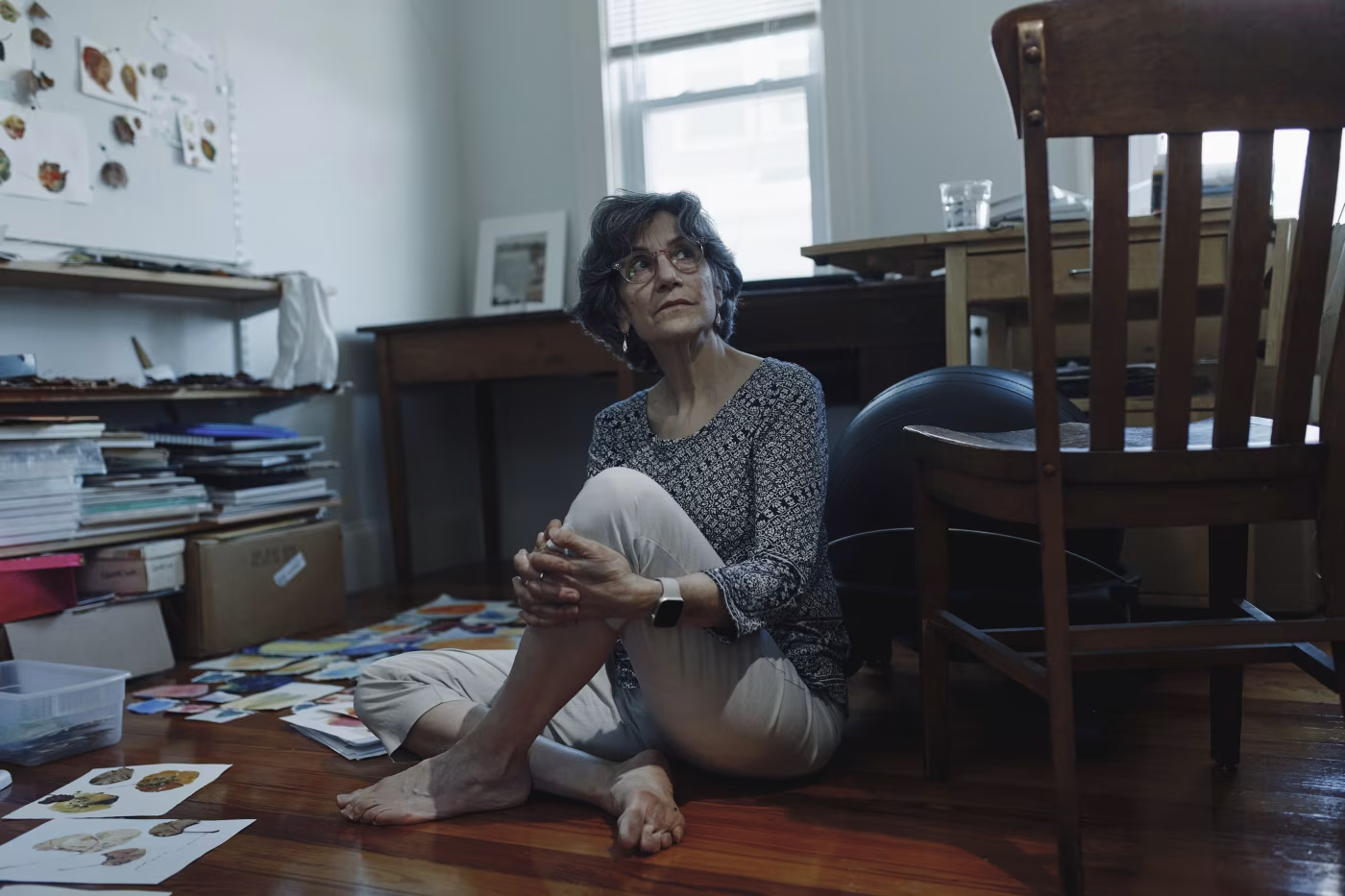 |
Amy Kant, 65, at her home in Boston. *Photo: WSJ* |
Kant is one of millions of Americans confronting old age alone. Analysis of census data by the AARP retirement organization reveals that about 10% of the over 125 million adults aged 50 and older in the US do not have a spouse or children. This number rises when including those with children living far from home. Over 16 million Americans aged 65 and older currently live alone, a figure three times higher than in 1950. Increased life expectancy, high divorce rates, and children living away from parents contribute to this growing trend.
Living alone, while offering independence, poses significant risks as health declines. Doctor Suzanne Salamon, head of clinical geriatrics at Beth Israel Deaconess Medical Center, recounted caring for a patient nearly 90 years old who lived alone with no relatives. Concerned for the patient's safety, Doctor Salamon had to ask a local senior support center for regular assistance. "It's a huge concern because many people are living alone without any connection to the world", Salamon said. Older adults might maintain poor eating habits, forget to turn off the stove, or fall and break a bone unnoticed.
Despite having retirement savings, Kant worries her assets will diminish if the stock market fluctuates, while costs for moving into assisted living facilities can reach tens of thousands of USD. Many seniors, however, are unprepared for the future. An AARP survey in 2023 of nearly 1,100 isolated elderly found that 80% lacked long-term living support plans. Only 25% had someone to help with household chores when needed, and 41% had a will or medical directives.
When illness strikes, these individuals often rely on siblings, neighbors, or community organizations. However, the demand for care is exceeding the system's capacity. In southwest Virginia, the nonprofit Mountain Empire serves about 3,000 people aged 60 and older. Executive Director Michael Wampler stated that current funding does not keep pace with costs. The organization consistently has a long waiting list for home helpers. "There are older adults in the area whom no one can serve", Wampler said.
The staffing shortage directly affects individuals like Johnny Mumpower, who suffers from kidney disease and must self-dialyze at night. Despite receiving meal deliveries, she remains on a waiting list for a home helper. "It's hard to push a vacuum cleaner while using a walker", she recounted. Her only blood relative lives a 4-hour drive away. Verna Gilbert, 84, cared for her mother and her husband, who passed away nearly 20 years ago. Living in her home for 60 years, she does not want to leave. Frozen meals delivered by Mountain Empire staff help her maintain basic daily life.
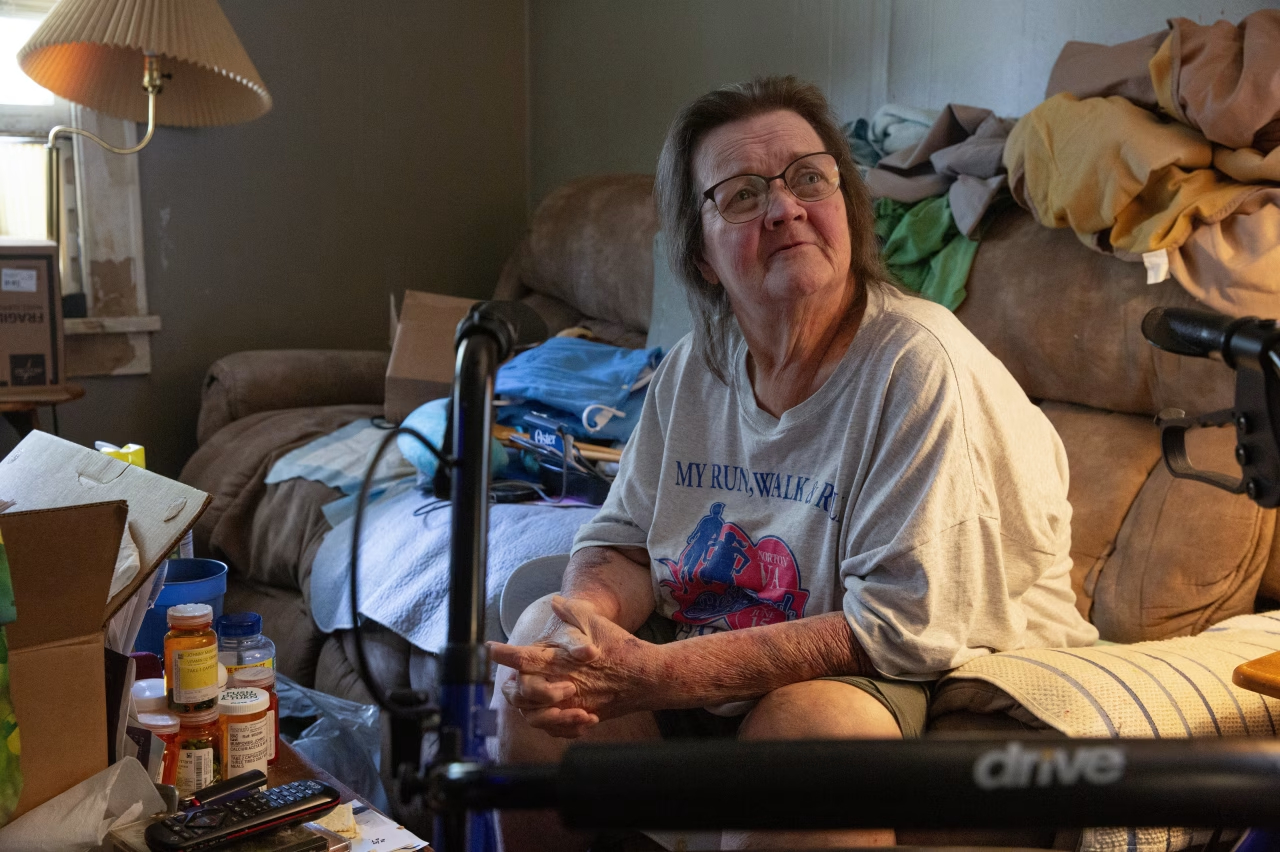 |
Johnny Mumpower, a retired doctor undergoing dialysis for kidney disease, lives alone in southwest Virginia. *Photo: WSJ* |
Returning to Amy Kant, after periods of illness, she realized her apartment with stairs was no longer safe and is exploring retirement communities for those over 55. Kant has asked a college friend to be her medical representative and has compiled a list of friends to arrange visits during illness. She set herself a one-year deadline to complete estate documents, including preparing a will and working with trusts to avoid future disputes.